

 Miss Kanishka
At one time, a student’s first response was to go to a teacher, make a written statement or ask questions of the administration. A grievance can turn into a campus confrontation, a viral reel and a nationwide debate before all the facts are known today.
But is this an age of complainers or has the education system failed to teach students that their voice can be heard through meaningful channels of redress? Or did the system itself forget what it must do?
When is a Protest the First Resort?
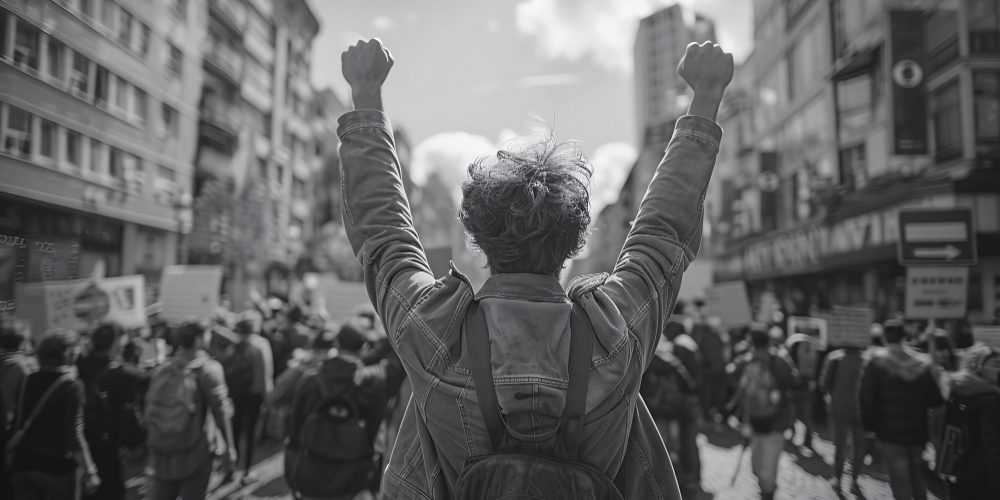
The student protests in India over the controversy of exams, alleged paper leaks, and institutional accountability, bring up uncomfortable questions of trust. The young people prepare for years to take competitive exams. If they suspect that they are losing valuable time, money and opportunities due to suspected irregularities, it may not be sufficient to ask them to be calm and wait for answers.
But anger does not make truth. Not all allegations that go viral are substantiated and not all administrative shortcomings are deliberate misconduct. A noisy mob does not necessarily reflect the views of all students.
The Viral Reel Has Changed the Protest
A protest is happening in two locations: physically and virtually on social media. Incidents of violence, tear gas, detentions and alleged police brutality can be captured on video and made public. For example, Human Rights Watch has reported on issues of violence towards protesters in India. However, specific incidents need to be confirmed before conclusions are drawn.
The incentives of protest have been altered by social media. A complex issue can be boiled down to a couple of seconds of video, and emotion spreads faster than context. The conflict sometimes becomes an issue, and the initial grievance is forgotten.
Anger is Not the Problem, What Comes Next Is
Students have every right to demand answers, call for action and hold institutions accountable. Peaceful protest does not necessarily mean that communication has failed. In some cases, it is essential because of the failure of conventional channels.
Intimidation, vandalism, threats and physical violence, however, cannot be justified because a cause is popular and has public sympathy. Similarly, it is not acceptable for the authorities to ignore legitimate grievances or to use excessive force to quell dissent. There is no selective morality, whether the power is in the hands of the good guys or the bad guys.
The real question is not why students appear to be protesting over everything, it is why so many grievances escalate before meaningful dialogue can take place.
Students should not be forced to make a grievance go viral in order to get a fair hearing. And institutions should not be permitted to shrug off a valid grievance simply because it comes at a time when the public is angry.
It is our duty to not forget that a good democracy requires courage to protest and willingness to listen. If there is no first, there is no second. If there is no second, then every disagreement can turn into another confrontation.






Add comment