

 Miss Kanishka
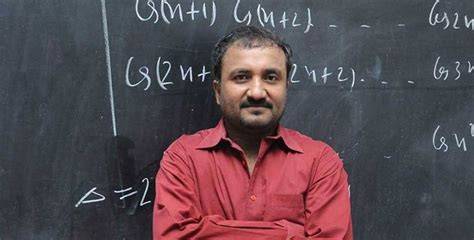
Super 30 founder Anand Kumar criticizes the idea of using AI to generate NEET UG question paper at the last minute, claiming that computer-based exams would be a hurdle for poor and rural students.
He has criticized Infosys co-founder Nandan Nilekani’s idea of using artificial intelligence (AI) and computer-based tests to avoid question paper leaks in competitive exams like NEET UG.
Anand Kumar stated on X that reforms in exams should make them more secure without creating hurdles for poor and rural students to appear for exams like NEET. He highlighted the issue of students not having access to computers and the infrastructural disparity in exam centres and questioned the accuracy of AI-generated questions.
Why Anand Kumar Criticized the Idea of AI-Based NEET Exams
Anand Kumar stated that many talented students from villages and economically disadvantaged families do not have widespread access to computers and adopting computer-based exams without making provisions for them would put them at a disadvantage.
He also questioned whether exam centres in remote areas would have the same infrastructure and security as those in urban areas. Furthermore, Kumar stated that there is a possibility of errors in questions generated by AI from a large question-bank, which could impact students’ scores and opportunities.
However, Kumar clarified that he does not oppose the idea of using AI in exams. He stated that using AI to generate question papers for experts to review is a good idea, but human expertise must be used to ensure questions are error-free and appropriate.
What Is Nandan Nilekani’s Proposal to Avoid NEET Paper Leaks?
Nilekani has proposed developing question papers at the last minute using a large question-bank to avoid leaks by ensuring that no single paper is prepared well in advance. He has also proposed expanding computer-based exams to ensure that students take exams on computers while also improving the security of India’s competitive exams.
Can AI Make NEET UG Exams More Secure?
Nilekani’s proposal has drawn attention to two key issues in the context of exams like NEET – paper security and equal opportunity. Generating papers at the last minute can make it harder for malpractitioners to target a specific paper, but the process must be accompanied by stringent security and review measures to ensure that no errors occur.
The concerns raised by Kumar also draw attention to the need to address the digital divide and ensure that students from rural areas and those from low-income families have access to computers and take exams in centres that meet standard security and infrastructure requirements.
As reforms in NEET exams continue, the focus should be on making exams secure while also ensuring equality of opportunity so that students are judged on their knowledge and skills rather than their socio-economic background.





Add comment