

 Nibeditaa Speaks
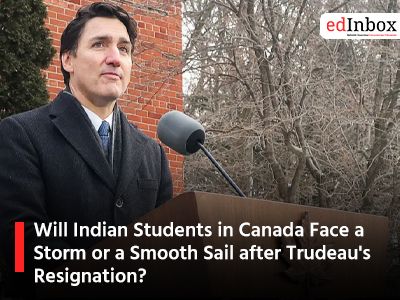
The unexpected resignation of Canadian Prime Minister Justin Trudeau has left many international students, especially those from India, pondering what the future holds for them in Canada. While the resignation has sent ripples through the political landscape, it is important to remember that Canada’s immigration policies are unlikely to change abruptly in the immediate future. With the Canadian Parliament now prorogued until March 24, no new legislation can be passed during this period, which includes any changes to the country’s immigration laws.
For Indian students, who represent a significant portion of the international student population in Canada, there is understandably some anxiety about the potential for changes under new leadership. Speculation is inevitable, especially with ongoing discussions about reforming the Express Entry system. If additional points for job offers are eliminated, as some reports suggest, it could impact the chances of Indian students gaining entry through this highly competitive pathway. However, experts caution that it is too early to predict the specifics of any policy changes, and it is crucial not to jump to conclusions without clearer information.
Another growing concern is the rise of anti-immigrant sentiment, which has been observed in various countries as global migration trends continue to shift. While this is an issue that requires attention, Canada’s reputation as a stable democracy committed to inclusivity and protecting the rights of immigrants provides some assurance. For all the uncertainty surrounding the political transition, the core values that have made Canada a popular destination for international students remain intact.
In recent months, Canada has already introduced several significant changes that have affected Indian students. The cap on international students, for instance, has led to a 35% decrease in the approval rate for study permits, making it more difficult for aspiring students to secure a place. In addition, changes to work hour regulations, which now allow international students to work 24 hours per week during term time, have had both positive and negative implications for students trying to balance their academic and financial needs. The new language proficiency requirements for the Post-Graduation Work Permit Program (PGWP) are also noteworthy, as they pose additional challenges for students relying on this program for post-study opportunities.
As Canada prepares for a transition in leadership, Indian students must remain vigilant. While the political shift may bring about future policy changes, the best course of action is to continue with the application process as usual. Students should stay informed by regularly checking for updates from official sources and consulting immigration professionals for guidance. Now more than ever, the key is staying prepared for the evolving landscape and ensuring that plans for study and work in Canada remain on track.


 Miss Kanishka



Add comment