

 Miss Kanishka
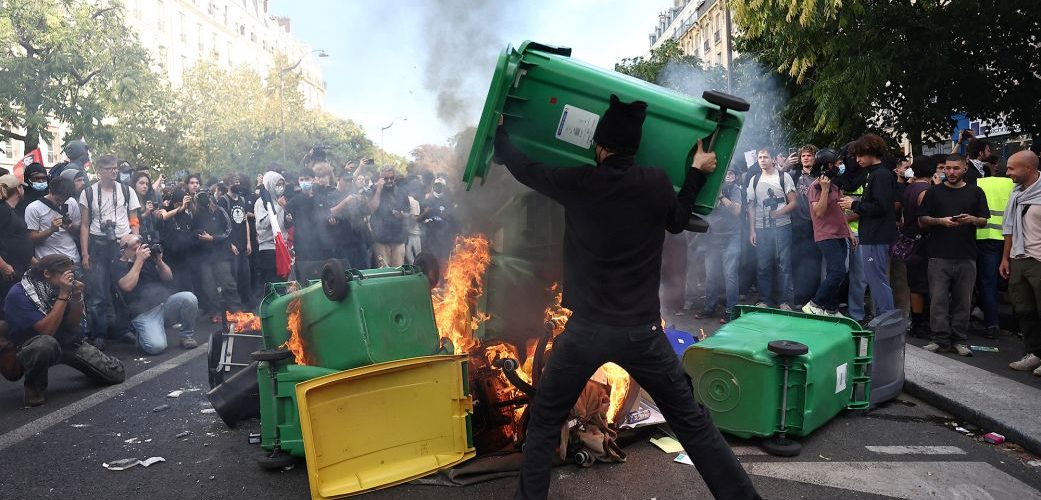
Students in France have been protesting against the lack of teachers, overcrowded classrooms, the condition of the school buildings, and worries about university admissions. The protests started in the Paris suburbs in September 2026 and soon spread across the country. The movement has also spread to include broader issues of living costs and public services, and is now supported by teachers, parents and trade unions.
What is the reason behind the students’ protests in France?
One of the main reasons behind the protests is the shortage of teachers. Students said that classes are frequently missed when teachers are absent and substitutes are not available. This results in some students not being able to understand their subjects and prepare for exams. They are demanding more teachers and improved support for schools.
Another significant issue is the condition of the schools. Students have complained about the old buildings, overcrowded classrooms and poor facilities. During the summer, some classrooms get very hot and pupils have trouble concentrating. Protestors demand improved school facilities, more room for learning and better maintained school buildings.
Long school days and heavy timetables are also a concern of students. They claim that their busy schedules make them tired and less time for rest, independent study and family life. These worries have compounded their dissatisfaction with the quality of education they receive.
Another issue is Parcoursup, France’s online platform for applying to higher education. Some students feel that the admission process is stressful and uncertain for them. Limited university places have also led to questions regarding the equality of opportunity for young people from different backgrounds to access higher education.
How have the protests spread throughout France?
The protests started in the Paris suburbs in September and quickly spread to other French cities. Students staged marches and school blockades, teachers, parents and trade unions voiced support for an improved learning environment.
Although many demonstrations have been peaceful, some have resulted in clashes with police, arrests and damage to property. The police’s response has also been a matter of concern, with protesters saying the government should listen to their grievances instead of resorting to force.
The movement has highlighted the issue of educational inequality, especially in disadvantaged communities where schools are struggling with significant staffing and infrastructure issues. Students say they should not be able to determine their success by their family’s income or where they live.
Is the issue of education the only issue in the Protests?
No. The protests have become tied to broader public concerns, such as the cost of living, wages, and government spending, while the schools continue to be at the heart of the student movement.
Other groups, such as trade unions, have participated in the demonstrations with their own demands. This does not imply that all participants are protesting for the same reason. But the dissatisfaction with public services and the cost of living has helped to widen the movement beyond schools.
What did the French Government Do?
The protests have brought pressure to bear on the government to improve school conditions and to tackle teacher shortages. The government announced in October that it would take steps to increase the number of substitute teachers and enhance school facilities and schedules. It also pledged to make the Parcoursup admissions process more transparent.
But students and unions have remained skeptical that the measures will be sufficient to address longstanding issues. Sustained action will be needed to improve school buildings, to fill teaching vacancies and to reduce inequality.
What Are Students Demand in France?
The primary demands are for more teachers, improved school facilities, reduced overcrowding, more manageable timetables and a fairer pathway to higher education. Pupils also want schools to have the means to deliver a high quality education for all.
The protests in France started with issues related to school life but have expanded to a broader discussion of inequality in education and the future of youth. Students are demanding improved learning environments and a level playing field for success, while the government is being pushed to deliver on its promises and make a lasting difference.






Add comment