

 Nibeditaa Speaks
The three-day conclave in Hyderabad brought together 72 students and 18 teachers from 18 regions to discuss academic stress, digital well-being, substance abuse and the need for emotionally supportive schools.
How can schools become safer spaces for students to talk about anxiety, academic pressure, emotional distress and other mental health concerns? The Council for the Indian School Certificate Examinations (CISCE) sought answers to this question at its first National Student Mental Health and Well-Being Conclave 2026, placing students at the centre of conversations about their own emotional well-being.
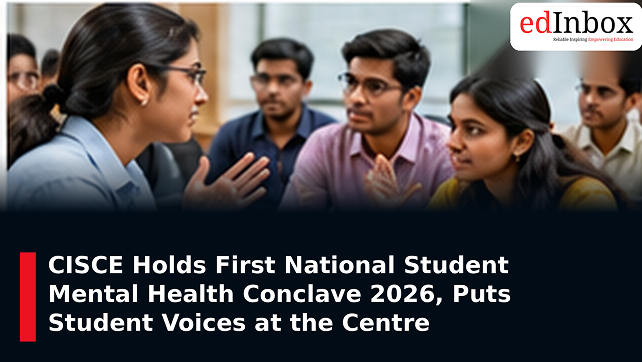
Held from November 20 to 22 at the CISCE Centre of Excellence in Hyderabad, the three-day national conclave brought together 72 student delegates and 18 teacher delegates representing 18 regions across India. Rather than following the format of a conventional academic conference, the initiative gave students an opportunity to share personal experiences, identify challenges within school environments and contribute to recommendations for improving mental health support.
The conclave marked the culmination of a three-tier consultation programme that began with school-level discussions, followed by virtual regional conclaves. Through this wider initiative, CISCE aimed to reach nearly 16 lakh students from Classes VI to XII, more than 32,000 teachers and over 3,300 affiliated schools.
Four key areas of discussion
The discussions focused on four major areas affecting the mental health and everyday experiences of adolescents.
These included academic stress and performance-related pressures; emotional well-being, digital life and positive relationships; substance abuse, drugs and healthy decision-making; and the importance of resilience and help-seeking behaviour.
The themes reflected the growing need for schools to look beyond academic performance and recognise the emotional and social challenges students encounter while growing up.
The programme featured thematic discussions, expert-led sessions, collaborative workshops and a panel discussion. Professionals from academia, industry and clinical practice moderated the conversations, allowing students and teachers to engage with different perspectives on adolescent mental health.
Four key outcomes planned
CISCE intends to translate the discussions into four major institutional outcomes: a CISCE Student Mental Health Charter, a Student Well-being Index, a Repository of Best Practices and a White Paper on Emerging Mental Health Concerns among Adolescents.
These proposed resources are expected to document student perspectives, identify emerging concerns and highlight approaches that schools can adopt to strengthen their mental health support systems.
By bringing student experiences into a national consultation process, the conclave also highlighted an important aspect of school mental health initiatives: students should not merely be recipients of support but active participants in shaping the environments in which they learn and grow.
The initiative signals CISCE’s effort to encourage a more inclusive approach to student well-being, where emotional health, positive relationships and the confidence to seek help receive attention alongside academic achievement.






Add comment