

 Nibeditaa Speaks
Part 5.
The reception of disinformation varies across cultures and is influenced by historical context, media literacy levels, and societal norms. Understanding the mechanisms behind its spread and addressing the cultural nuances that shape its reception, international cooperation, and information sharing are essential for identifying and mitigating the impact of cross-border disinformation campaigns.
How Disinformation is Crossing Borders and Cultures
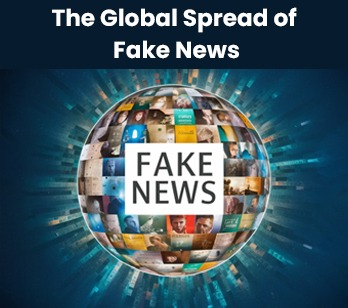
The global spread of disinformation poses significant challenges to society and democracy. By eroding trust in institutions, fueling polarisation, and promoting conspiracy theories, fake news undermines the foundations of democratic governance and public discourse. In regions where disinformation campaigns coincide with political unrest or humanitarian crises, the consequences can be particularly dire, exacerbating social tensions and impeding efforts to address pressing issues.
The reception of disinformation varies across cultures and is influenced by historical context, media literacy levels, and societal norms. In some regions, where trust in traditional media is low or access to independent news sources is limited, false narratives may gain more excellent traction among the population. Cultural beliefs and political ideologies also shape individuals’ perceptions of truth, making them more susceptible to manipulation by misleading information that aligns with their preconceived notions.
Malicious actors, including state-sponsored operatives, political organisations, and extremist groups, actively exploit digital channels to propagate disinformation on a global scale. These actors leverage sophisticated tactics, such as coordinated bot networks and fake accounts, to amplify their messages and target vulnerable populations. By exploiting existing social divisions and cultural tensions, they seek to sow discord, undermine democratic processes, and advance their agendas across borders.
The spread of disinformation presents a complex and evolving challenge that requires collective action worldwide. Understanding the mechanisms behind its spread and addressing the cultural nuances that shape its reception, international cooperation, and information sharing are essential for identifying and mitigating the impact of cross-border disinformation campaigns.
The Importance of Combating Fake News
Researchers, fact-checkers, and tech companies must develop innovative solutions to combat the rapid evolution of fake news. This includes investing in AI-powered fact-checking tools that quickly identify and debunk false information. Social media platforms must implement robust regulations to prevent the spread of fake news, such as better detecting bots and fake accounts.
Addressing these topics with accuracy and integrity is crucial in 2024 as the world faces complex challenges. Media literacy, fact-checking, and responsible journalism are essential tools in combating the spread of fake news and ensuring that the public remains well-informed and capable of making decisions based on reliable information.
Promoting media literacy education is also crucial. People need to learn how to critically evaluate the information they encounter online. Schools, community groups, and governments can help by teaching media literacy skills, showing people how to spot fake news and encouraging them to verify sources before sharing information.
The fight against fake news is a collective effort. Everyone, from tech companies to individual users, must stay vigilant and committed to the truth. By working together, we can ensure that accuracy and trust remain the foundation of our digital landscape.


 Miss Kanishka



Add comment