

 Nibeditaa Speaks
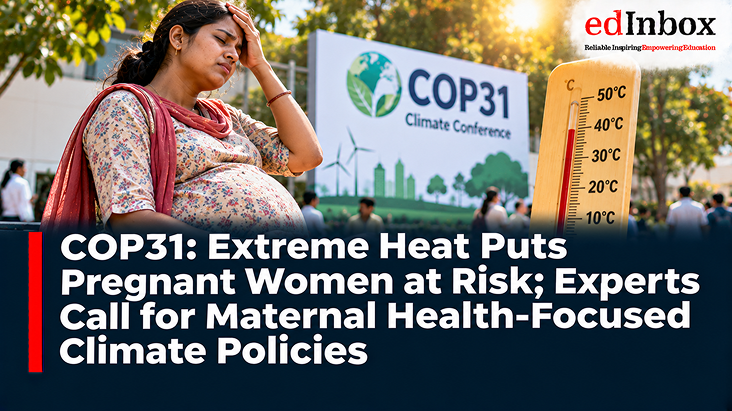
Experts warn that rising temperatures could increase pregnancy complications, premature births and stillbirths, urging governments to integrate maternal healthcare into climate adaptation plans.
As extreme heat becomes an increasingly serious public health challenge, experts at the 31st United Nations Climate Change Conference (COP31) have called for urgent measures to protect pregnant women and newborns from rising temperatures. They have urged governments to recognise maternal health as a priority in climate adaptation policies, warning that existing heat action plans often overlook the specific vulnerabilities of women during pregnancy.
Health experts cautioned that prolonged exposure to extreme heat during pregnancy can increase the risk of complications, including premature births, stillbirths and adverse newborn health outcomes. The concerns have brought renewed attention to the need for stronger healthcare preparedness as countries face more frequent and intense heatwaves.
Healthcare systems need targeted heat protection measures
Alan Dangour, Director of Climate and Health at the Wellcome Trust, emphasised that pregnant women must be recognised as a high-risk population during extreme heat events.
He called for three key interventions: identifying pregnant women as a vulnerable group in heatwave preparedness plans, developing clinical guidelines for healthcare professionals, and strengthening health systems to identify and support women exposed to dangerous temperatures.
The experts also highlighted the limited investment in climate-related healthcare. According to figures discussed at the conference, only around one per cent of formal climate finance under the UN climate financial mechanism is directed towards healthcare.
This funding gap raises concerns about whether health systems have sufficient resources to prepare for the growing impact of climate change on vulnerable populations.
Heat and air pollution create additional health concerns
Former World Health Organization (WHO) chief scientist Soumya Swaminathan highlighted the combined risks of extreme heat and air pollution, particularly in countries such as India, where both environmental challenges frequently overlap.
She stressed the importance of integrating climate and health data to understand the impact of environmental exposure on maternal and child health.
India’s existing maternal and child healthcare programmes, she suggested, should incorporate heat exposure assessments and preventive interventions to protect pregnant women and newborns.
First 1,000 days of life need greater attention
The first 1,000 days, beginning with conception and continuing until a child’s second birthday, are considered a critical period for physical and cognitive development.
Youssef Nassef, Director of the Adaptation Programme at UN Climate Change, highlighted the importance of protecting mothers and children during this period from environmental stressors.
The discussion also brought attention to women working in physically demanding and outdoor occupations. Bhavreen Kandhari, co-founder of the Warrior Moms movement, pointed out that pregnant women employed in construction, agriculture and daily-wage work often cannot avoid exposure to extreme temperatures because of financial constraints.
For these women, staying indoors during heatwaves is not always a practical option. This makes workplace protection, access to drinking water, shaded rest areas and appropriate healthcare support particularly important.
Why climate adaptation must include maternal healthcare
The discussions at COP31 underline a growing public health concern: climate change is not affecting all populations equally. Pregnant women, newborns and young children face distinct health risks that require specific preventive measures.
Experts believe governments must move beyond general heatwave advisories and incorporate maternal health protection into climate action strategies.
Strengthening antenatal care, training frontline healthcare workers, improving heat-health surveillance and protecting outdoor workers could help reduce the health consequences of rising temperatures.
As heatwaves become more frequent and intense, safeguarding maternal and newborn health will need to become an essential part of climate resilience planning.


 Miss Kanishka



Add comment