AIACAT
St. Marys agriculture education instructors report to Elk Co. Farm Bureau
St. Marys Area High School agricultural education instructors Gage McCabe and Kyle Anstrom, along with five of the 97 students enrolled in the inaugural class, were the guests of the Elk County Farm Bureau at their annual banquet and meeting last month at Gunners in St. Marys.
Anstrom spoke to the group about thanking the Elk County Farm Bureau for the sponsorship to attend Penn State's Agriculture Institute last summer. He stated that it was a wonderful opportunity for him as a new agriculture education teacher to attend the six-day teacher professional development program for kindergarten through 12th-grade educators that are interested in adding agriculture education to their curriculum.
Anstrom explained that the participants live on campus and are immersed in agriculture by taking part in labs instructed by professors at the university, as well as by going on excursions to local family operated farms and several wineries. He believed that having the ability to build relationships with teachers throughout the state was most valuable, as was the ability to speak one-on-one with the President of the Pennsylvania Farm Bureau Chris Hoffman, and Chris Davis, Executive Director of the Commission for Agriculture Education Excellence.
He talked about building a riparian buffer using materials in a hands-on lab experiment, and then the instructor took the students to one that was under construction near by.
He defined a riparian buffer as a vegetation zone along a watercourse that has been seeded with native grasses and trees to maintain the watercourse as free of trash between cities and farms, and to stabilize against erosion.
Anstrom told how he applied what he learned at the Penn State Agriculture Institute to take his agriculture education students through the construction of a riparian buffer by borrowing a stream table from the Elk County Conservation District. He explained how his students printed out some 3D objects and did some CAD designing to construct items such as gabion baskets and various pipes and stream crossings.
Anstrom also reported going to a hemp-fed bison farm and being suitably dressed to tour Penn State's Poultry Farm, and getting to see the Center for Dairy of Excellence, including an arboretum tour, which he called wonderful.
He finished by remarking that he hopes to be able to go to Agriculture Institute 2.0 for repeat attendees next summer.
Other teacher Gage McCabe at the high school's Future Farmers of America (FFA) or agriculture education program, said the program is at wide-open throttle with all that is happening. "We have Kyle (Anstrom) teaching the small gas engines and a lot of the agricultural mechanics are nearby, and then I am teaching the plant and animal science part.".
We have the greenhouse being built and it's to be finished on Sept. 29. My students and I are just thrilled about that. We are well into a beef production unit, where students are learning everything about beef cattle and how they are raised and processed. Then we're going to go into dairy cattle, and sheep and goats.". We have five of our students that expressed a desire to come and join us here this evening, and we wanted you to know that we value all of your support.
He went on, "We have 97 members this year with six different classes in our agriculture education program. It has been a privilege to work with our students who are super excited about everything."
Then a student, Isaac Perlick, stood up and requested to be heard. He stated, "I'm the new Sentinel from the FFA program. I had to drop a couple of my classes to be able to take ag ed, and in my book, that's been the best decision I have ever made in my life. Well, not life, but in this junior year of school! And Mr. Anstrom and Mr. McCabe have just improved daily. In this program I see a brighter future, and it has even improved since the start of the year. There's more organization to everything. I do wish these two teachers the best of everything in their lives. I hope this program goes as far as possible.
Maharashtra to Make Agriculture a Subject up to Class 10 from 2025-26
In a first-ever attempt to get the children connected again with farming and sustainability, the Maharashtra government has decided to make agriculture a school subject up to Class 10 in a phased manner from the 2025-26 academic year.
The State Curriculum Framework 2024 and the National Education Policy 2020 both state that the program's goal is to close the knowledge gap between new innovations and old agricultural expertise. The curriculum is being developed in collaboration with the School Education Department and the State Council of Educational Research and Training (SCERT).
For Classes 1 to 5, students will study basics of plants, animals, local produce, water, soil, and exposure to creative innovation. For Classes 6 to 10, syllabus will extend beyond this to include kitchen gardening, organic farming, millet farming, food processing, exploitation of bamboo, poultry management, water auditing, and maintaining biodiversity registers.
Current agricultural practices are being integrated as well, including use of AI in agriculture, agri-tourism, smokeless cooking, and sustainable farming, thus exposing students to traditional as well as fussy new methods.
The main objectives of the program are to:
-
Encourage early exposure to agriculture among school-going kids.
-
Bridge the difference between traditional practices and new-age developments in agriculture.
-
Put forth agriculture as a viable career path, supporting India's food security and sustainability initiative.
The government also guaranteed improvement in teacher training courses and practice facilities to facilitate successful implementation. The authorities believe that with this program, students' awareness of agriculture will not only be enhanced but also vocational abilities and career-based knowledge imparted to them so agriculture would be a desirable and relevant subject to the generation to come.
Education officials have approved the step, citing that exposing children to agricultural ideas at an early age can promote responsibility, creativity, and respect for sustainable methods among children.
Central Government Hikes MSP to Boost Farmers’ Income and Support Sustainable Agriculture
The Government of India has taken a significant step to help farmers by declaring that the Minimum Support Price (MSP) of the major crops will be increased in the next marketing season. This measure is expected to ensure farmers a reasonable price on their produce, gain more income, and decrease the risk factors related to the process of farming.
The hike in MSP, applicable to major rabi crops such as wheat, barley, gram, lentil, rapeseed, mustard, and safflower, reflects the government’s commitment to making agriculture more profitable and sustainable for millions of farmers across the country. For instance, MSP of wheat has increased by 160 per quintal and has reached 2,585 per quintal in the 2026-27 marketing season. This means the profit margin is over 100% (above the estimated production cost), offering solid assurance to wheat farmers.
Notably, not just wheat, crops like safflower have also seen the highest absolute increase of ₹600 per quintal, while pulses like lentil and gram have also seen meaningful hikes. Government data estimates that this MSP revision will channel approximately ₹84,000 crore directly to farmers, providing vital financial support ahead of the sowing season.
The MSP offers a safety net to farmers by ensuring that their crops command minimum prices to shield them against any price variations in the market. This policy also promotes crop diversification, i.e. growing oilseeds and pulses, which are important in nutritional security and minimising reliance on imports.
The initiative ties in with the larger “Mission for Aatmanirbharta in Pulses,” a government program focused on boosting domestic production of pulses, enhancing farmers’ access to quality seeds, and increasing supply chain efficiencies.
This MSP increase by the central government is timely, given that the agricultural risks like changing input prices and climate uncertainties that are currently increasing. The government is looking forward to empowering the farmers by promising remunerative prices that will boost rural incomes and bring about a sustainable agricultural economy, which will promote more self-reliance in farmers.
This price support is likely to benefit farmers in most of the major growing states such as Punjab, Haryana, Maharashtra, Karnataka, Andhra Pradesh and Rajasthan as they plan to head into the next crop cycle.
The policy is a timely and considerate move by the government that highlights the emphasis on farmers as essential food market players and rural development stakeholders of India.
For official updates on agriculture and MSP notification, check the official governmental channels of the Ministry of Agriculture.
Appointment of 500 Agriculture Lecturer Posts, Check Online Application and Examination Details Here
RPSC Recruitment 2025: 3rd October is the last date for the Rajasthan Public Service Commission (RPSC) Agriculture School Lecturer Recruitment 2025. 500 empty posts will be recruited through this recruitment.
The candidates must not be less than 21 years and greater than 40 years as on 1.1.2026. Age relaxation will be granted to reserved category candidates in line with permissible rules. Educational qualification is as follows:
A four-year B.Sc. or post-graduate in an allied subject with B.Ed.
Apart from this, candidates should have a command of Hindi language in Devanagari script and familiarity with Rajasthani culture.
RPSC Recruitment 2025: Selection Process and Salary
Shortlisted candidates will be selected on the basis of a competitive exam. Shortlisted candidates will be paid as per Pay Matrix Level L-12 (Grade Pay ₹4800/-).
RPSC Recruitment 2025: How to Apply
-
Visit the official website of RPSC, recruitment.rajasthan.gov.in.
-
Click on the link "School Lecturer Registration 2025".
-
Register and post the application form.
-
Pay the online application fee and post the form.
-
Take a copy of the application to use in the future.
World Food India 2025: A Grand Showcase of FPO Empowerment and Pure Agricultural Advancement
World Food India 2025, an ongoing event scheduled from September 25 to 28 at Bharat Mandapam, New Delhi, has opened new and exciting opportunities for Farmer Producer Organisations (FPOs) across India. Bringing together 25 prominent FPOs from 12 states, this flagship event showcases the strength and diversity of India's agricultural produce, providing direct access to pure, organic and high-quality produce straight from the farmers themselves.
Visitors to the event can explore a rich variety of agri-products like organic honey, rice, garlic, spices, fresh fruits, and much more. The showcase focuses majorly on authenticity and farm-to-fork transparency, connecting consumers directly with the producers and promoting sustainable agriculture.
World Food India 2025 is more than a mere exhibition of pure agricultural excellence, but a vital
Platform that integrates farmers, producers, food processors, policymakers, and investors. The event, organised by the Ministry of Food Processing Industries, is an initiative to promote India's vision of becoming a global food processing hub, as part of a “Viksit Bharat 2047” vision. This ambitious initiative is to enhance rural prosperity, farmer income, reduce post-harvest losses and generate employment in Tier-2 and Tier-3 cities.
With participation from more than 90 countries, over 2000 exhibitors, and thousands of stakeholders representing the entire food chain, WFI is the biggest exhibition yet. The presence of international delegations together with state and private sector players fosters strategic partnerships, innovation and investment flows of the agriculture and food processing sector.
The event features a range of high-profile activities designed to foster collaboration and innovation. These include CEO roundtables where senior industry leaders and policymakers discuss strategies for expanding food processing, boosting exports, and creating quality jobs. Knowledge-sharing sessions provide insights into sustainable food technologies and emerging trends shaping the future of agriculture and food processing.
Additionally, extensive buyer-seller meets and business-to-government (B2G) as well as government-to-government (G2G) interactions facilitate partnerships, investment opportunities, and smooth project implementation across domestic and international stakeholders.
PM Narendra Modi inaugurated WFI 2025 highlighting the event’s importance and underscoring India’s unique agricultural strengths and its pivotal role in global food security.
For consumers, entrepreneurs, and investors alike,World Food India 2025 is a compelling invitation to witness and participate in India’s agricultural renaissance, led by its farmers and their offerings. The event promises nutritious and delicious consumables along with a sustainable path towards growth, innovation, and global competitiveness in food processing.
Big Relief for Farmers: GST on Agricultural Machinery Reduced to 5%
In a historic step, the government has reduced the GST on agricultural machinery to 5% from 12% and 18%, making this decision a source of farmers’ empowerment and agricultural productivity. This significant GST reduction is effective from today, 22nd September, 2025, making modern farming equipment more affordable, reducing the cost burden on farmers, and promoting mechanization across the country.
What are the changes?
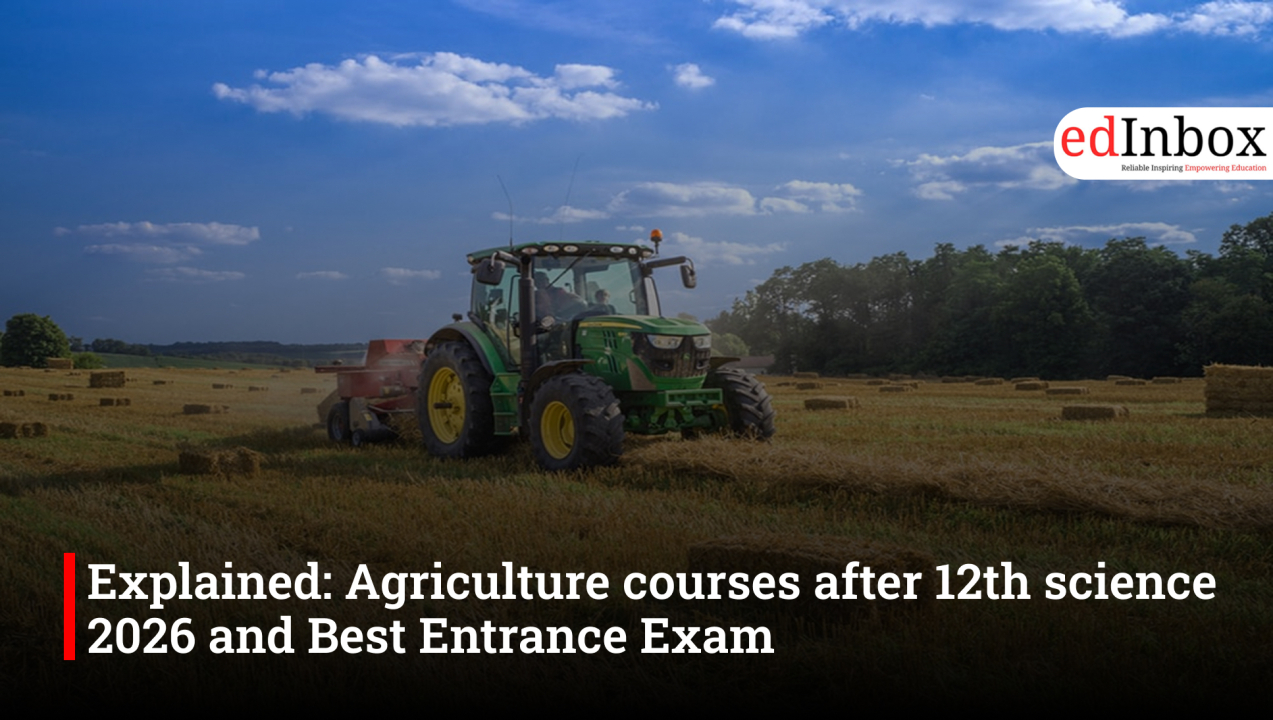
Tractors with engine capacities of up to 1800 cc, and a wide variety of farm equipment , including ploughs, cultivators, seeders, sprayers, harvesters, and their spares including tyres and tubes, now only attract 5% GST only. Previously, they were charged at 12% or 18%, which increased their retail prices and affected the financial capacity of most farmers to afford modern farm equipment.
The updated tax cuts are applicable to all the Indian states and union territories without any difference, meaning that the farmers of Punjab as well as in Tamil Nadu can enjoy equal benefits in terms of lower prices. As an illustration, a 4-row paddy transplanter will now be selling at a price discounted by approximately 15,400 less, and a 13-HP power tiller will be at a reduced cost of approximately 12,000 less. The reduced tax rate has even made the cost of tractor tires, which is constantly changing by farmers, to be cheaper.
Price reduction official list
- A 35 HP tractor will now be cheaper by ₹41,000
- A 45 HP tractor will now be cheaper by ₹45,000
- A 50 HP tractor will now be cheaper by ₹53,000
- A 75 HP tractor will now be cheaper by ₹63,000
- Seed-cum-fertiliser drill (11 tyne): cheaper by ₹3,220
- Trailer (5-tonne capacity): cheaper by ₹10,500
- Baler square (6 ft): cheaper by ₹93,750
- Mulcher (8 ft): cheaper by ₹11,562
- Seed-cum-fertiliser drill (13 tyne): cheaper by ₹4,375
- Harvester combine cutter bar (14 ft): cheaper by ₹1,87,500
- Straw reaper (5 ft): cheaper by ₹21,875
- Power weeder (7.5 HP): cheaper by ₹5,495
- Super seeder (8 ft): cheaper by ₹16,875
- Happy seeder (10 tyne): cheaper by ₹10,625
- Rotavator (6 ft): cheaper by ₹7,812
- BPneumatic planter (4-row): cheaper by ₹32,812
- Tractor-mounted sprayer (400-litre capacity): cheaper by ₹9,375
Why This Matters to Farmers
By decreasing the GST of farm machinery, it will decrease the initial cost incurred to purchase and maintain farm machinery. This savings of costs motivates farmers to replace traditional and labor intensive equipment with modern machines that will enhance efficiency, save time and boost crop production. To increase the productivity of farms and to boost the incomes of farmers, which is aligned to the vision of the government of doubling the Farmers Incomes and a sustainable agricultural future, mechanization comes in.
The government has also encouraged manufacturers and custom hiring centres to make certain that the tax benefit is clearly transferred to farmers through reduction of rental rates as well as reduction in the functions of intermediaries.
Government and Industry Response
A meeting was held with key agriculture machinery associations that the union Agriculture Minister Shri Shivraj Singh Chouhan chaired to discuss the implementation of the GST rate cuts smoothly. This step of the government is celebrated by the industry representatives who assured that they would assist in realizing maximum benefits to farmers throughout the country.
What does this mean for Indian Agriculture?
The standardized 5% GST rate on farm implements will transform agricultural practices by making the advanced equipment very accessible. Such fiscal relaxation will give the small and marginal farmers the capacity to use technology and modernise, lessen reliance on manual labour, and satisfy the increasing food demand in the country more effectively.
As affordable tractors, harvesters, and implements become available, Indian agriculture can look forward to a healthy transformation to mechanized, profitable, and sustainable agriculture - a new dawn of prosperity in the workhorse in the Indian economy.