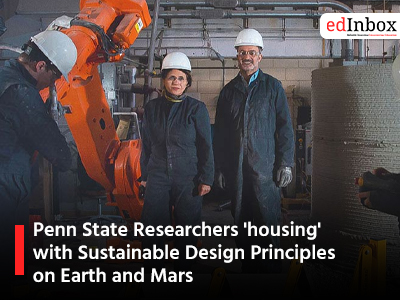
Penn State University researchers are pushing the boundaries of design education and sustainability through an ambitious project to create adaptable and eco-friendly habitats for Mars and Earth. In collaboration with NASA and industry partners, this cutting-edge initiative integrates advanced design techniques to address the challenges of extended living in extreme environments while influencing sustainable living practices on Earth.  

The project highlights the transformative potential of design in solving real-world challenges. At its core is a habitat featuring modular, inflatable, and 3D-printed elements that enable efficient transportation, assembly, and adaptability to the harsh Martian environment. The use of Martian regolith—native soil and rock—redefines sustainable construction by providing radiation shielding and eliminating the need for excessive resupply missions. These innovations reflect the principles of circular design, where local and renewable resources are optimized, minimizing environmental impact.  

The habitat’s design represents a significant milestone for educators and students in architecture and engineering. The project exemplifies experiential learning, where Penn State’s design students and researchers merge creativity with practical problem-solving. By tackling constraints such as extreme temperatures, limited resources, and radiation exposure, the team is exploring design solutions that prioritize resilience, functionality, and environmental stewardship.  

Notably, this initiative transcends its extraterrestrial goals by addressing sustainable housing challenges on Earth. Technologies and materials developed for the Martian habitat, such as 3D printing with regolith and energy-efficient systems, are being adapted to Earth’s housing context. This dual-purpose approach underlines the role of design in shaping sustainable futures, especially in regions prone to natural disasters or resource scarcity.  

The project is supported by NASA’s Planetary Science Division and the Penn State Institutes of Energy and the Environment, demonstrating the value of interdisciplinary collaboration. The partnership integrates expertise from fields such as material science, environmental engineering, and architecture, fostering a comprehensive approach to sustainable design education.  

Penn State’s work aligns with broader trends in design education that emphasize sustainability, adaptability, and global relevance. By addressing challenges both on Mars and Earth, the project inspires a new generation of designers to think innovatively and responsibly.  

This groundbreaking research not only supports humanity’s aspirations for space exploration but also provides a blueprint for creating resilient, self-sufficient living spaces in diverse environments, bridging the gap between science fiction and sustainable reality. 
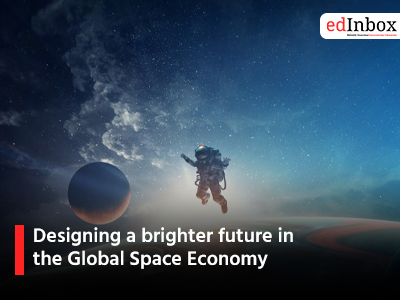
As the world grapples with the dual challenges of climate change and the pursuit of interstellar exploration, India is positioning itself at the forefront of the global space economy. Researchers have announced a design competition to build a spaceship that can sustain generations of humans through interstellar travel. The Union Cabinet’s recent approval of a ₹1,000 crore venture capital fund dedicated to the space sector signals India’s ambitious plans to become a global leader in space technology and exploration.  

In an exciting development, Project Hyperion has launched a groundbreaking competition to design a massive, self-sustaining spaceship capable of carrying generations of humans on long-term interstellar journeys. Open to the public, this hypothetical design challenge offers a $10,000 prize for the winning concept. The initiative, while futuristic, aims to fuel innovation and foster ideas that can address pressing challenges like climate change and inspire sustainable solutions for life on Earth.  

With robust support from IN-SPACe and the newly introduced VC fund, India’s space startups are making remarkable strides. These emerging companies are not only launching satellites and pioneering new technologies but also creating job opportunities that were inconceivable just a decade ago. The Indian space economy is on track to grow to $44 billion by 2033, driven by innovations in satellite technology, exploration missions, and commercial space ventures.  

The ₹1,000 crore VC fund is more than just a financial boost—it’s a confidence builder for India’s space sector. By attracting additional funding for later-stage developments and reassuring private investors, the fund addresses the capital-intensive nature of the industry. This multiplier effect ensures that startups have the resources to scale, innovate, and compete on a global level.  

Imagine a thriving ecosystem where Indian startups are at the cutting edge of technological advancements—launching satellites, delivering high-speed internet to remote corners of the country, and breaking barriers in space exploration. With sustained investment and visionary policies, India is not merely participating but leading the charge in the global space economy.  

India’s space journey is not just about exploring the cosmos; it’s about fostering innovation, driving economic growth, and finding solutions for Earth’s most pressing problems. The future of India’s space sector is bright, and the possibilities are infinite.  

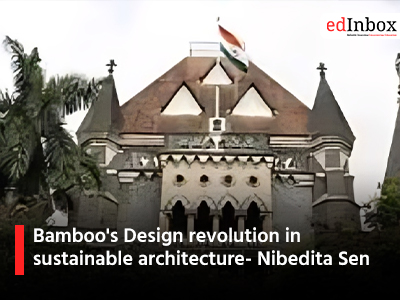
A revolution in sustainable construction is underway, with bamboo emerging as a key material in redefining eco-friendly architecture. Leading the charge is Bamboo House India, a social enterprise in Hyderabad, which has been championing bamboo's potential since 2006. Complementing these efforts, Singapore's green building initiatives are setting benchmarks for sustainable urban development, highlighting the global momentum toward environmentally conscious construction.  

Bamboo, a fast-growing and renewable resource, has proven to be a viable alternative to traditional timber. Its rapid growth, carbon-sequestering properties, and ability to thrive in diverse climates make it an environmentally friendly building material. According to Bamboo House India, bamboo emits 35% more oxygen and absorbs 40% more carbon dioxide than trees, making it a vital tool in combating deforestation and climate change.  

Founded by Prashant and Aruna Lingam, Bamboo House India designs eco-friendly structures ranging from homes to community spaces. Their work not only reduces carbon footprints but also empowers local artisans by providing employment and training, thereby fostering sustainable livelihoods.  

Singapore's construction industry is equally focused on sustainability. The Singapore Green Building Masterplan and Green Plan 2030 aim to green 80% of buildings by 2030 and introduce Super Low Energy structures. Farizan D’avezac De Moran, a sustainable construction expert, believes the synergy between initiatives like Bamboo House India and Singapore's green projects can serve as a blueprint for sustainable construction across Asia.

The green bamboo revolution demonstrates how traditional materials can meet modern sustainability needs. By adopting bamboo and other eco-friendly methods, the construction industry can significantly reduce its environmental impact. Collaborations between countries like India and Singapore further underscore the potential for global innovation in sustainable urban development.  

As the world faces escalating climate challenges, initiatives like these offer hope for a greener, more resilient future. By reimagining construction practices, the green bamboo revolution is not just transforming buildings but also paving the way for a healthier planet.  


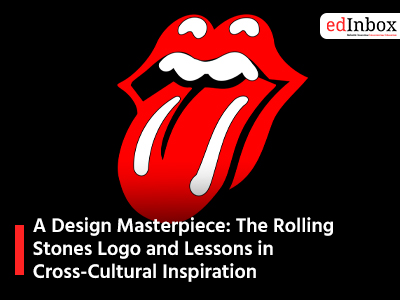
The Rolling Stones' iconic tongue-and-lips logo, a hallmark of design and music history, offers a fascinating case study for design education. Created in 1970 by British artist John Pasche, the logo’s inspiration draws from an unexpected cultural source: the Hindu goddess Kali. This cross-cultural influence serves as a powerful example of how art, culture, and storytelling can shape timeless design.

Pasche’s design process reflects an essential lesson for design students: the importance of research and contextual inspiration. When approached to design a logo for the Rolling Stones, Pasche sought to encapsulate the band’s defiance, energy, and irreverence. His discovery of Kali’s tongue-out expression—a key element in Hindu art—sparked the bold, rebellious imagery that has since defined the band’s brand identity.

Mick Jagger, the band’s lead singer, played a vital role in the creative process. His travels to India in the 1960s introduced him to the country’s rich culture and mythology. Jagger’s vision for the band’s logo was shaped by his exposure to Indian art, demonstrating how personal experiences and cross-cultural interactions can fuel innovative design concepts.

For design educators, this story underscores the value of exploring diverse sources for inspiration. Pasche’s ability to recontextualize a traditional cultural motif into a modern rock symbol highlights the importance of adaptability and creative reinterpretation in design.

The logo’s evolution into one of the most recognizable symbols in music history is also a lesson in branding. The design’s simplicity, boldness, and universal appeal have allowed it to transcend its origins, resonating with audiences across generations. This reinforces the principle that effective design must balance aesthetic appeal with cultural relevance and emotional resonance.

Additionally, the Rolling Stones logo challenges designers to think globally while respecting cultural origins. Incorporating elements from one culture into a new context requires sensitivity, understanding, and acknowledgment of the source material.

Key Takeaways for Design Education:

Cultural Research: Dive into diverse traditions and symbols for authentic inspiration.

Creative Reinterpretation: Adapt traditional elements into contemporary designs that resonate with modern audiences.

Collaborative Vision: Engage stakeholders—like Jagger’s role in shaping this logo—to align design with brand identity.

Enduring Simplicity: Create designs that balance complexity with clarity for lasting impact.

The Rolling Stones logo serves as a timeless case study in cross-cultural design, branding, and the transformative power of global artistic exchange—an enduring lesson for design students and professionals alike.

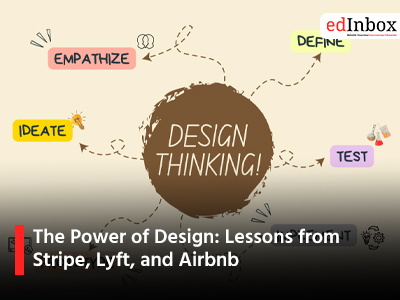
In today’s competitive business landscape, design is more than aesthetics—it's a strategic tool driving growth, innovation, and user engagement. Companies like Stripe, Lyft, and Airbnb exemplify how leveraging thoughtful design can create standout experiences that captivate customers.

Stripe: Simplifying Complexity Through Design

Stripe, a leading payment processing platform, excels at making intricate financial systems accessible. Its intuitive, user-friendly interface highlights the power of simplification in design.

Simplification: Stripe’s design reduces complexity, ensuring that users, regardless of technical expertise, can navigate its features effortlessly.

Consistency: The platform maintains a unified design language across its tools, fostering a seamless user experience.

This focus on clarity and ease of use has positioned Stripe as a trusted solution in online payments.

Lyft: Building Trust with Human-Centered Design

Lyft distinguishes itself in the ride-hailing industry by adopting a friendly, humanized design language. Its use of vibrant colors, animations, and engaging illustrations fosters emotional connections with users.

Humanization: Lyft’s approachable design creates a sense of trust, making the app experience feel personable and user-focused.

Emotional Connection: Through playful visuals and animations, Lyft evokes a sense of joy and loyalty among its user base.

This focus on emotional resonance has helped Lyft establish a strong brand identity in a competitive market.

Airbnb: Crafting Immersive and Story-Driven Experiences

Airbnb transforms the act of booking accommodations into an inspiring journey. Its design emphasizes storytelling and interactivity, engaging users on a deeper level.

Immersive Experience: High-quality visuals and interactive elements on Airbnb’s platform transport users into the world of travel, creating excitement about potential stays.

Storytelling: Every listing is presented as a unique narrative, with rich images and videos helping users envision their stay.

Airbnb’s design approach not only enhances usability but also ignites wanderlust, cementing its role as a market leader.

Design Lessons for Businesses

The strategies employed by Stripe, Lyft, and Airbnb offer actionable insights for companies aiming to leverage design for competitive advantage:

Simplify Complexity: Make intricate processes intuitive, like Stripe’s streamlined platform.

Humanize Design: Build trust and emotional connections, as Lyft does through its user-centered visuals.

Create Immersive Experiences: Engage users with interactive storytelling, following Airbnb’s model.

By adopting these principles, businesses can craft designs that inspire, engage, and leave lasting impressions on users, driving both loyalty and growth.


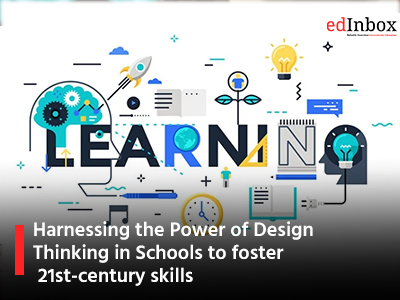
In a bid to equip students with the skills required to succeed in the 21st century, schools across India are incorporating design thinking into their curriculum. This innovative approach to learning is helping students develop essential skills such as creativity, critical thinking, and problem-solving.

Design thinking is a human-centered approach to problem-solving that involves empathy, ideation, prototyping, and testing. By incorporating design thinking into the curriculum, schools are providing students with a unique opportunity to develop the skills required to navigate the complexities of the 21st century.

The benefits of design thinking in schools are numerous, writes The Economic Times. It helps students develop a growth mindset, builds confidence, and encourages creativity and innovation. Additionally, design thinking helps students develop essential skills such as communication, collaboration, and critical thinking.

Schools across India are already witnessing the positive impact of design thinking on their students. By providing students with a platform to express their creativity and develop innovative solutions to real-world problems, schools are helping students develop the skills required to succeed in the 21st century.

As the Indian education system continues to evolve, it is essential that schools prioritize the development of 21st-century skills in their students. By incorporating design thinking into the curriculum, schools can provide students with a unique opportunity to develop the skills required to succeed in an increasingly complex and interconnected world.

The incorporation of design thinking in schools is a significant step towards fostering 21st-century skills in students. As the Indian education system continues to evolve, it is essential that schools prioritize the development of essential skills such as creativity, critical thinking, and problem-solving.

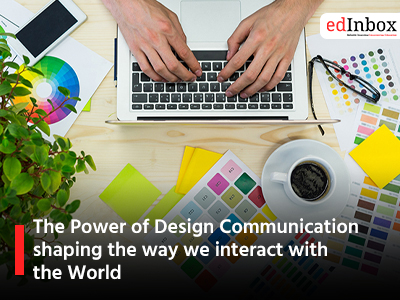
In today's visually driven world, effective communication is key to capturing attention, conveying messages, and building connections. Design communication, a multidisciplinary field that combines visual and textual content, plays a vital role in shaping the way we interact with the world around us.

What is Design Communication?

Design communication is the art and practice of using visual and textual content to convey information and ideas. It encompasses various forms of media, including print, digital, and video, and requires a blend of creativity, strategic thinking, and technical skills.

The Impact of Design Communication

From branding and advertising to user interface design, data visualisation, and multimedia storytelling, design communication crafts the visual and verbal language that shapes our interaction with the world. Effective design communication can make or break a brand, influence consumer behaviour, and even drive social change.

Career Paths in Design Communication

Individuals with a background in design communication can pursue a range of career paths, including:

Branding: Creating cohesive visual identities for companies and organisations.

Marketing and Advertising: Developing campaigns that capture attention and convey messages.

User Experience (UX) Design: Crafting intuitive and user-friendly digital interfaces.

The Future of Design Communication

As technology continues to evolve and our interactions become increasingly digital, the demand for effective design communication will only continue to grow. As designers, communicators, and innovators, it is essential that we prioritise clarity, creativity, and strategic thinking in our design communication practices.

More Articles ...