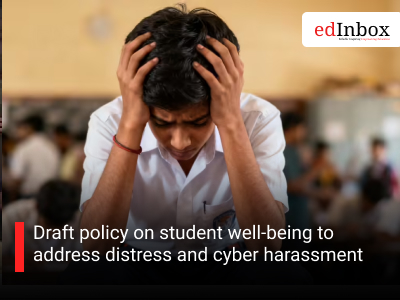
The state govt is soon going to introduce a first-of-its-kind, comprehensive policy aimed at safeguarding students' dignity, protection and mental well-being across its higher education institutions, amid a worrisome rise in distress, harassment and student suicides.
It takes a 360-degree approach to campus safety, from abuse, ragging, cyberbullying, substance abuse, and digital harassment to addressing the needs of LGBTQ+ students and first-generation learners. Some of the suggestions in the first draft speak about measures such as a 24x7 toll-free helpline, secure e-grievance systems, and a rapid-response protocol for distress calls. Under cyber harassment, the draft also addresses emerging concerns over the use of deepfakes, trolling, and online shaming, even acknowledging the absence of digital safety cells.
The draft policy makes it obligatory for all state, deemed and private universities, and affiliated colleges and hostels to transform their approach to students' welfare and protection. The draft policy, which will be followed by some consultation and corrective changes before the final enactment, is being framed by an 11-member committee appointed by the state govt under the chairmanship of HSNC University vice-chancellor Hemlata Bagla.
A member of the committee, Neha Jagtiani, principal, R D National College, and director, HSNC Board’s Bandra campus, said they have mooted intensive gatekeeper training for faculty and staff so that early signs of student distress can be recognised and addressed with sensitivity. “The draft also underlines the need to discard any form of labelling or stigma in seeking counselling for mental health. The policy will strongly focus on the protection of vulnerable groups, including students prone to bullying, discrimination, cyber abuse, or identity-based harassment. Explicit protocols for prevention, awareness, and safe, confidential reporting mechanisms have been recommended.,” she said.
The most important mandate for colleges will be to establish a student wellness and mental health centre, which will be responsible for providing professional counseling, crisis intervention, and resilience programs. It also proposes strict human resource requirements to ensure that there is at least one qualified counsellor for every 2,000 students in urban HEIs and a higher ratio in vulnerable regions and institutions. A grievance redressal cell is mandated; it shall issue a reasoned, written order and communicate its decision regarding student complaints within 30 days. The draft policy brings in zero tolerance for stigmatising behaviour, including the use of labels such as ‘suicide case’ or ‘depressed student’, under professional misconduct. The draft lists serious consequences for institutional failure to respond to complaints. Institutional silence, delay, or negligence that endangers safety will be a grave violation.
Draft policy on student well-being to address distress and cyber harassment
Typography
- Smaller Small Medium Big Bigger
- Default Helvetica Segoe Georgia Times
- Reading Mode