
Everyday parenting practices that may appear harmless—such as constant criticism, comparing children with others, over-scheduling activities, or excessive smartphone use—can have lasting effects on a child's emotional well-being, confidence, and mental health, according to Indian education and parenting experts.
As conversations around positive parenting and children's mental health gain momentum, experts are urging families to move away from performance-driven parenting and instead focus on emotional security, trust, and healthy communication.
Everyday Habits That Can Become Toxic
According to educator Vijendra Singh Chauhan, toxic parenting often hides in seemingly ordinary behaviours. He points to habits such as:
- Constant criticism
- Comparing children with siblings or peers
- Emotional blackmail
- Excessive control over decisions
- Withholding affection based on performance
Chauhan believes that unconditional love and emotional safety should form the foundation of every parent-child relationship. He also emphasises that children need opportunities to make their own choices, learn from mistakes, and express themselves freely.
Over-Scheduling May Increase Stress
Parents often enrol children in multiple tuition classes, sports, music lessons, and extracurricular activities in an effort to keep pace with peers. However, Dr. Ritesh Malik warns that treating children like "performance projects" can do more harm than good.
Instead of encouraging creativity, excessive scheduling can lead to:
- Chronic stress
- Anxiety
- Burnout
- Reduced creativity
- Lack of independent thinking
Experts recommend allowing children unstructured playtime and encouraging curiosity rather than competition.
Academic Pressure Remains a Concern
Mental health professionals have repeatedly highlighted the impact of academic pressure on students. Experts say that constantly measuring children's success against others may weaken self-esteem, reduce confidence, and make them overly dependent on external validation.
Allowing children to pursue their own interests and respecting their individuality can help develop stronger decision-making skills and emotional resilience.
Smartphone Distractions Can Affect Parent-Child Bonding
Digital distractions are another growing concern for modern families.
Recent international research suggests that when caregivers are frequently distracted by smartphones during conversations or family time, teenagers are more likely to develop insecure attachment, affecting trust, communication, and future relationships.
Experts advise parents to practice mindful parenting by putting away digital devices during meals, conversations, and family activities to strengthen emotional connections.
Simple Household Tasks Can Build Life Skills
Research from Australia and the United States indicates that involving children in age-appropriate household chores can contribute to healthier cognitive development.
Simple responsibilities such as tidying rooms, helping in the kitchen, or organising belongings have been associated with improvements in:
- Working memory
- Executive functioning
- Responsibility
- Problem-solving skills
- Long-term independence
Experts suggest that practical life experiences can often be more beneficial than excessive screen time.
Parenting Is Shifting Towards Emotional Well-Being
Parenting conversations in India are increasingly moving beyond discipline and academic performance to include mental health, emotional intelligence, and child autonomy.
Experts recommend that parents:
- Listen without interrupting.
- Avoid comparing children with others.
- Respect teenagers' privacy.
- Encourage open conversations.
- Allow time for rest, play, and creativity.
- Focus on effort rather than only results.
As awareness around children's emotional well-being grows, educators and mental health professionals agree that balanced parenting—one that combines guidance with empathy and respect—can help children develop confidence, resilience, and healthier relationships throughout life.
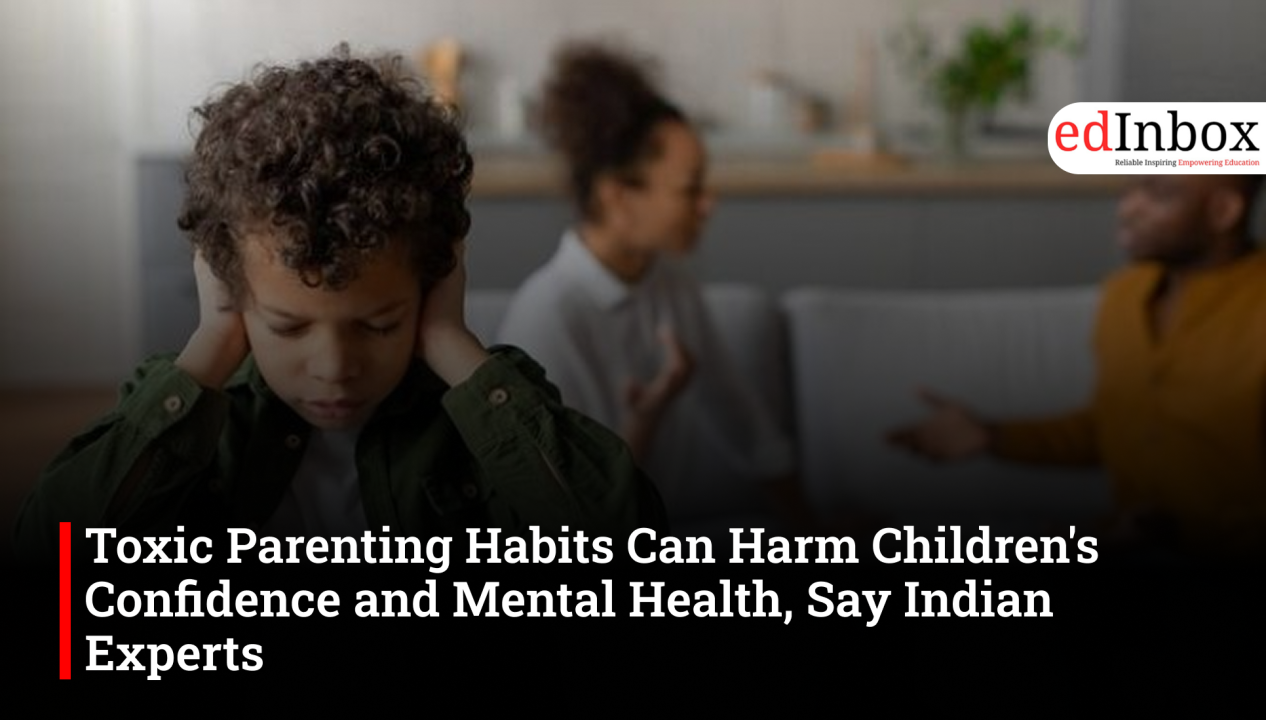
Toxic Parenting Habits Can Harm Children's Confidence and Mental Health, Say Indian Experts
Typography
- Smaller Small Medium Big Bigger
- Default Helvetica Segoe Georgia Times
- Reading Mode