
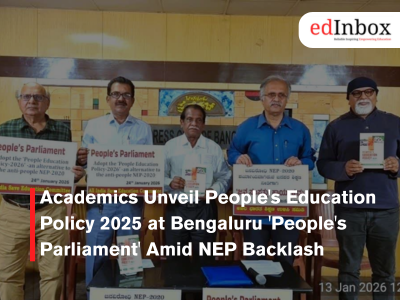
Academics and activists from the All India Save Education Committee (AISEC) unveiled the much-anticipated People's Education Policy (PEP) 2025 at a high-profile "People's Parliament" event here on January 13, positioning it as a robust counter to the National Education Policy (NEP) 2020. Drawing from nationwide consultations since May 2025, PEP demands a constitutional shift of education back to the State List, 10% Union and 25% state budget allocations, and rejection of privatization trends in NEP.
Core Demands Emerge
The draft leans heavily on the idea of providing universally free education from 3 to 17 years, teaching in one's mother tongue along with English, and doing away with the national tests like NEET and CUET, which are to be replaced by university, led admissions. Speakers poured scorn on NEP for school mergers, promoting Sanskrit, and pseudoscience through the Indian Knowledge System, and also called for permanently hiring teachers and no early vocationalization. Karnataka's delayed state policy fueled calls for local committees to fortify public schools.
Grassroots Momentum Builds
Released initially in Tamil Nadu and Karnataka, PEP gained traction through YouTube campaigns and academic forums, critiquing NEP's commercialization. "NEP betrays people-centric promises," declared AISEC leaders, highlighting declining public funding. With events like this drawing educators nationwide, PEP eyes broader adoption amid 2026 reforms.
Implementation hurdles persist, including political resistance, but proponents see it sparking democratic education revival. As states grapple NEP tweaks, PEP's vision—equitable, secular schooling—resonates, potentially reshaping India's policy discourse. Will governments heed this people's manifesto?
Academics Unveil People's Education Policy 2025 at Bengaluru 'People's Parliament' Amid NEP Backlash
Typography
- Smaller Small Medium Big Bigger
- Default Helvetica Segoe Georgia Times
- Reading Mode