
Media organisations often take the moral high ground. They run powerful exposés on modern slavery, labour exploitation, corporate abuse, and state oppression. They champion workers’ rights and speak passionately about dignity of labour. But underneath those self righteous headlines, a disturbing fact is hidden: the very media outlets that publish these headlines regularly ask freelance journalists, especially investigative reporters, to work without pay.
This double standard, besides causing shame, is also dangerous.
Investigative journalism is time consuming, costly, and requires a lot of energy. A freelancer's work could go over months in time just by following up on tips, cross checking the paper trail, getting familiar with the sources, and figuring out the legal risks. Many rely on grants from organisations such as Journalism fund Europe to make this possible. But here’s what most editors and publishers conveniently forget: these grants fund the investigation, not the publication.
The research phase is only half the job. After that comes writing, rewriting, structuring, fact-checking, legal vetting, editing, and adapting stories for different platforms. This is labour—skilled labour. Yet journalists are increasingly told: “You already got a grant, so we won’t pay.”
This logic is deeply flawed. Grants exist to enable public-interest investigations that commercial newsrooms no longer fund. They should not be considered as a replacement for editorial budgets.
If newsrooms decide not to cover the expenses of post, investigation work, it is tantamount to them gathering free labour at their disposal while enjoying the benefits of exclusive stories, awards, credibility, and traffic.
The power imbalance is brutal. Freelancers want their stories published. They want impact. They want accountability. Media houses know this—and exploit it. The unspoken message is: Take it or leave it. You should be grateful for the platform.
But exposure does not pay rent. Prestige does not cover healthcare. Bylines do not fund groceries.
I think this is not only unethical behavior but also self-sabotage in a way. The fact is that investigative journalism is hardly standing on its own legs these days. If media outlets continue to undermine the profession in this way by making unpaid labor a standard, there will be no next generation of the watchdogs at all.
The irony is painful. Journalists who expose exploitation are themselves being exploited—by the very institutions that claim to defend justice.
If media organisations want to call themselves the fourth estate, they must act like it. That begins with paying journalists fairly—always. Even when grants are involved. Especially then.
Because a press that feeds on free labour cannot claim to stand for freedom.
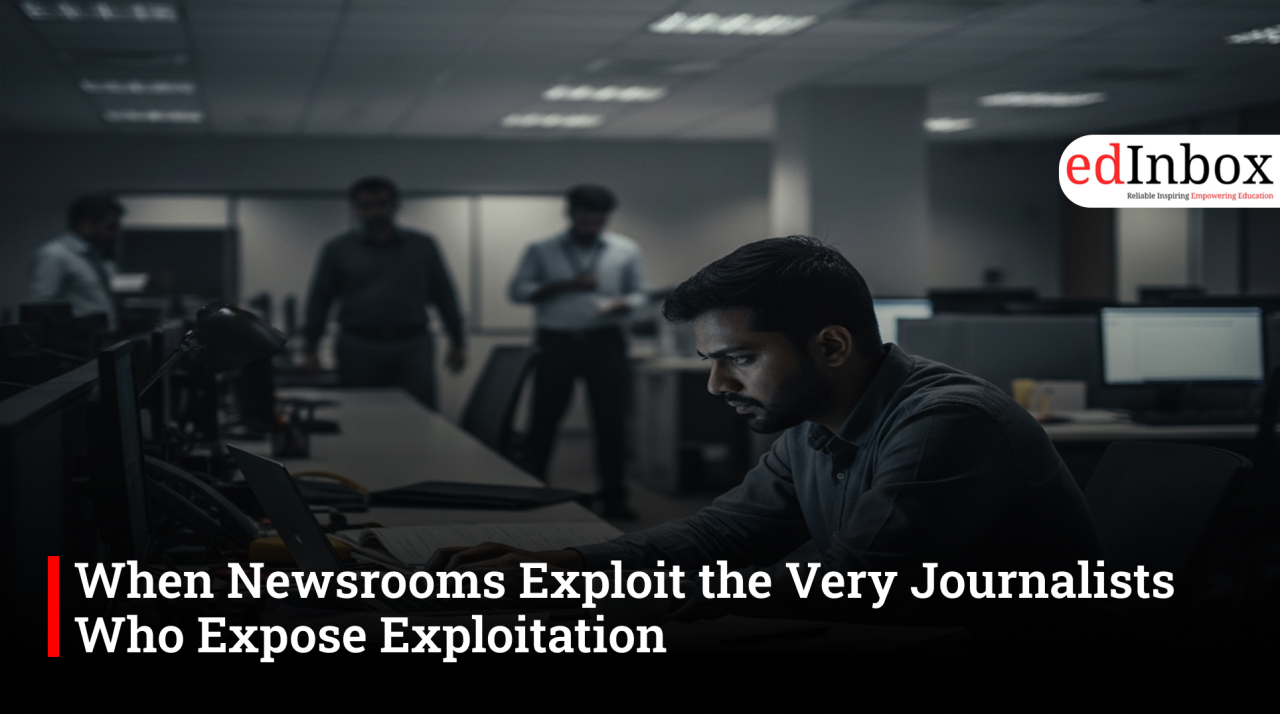
When Newsrooms Exploit the Very Journalists Who Expose Exploitation
Typography
- Smaller Small Medium Big Bigger
- Default Helvetica Segoe Georgia Times
- Reading Mode