
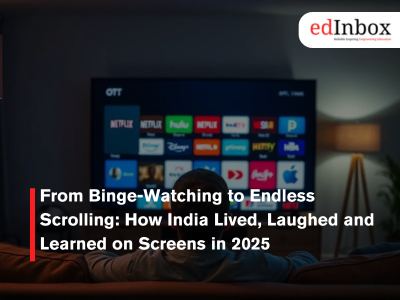
In 2025, India didn’t just watch screens — it lived inside them. From families gathering around connected TVs for weekend binge sessions to millions of thumbs endlessly scrolling through reels during metro rides, screen time became both entertainment and education, escape and excess.
Long-form OTT content continued to be India’s comfort zone. The future of TV is neither in pixels nor in fullscreen format, but rather through "On-Demand" (OTT) services. The TOI Habit Index indicates that last year, 39% of screen time was spent on OTT platforms, signifying an increase in people's interest towards on-demand cinematic storytelling in India. According to the TOI Index, for the same period, over 60% of OTT viewership was attributed to Netflix and YouTube respectively, while many people used these platforms as social experiences. People shared their experiences of watching the tiger show with colleagues and friends, discussed the latest twists of their favourite shows at work, went to the cinema together to see regional films, and shared stories about how the stories on these platforms reflected their everyday lives.
While OTT services acted as the main source of entertainment in their living rooms, short-form video services, such as Instagram Reels and YouTube Shorts, became the go-to source for entertainment by viewers on the go. Both services accounted for approximately 14% of total digital consumption in India, primarily due to the high level of interest among the younger demographic. An estimated 650 million people in India will consume short-form video content on a daily basis by 2025. The average duration of this daily consumption is expected to be approximately one hour. Typical content viewed will include comedy skits, exam preparation, health tips/recommendations, recipe videos & other forms of instructional video content.
Instagram and YouTube have blurred the lines between education and entertainment for both content creators and consumers. As a result, they have changed how creators use video to engage audiences and help people grow professionally.
Why do Indians keep returning to screens? For 43% of users, it was about unwinding — comedy and light entertainment offered relief from long workdays and academic pressure. Another 29% logged in to stay informed, with social platforms like Instagram emerging as unexpected news classrooms for the digital generation. Explainers on geopolitics, finance, and science now sit comfortably between dance reels and memes.
But the year also exposed a growing discomfort with digital excess. More than half of users admitted they wanted to reduce screen time, especially the habit of mindless scrolling. Parents worried about children glued to phones, while young adults spoke of “reel fatigue” — the feeling of being entertained yet exhausted.
Traditional television, once the undisputed king, continued to fade, now accounting for just 11% of viewing time. In its place, connected TVs, mobile screens and personalised algorithms reshaped how content is consumed — anytime, anywhere.
India’s digital media economy crossed $10 billion in 2025, but the real story lies beyond numbers. Screens became classrooms, companions and coping mechanisms. As India moves forward, the challenge isn’t choosing between OTT or reels — it’s learning how to watch consciously, scroll mindfully, and let screens enrich life without quietly taking it over.
From Binge-Watching to Endless Scrolling: How India Lived, Laughed and Learned on Screens in 2025
Typography
- Smaller Small Medium Big Bigger
- Default Helvetica Segoe Georgia Times
- Reading Mode