
Wildlife tourism in India isn't just about jeep rides. Now, travelers pick trips led by naturalists who teach you to hear bird calls, interpret animal behavior, and read the forest's quiet signs. Every hike becomes a lesson in place - not just sightseeing, but real connection to the land. In Assam's Dima Hasao, Hajong Gajam keeps rare freshwater turtles and hill terrapins. And this shift is visible across the region. Some groups spend days tracking frog calls under moonlight. Thick bamboo forests make getting through tough, so guides like Joypen Kemprai step in. He shows how bamboo keeps moisture for turtles and how ancient trees shape the habitat. A single tortoise sighting turns into a classroom on forest life. Thing is, young locals are now joining as educators too. They lead visitors through tea made in bamboo tubes at Bendao Baglai waterfall. Naushad Hussain from Guwahati runs these tours, matching travelers with residents to build real understanding of the terrain.
Visitors gain more than photos or checklists. They walk through ecology with eyes open and ears listening. Now, the experience changes how they see nature - not as scenery, but as a living system shaped by generations of local knowledge.
In Nagaon, Assam, Shekhar Bordoloi guides adventure seekers through forests where they hike to wild waterfalls, pitch tents in untouched areas, and go rappelling. Costs range from 1,000 to 2,500 based on what you choose. No luxury - just real nature. The experience is grounded in hands-on action.
Travelers in Ladakh are now joining snow leopard tracking trips led by Ismail Shariff from Hyderabad. He uses high-powered spotting scopes so people can see the animals without disturbing them. These 11-day trips cost more than 1.75 lakh and cover lessons on tracking, watching wildlife carefully, and following conservation rules. Baiting the leopards for photos is never allowed.
Closer to southern India, Koushik Chattopadhyay runs small group tours - maximum eight people, from Bengaluru to places like Wayanad, Munnar, and tiger reserves in madhya Pradesh. He teaches participants to recognize bird songs, spot subtle movements, and read animal behavior. His focus stays on ethics: permits, safety rules, and respect for wildlife are non-negotiable. Tours vary by location and length - domestic trips range from 30,000 to 45,000 rupees. International safaris cost over 1.9 lakh rupees.
Nilutpal Mahanta leads students and birdwatchers into remote areas - Eaglenest Wildlife Sanctuary, Namdapha Tiger Reserve, Dihing Patkai - places few people ever reach. He shows the growth patterns of pteridophytes and bryophytes, explains migration paths, and describes how forests maintain their balance without baiting. Just quiet watching. Prices stay at 7,000 to 8,000 rupees per person per day. This isn't about staged scenes or checklists - it's about real time with the forest. A single day can change how you see trees and water. You feel it when a raptor swoops low or a frog calls at dusk - then you remember why people keep coming back.
But here in India, the concept of wildlife travel is undergoing a rapid transformation. It's not merely a matter of sightseeing anymore. The focus is on engaging with the elders who have been living in these areas for many years. Conservation is fundamentally a matter of trust. It happens when tourists, instead of just taking pictures, engage in conversations with naturalists and ask questions. Those who acquire knowledge about the patterns of rain and wind will have the tendency to avoid areas of logging or poaching. The forest is not in want of huge schemes - it wants people who are attentive enough to notice a leaf falling or a deer silently stepping off a trail.
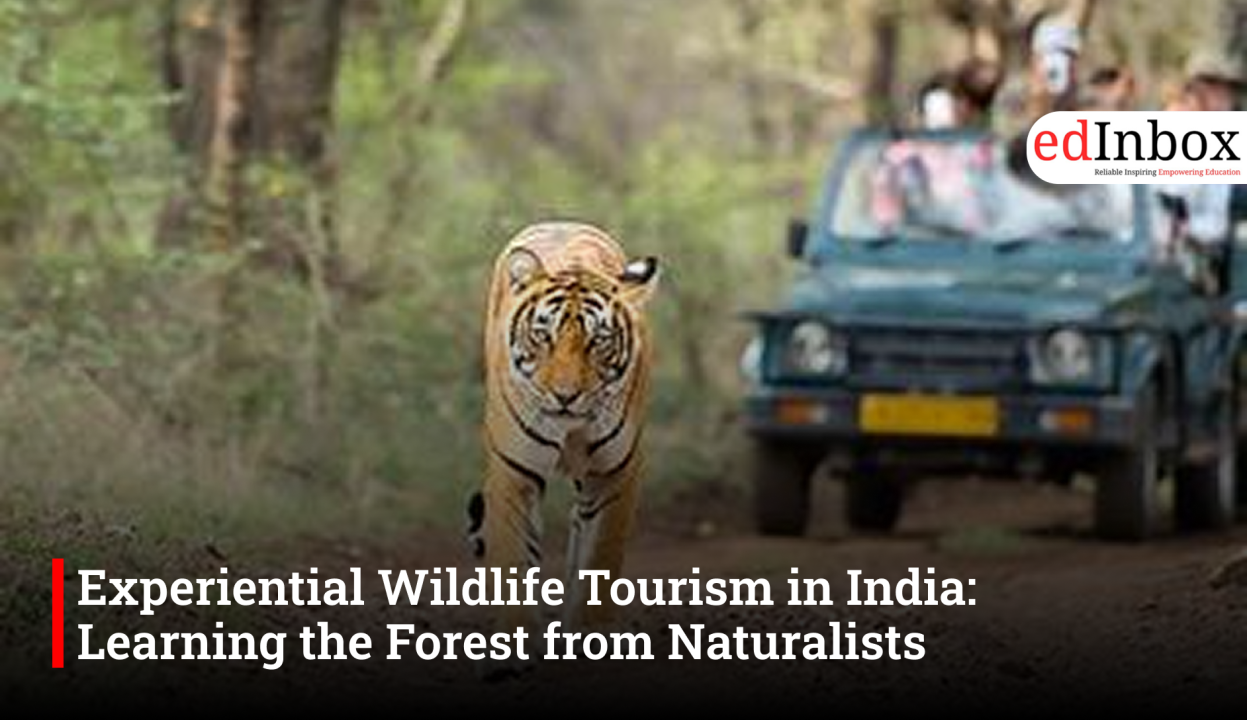
Experiential Wildlife Tourism in India: Learning the Forest from Naturalists
Typography
- Smaller Small Medium Big Bigger
- Default Helvetica Segoe Georgia Times
- Reading Mode