A recent chargesheet by the National Investigation Agency (NIA) has laid bare how a terror module linked to Al-Qaeda in the Indian Subcontinent operated through a blend of online radicalisation and local coordination—offering a stark look at how digital platforms are increasingly shaping modern terror networks.
According to the investigation, the module’s operations—from recruitment to training—were deeply embedded in encrypted online ecosystems. The case centres on Minhaj Ahmed, a Lucknow-based electrical diploma holder, who was allegedly radicalised through online extremist content before being drawn into the network via social media outreach. Initial contact through Instagram later shifted to encrypted platforms like Telegram, where conversations became more covert and operational.
Investigators found that closed Telegram groups acted as virtual command centres. These groups, including one identified as “Haqaik Ki Duniya,” were used to circulate propaganda, issue instructions, and reinforce ideological commitment. Members were reportedly administered bayat (oath of allegiance), integrating them into a structured hierarchy linked to AQIS and its affiliate, Ansar Ghazwat-ul-Hind.
The chargesheet highlights how digital anonymity was leveraged to evade detection. Handlers operated under aliases, using virtual numbers and encrypted communication to maintain layers of separation. One such handler, identified as Tawheed Ahmad Shah, is described as a key recruiter and facilitator, allegedly guiding operatives, coordinating funds, and directing activities from behind the scenes.
A particularly alarming aspect of the case is the use of online resources for terror training. The NIA revealed that a digital manual titled “Explosive Course” was shared within the network, detailing step-by-step methods to assemble improvised explosive devices (IEDs) using easily available materials. Forensic analysis later confirmed the presence of explosive substances at the accused’s premises, indicating that these instructions had moved from screen to reality.
The investigation also uncovered a financial trail supporting the module’s activities. Funds were transferred through multiple channels, including discreet bank transactions, to avoid scrutiny. Additionally, efforts to procure firearms and ammunition were documented, suggesting attempts to build a more advanced operational capability.
Voice samples and digital evidence further strengthened the case, with forensic analysis linking key accused to recorded communications. The NIA says these findings establish clear coordination among members and point to an organised, multi-layered conspiracy.
From a media and security perspective, the case underscores a growing challenge: the convergence of online radicalisation and offline action. It highlights how encrypted platforms, once seen as tools for privacy, are being exploited for recruitment, indoctrination, and operational planning.
As authorities continue to track such networks, the case serves as a reminder of the evolving nature of terrorism—where the battlefield is no longer just physical, but increasingly digital.
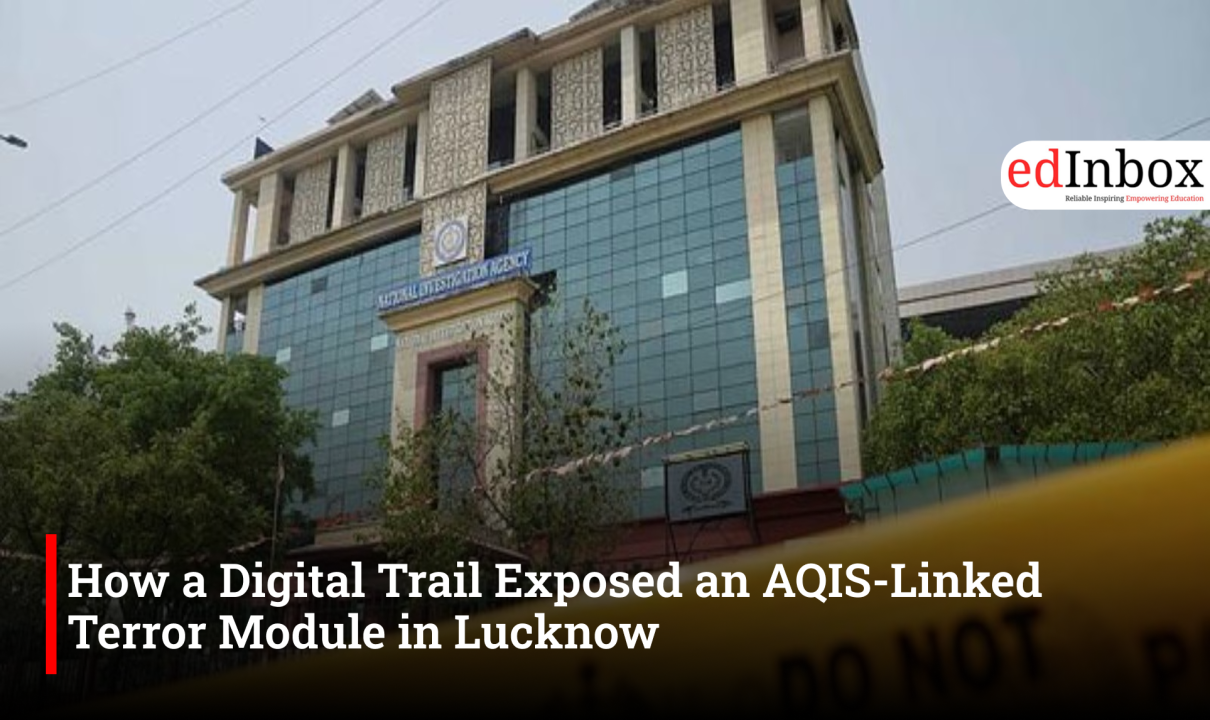
How a Digital Trail Exposed an AQIS-Linked Terror Module in Lucknow
Typography
- Smaller Small Medium Big Bigger
- Default Helvetica Segoe Georgia Times
- Reading Mode