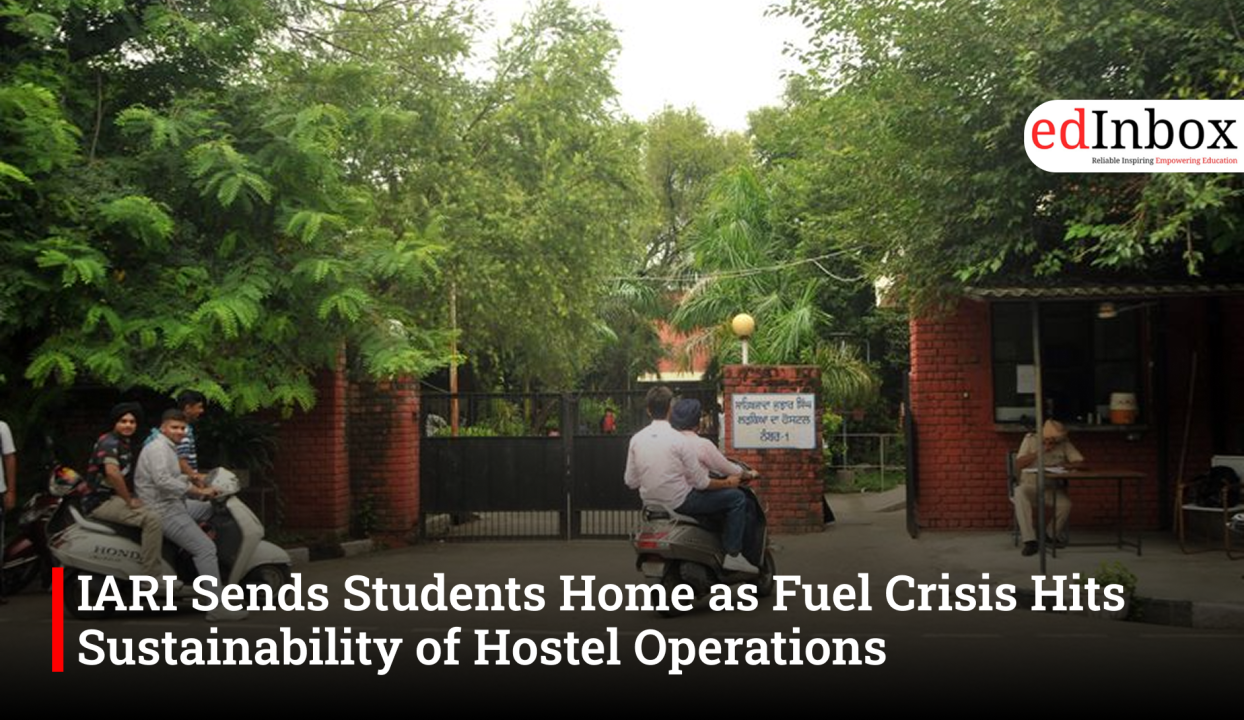
India's academic institutions are the new targets of the fuel shortage. The Indian Agricultural Research Institute, also called Pusa Institute, has requested almost 600 students to vacate the hostels on the campus. They will be moving to online teaching from April 6, 2026. The move has been made as the situation between US and Iran continues to get tense. It's not just about running labs or offices - it's about how fragile campus food services are when fuel stops flowing. Energy access remains a core issue for institutions that rely on centralized messes.
ICAR runs the institute and funds its operations. Undergraduate, first-year Master's, and PhD students are all being asked to return home. About 1,800 students live on campus. Around 600 of them are being moved out now. This shift isn't temporary anymore, it's a direct result of energy instability. Students can't go to meals or dorms without fuel deliveries. Their daily routines depend on uninterrupted supply chains.
Hostel messes operate off one key input: fuel. That creates risk during international conflicts or supply chain breaks. The institute says current energy shortages are disrupting food services. Without backup systems or alternative power sources, campuses stay exposed to outside shocks. Long-term planning must include energy diversification for stability.
And the campus isn't completely silent, second-year and senior grad students keep working on research, still doing labs and offline classes. That shows a push to maintain advanced work. But displaced students' hands-on training will wait until they come backit makes you wonder if this kind of delay could stretch long-term. Resource planning feels shaky right now.
What we're seeing isn't just a short-term issue. It hits deep into how institutions function. Public schools like IARI are tiny versions of bigger systems. When one breaks down, the whole system shakes. The crisis calls for energy-resilient designs - like local cooking setups, solar power integration, and varied supply paths.
This shift forces sustainability into daily operations. With energy markets unstable, campuses can't rely on outside fuel for labs or food prep. How they run now depends on reducing outside inputs - no more blind dependence on distant sources.
For now, students return home and learning continues online. But the larger question remains: can India’s premier institutions transition from crisis response to sustainable preparedness?
IARI Sends Students Home as Fuel Crisis Hits Sustainability of Hostel Operations
Typography
- Smaller Small Medium Big Bigger
- Default Helvetica Segoe Georgia Times
- Reading Mode