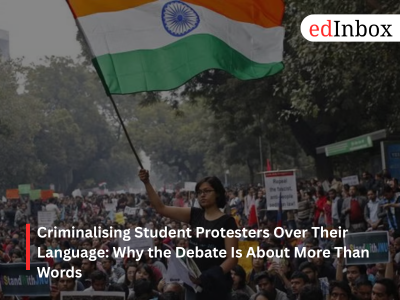
The nationwide discussion following the July 20 student protests has shifted from the issues raised by demonstrators to the language used by some participants. While several protesters used offensive and abusive expressions during the demonstrations, the subsequent response—including criminal complaints, online harassment and public shaming—has sparked a broader debate about freedom of expression, proportionality and the treatment of young protesters in a democracy.
For many students preparing for competitive examinations, the protests marked a rare moment when their concerns received national attention. Demonstrators marched to Parliament demanding accountability over education-related issues, believing their grievances had finally reached policymakers. However, public discourse soon moved away from those demands and focused almost entirely on the conduct of a few individuals.
Several students, including teenagers, reportedly faced police complaints, widespread criticism on social media, cyberbullying, doxxing, morphed images, stalking and threats after videos of the protests circulated online. Critics argue that while offensive language deserves criticism and calls for civility, the response should remain proportionate and should not expose young people to sustained harassment or lifelong consequences.
The debate also raises important legal and constitutional questions. Civil liberties advocates note that democracies are expected to tolerate uncomfortable, emotional and even offensive speech during protests, provided it does not cross into unlawful conduct. At the same time, they acknowledge that abusive language can undermine public discourse and should be discouraged through education and responsible engagement.
One of the central concerns is whether criminal law is the appropriate response to speech that many consider offensive but non-violent. Legal experts have questioned whether invoking criminal provisions against students for remarks made during emotionally charged demonstrations could discourage legitimate democratic participation by creating a fear of prosecution among young citizens.
The discussion gained further attention after Prime Minister Narendra Modi referred to the students involved as "misguided children" and appealed for forgiveness rather than punishment. He argued that guidance and dialogue would be more constructive than prolonged legal proceedings, encouraging young people to acknowledge mistakes and learn from them.
The issue has also highlighted the role of social media in amplifying public outrage. Several students who apologised for their remarks reportedly continued to face online abuse despite expressing regret. At the same time, families of police personnel injured during the protests have also spoken publicly about the emotional impact of attacks and abusive messages directed at officers and their relatives.
Both experiences underscore that online harassment affects multiple groups and that compassion should extend to all individuals caught in the aftermath of contentious public events.
Another dimension of the debate concerns changing communication patterns among younger generations. Educators observe that many students have grown up in digital environments where informal or profane language is commonplace, potentially blurring the distinction between private conversations and public discourse. This has prompted calls for stronger civic education that teaches respectful disagreement, responsible communication and the boundaries of democratic expression.
Ultimately, the controversy reflects the challenge of balancing two important democratic values: holding individuals accountable for inappropriate conduct while ensuring that youthful mistakes do not result in disproportionate legal or social punishment. Many observers argue that constructive dialogue, education and opportunities for reflection are more effective than criminalisation in helping young citizens develop into responsible participants in public life.
Criminalising Student Protesters Over Their Language: Why the Debate Is About More Than Words
Typography
- Smaller Small Medium Big Bigger
- Default Helvetica Segoe Georgia Times
- Reading Mode