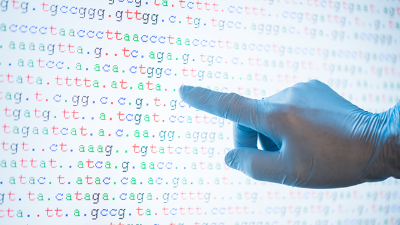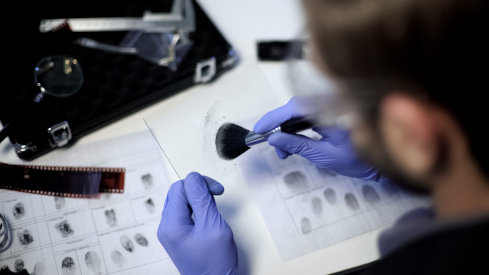
Imagine a microscopic fingerprint, unique to every individual, holding the key to unlocking the truth in a criminal investigation. That's the power of DNA analysis in forensics.
Forensic Science Council News | Stay Updated with Edinbox
Types Of Evidence In Forensic Science
Have you ever wondered what those yellow crime scene tapes cordoned off? It's not just about catching a glimpse of the latest police drama.
Securing And Processing A Crime Scene: The Foundation Of A Strong Investigation
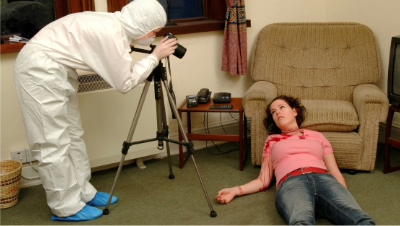
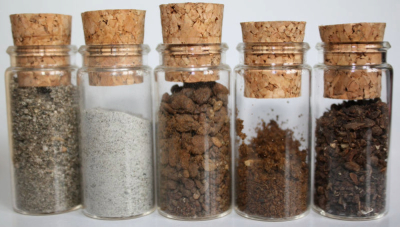
A crime scene is a treasure trove of information, holding silent witnesses through fingerprints, DNA, fibres, and countless other traces. However, this evidence is fragile and can be easily contaminated or lost if not handled properly.
Crime Scene Investigation (CSI): Basics and Procedures
This evidence can then be used to reconstruct the events of the crime, identify suspects, and ultimately bring them to justice.
Importance Of Forensic Science In Criminal Justice
Have you ever been glued to a detective show, marvelling at how they crack seemingly impossible cases? Well, those flashy crime scene investigations (CSI) rely heavily on a real-world superpower: forensic science.
History And Evolution Of Forensic Techniques: From Ancient Clues To DNA
Imagine a world where solving crimes relied on hunches and whispers. No CSI, no high-tech labs, just guesswork. Thankfully, that's not the story of forensic science!
Want to become a Forensic expert? Here’s your go-to guide
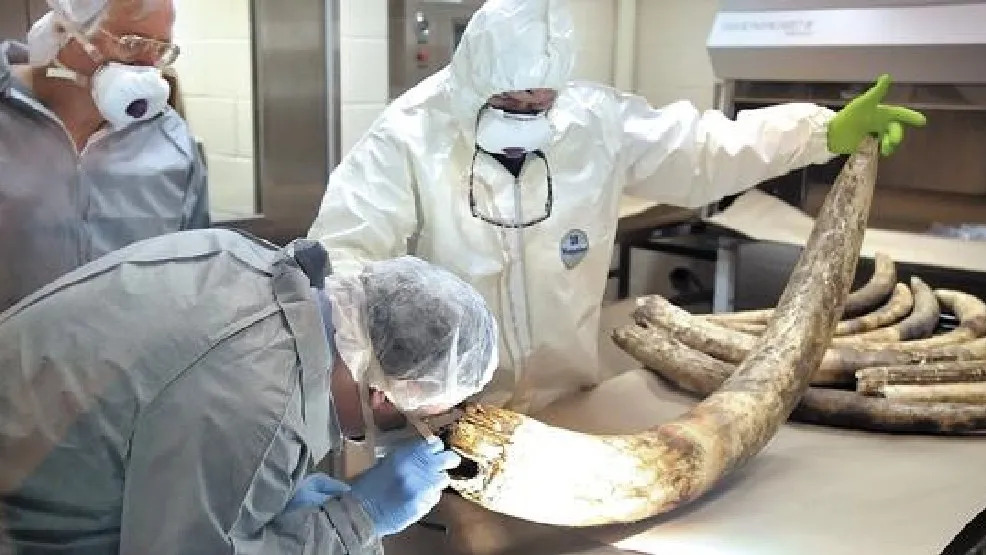
Forensic science is the application of scientific principles and techniques to solve crimes. It involves analyzing physical evidence from crime scenes to provide crucial information to aid investigations and support legal proceedings.