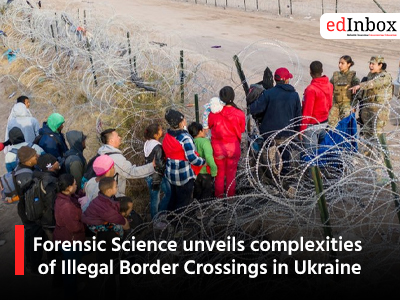
Amid the ongoing military conflict in Ukraine, illegal border crossings have emerged as a significant challenge for law enforcement agencies. A recent study delves into the complexities of addressing these activities from a forensic science perspective, emphasizing the role of evidence analysis in tackling criminal behavior in conflict zones.
Speaking about the investigative challenges in a conflict zone, edinbox senior scribe Nibedita dug out details from a research by Ruslan Orlovskyi and Vasyl Kozak published in Forensic Science International: Synergy which claims that illegal border crossings in Ukraine are fraught with complications for investigators, exacerbated by the volatile environment.
The key challenges include:
Restricted Access to Crime Scenes: The presence of active conflict often limits the ability to secure and analyze border areas effectively.
Difficult Suspect Identification: High mobility of individuals and lack of reliable documentation make identifying suspects arduous.
Multilateral Involvement: Evidence is often entangled with activities of various groups, complicating the attribution of culpability.
Forensic Techniques Addressing Border Crimes
Forensic science provides invaluable tools to navigate these obstacles. Techniques deployed include:
DNA Analysis: Biological evidence, such as hair or skin cells, is analyzed to identify suspects and establish connections to crime scenes.
Fingerprint Analysis: Residues left on objects can link individuals to specific locations or events.
Digital Forensics: Electronic devices such as smartphones are scrutinized for communication logs, location data, and potential affiliations.
Geospatial Analysis: Advanced mapping technology tracks movements of individuals and groups across regions, providing insight into routes and methods used in border breaches.
The Role of Legislation and Global Cooperation
The study underscores the importance of aligning national and international efforts to combat illegal border crossings effectively. Recommendations include:
Standardized Forensic Protocols: Developing uniform procedures ensures consistency and reliability in evidence handling and analysis.
Enhanced Collaboration: Cross-border information sharing among nations fosters a unified approach to crime prevention and investigation.
Training Programs: Building forensic expertise within Ukraine equips professionals to tackle crimes with greater efficiency.
As the conflict persists, the application of forensic techniques is pivotal in mitigating the impact of illegal border crossings. By bridging scientific analysis with legislative and collaborative frameworks, forensic experts can contribute to upholding security and justice. This study highlights the indispensable role forensic science plays in navigating the intricacies of border-related crimes, demonstrating its potential to influence both local enforcement and international policymaking.