
Gaming is no longer just a form of entertainment—it has evolved into one of the fastest-growing sectors of the global digital economy. With advances in artificial intelligence, virtual reality, augmented reality, mobile gaming and e-sports, the demand for skilled game designers continues to rise. For students who enjoy creativity, storytelling, digital art and technology, Game Design is emerging as one of the most promising career choices in 2026.
Unlike conventional career paths that focus on a single discipline, game design combines creativity with technology. Professionals in this field work on everything from developing game concepts and characters to creating immersive worlds, designing gameplay mechanics and improving user experience. The result is an industry where artistic imagination meets technical innovation.
A Bachelor of Game Design, Bachelor of Game Design & Animation, or Bachelor of Multimedia Design equips students with practical knowledge of game development, visual storytelling, animation, programming basics, interface design and digital production. Most programmes also include project-based learning, portfolio development and internships, helping students gain real-world experience before graduation.
Admission to many game design programmes is based on design entrance examinations that evaluate creativity, visual thinking, analytical ability and problem-solving skills. The All India Design Aptitude Test (AIDAT) is one such entrance examination accepted by more than 100 universities across India for admissions to various design programmes. Performance in these aptitude tests, along with academic qualifications, helps institutions assess a candidate's potential for creative disciplines.
Career opportunities in game design extend far beyond developing video games. Graduates can work as Game Designers, Level Designers, Game Artists, Animators, Multimedia Designers, UI/UX Designers, Technical Artists, Visual Designers, Creative Technologists and interactive media specialists. They find employment in gaming studios, animation companies, advertising agencies, edtech firms, virtual reality companies, mobile application developers and entertainment platforms.
Salary prospects vary depending on skills, portfolio quality, internships and the recruiting organisation. Fresh graduates who have built strong portfolios and completed industry internships often have better placement opportunities. As professionals gain experience and specialise in areas such as 3D animation, game programming, visual effects or user experience design, career growth and earning potential increase significantly.
One of the biggest advantages of pursuing game design today is the availability of quality programmes at relatively affordable universities. Students looking for budget-friendly options can explore institutions such as Silver Oak University, Vivekananda Global University, Parul University, Indus University, JECRC University and Chandigarh University, all of which offer industry-oriented curricula, practical learning, internships and placement support while maintaining comparatively lower tuition fees than premium design institutes.
When selecting a college, students should look beyond fee structures and evaluate factors such as faculty expertise, industry collaborations, internship opportunities, laboratory infrastructure, software access, portfolio development, placement records and alumni success. Scholarships and financial assistance offered by institutions can also help reduce the overall cost of education.
As the gaming industry continues to expand globally, employers are increasingly looking for professionals who can combine creativity, storytelling, design thinking and technology. Students who enjoy drawing, animation, coding, digital art, interactive media or creative problem-solving may find game design to be a rewarding and future-ready profession.
With increasing demand for immersive digital experiences across gaming, education, healthcare, advertising and entertainment, a career in game design offers opportunities that extend well beyond traditional game development. For aspiring designers willing to continuously learn new tools and technologies, 2026 presents an ideal time to enter this dynamic and rapidly evolving field.
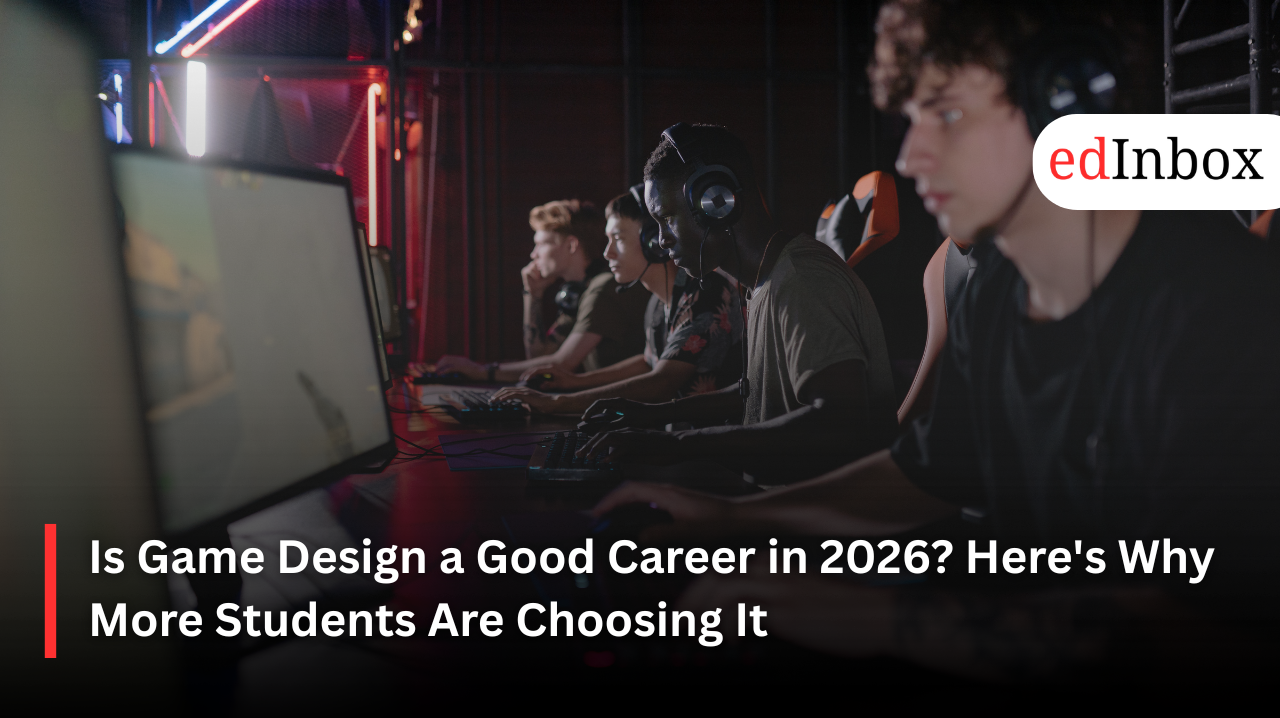
Is Game Design a Good Career in 2026? Here's Why More Students Are Choosing It
Typography
- Smaller Small Medium Big Bigger
- Default Helvetica Segoe Georgia Times
- Reading Mode