
Higher education institutions across Latin America are adopting diverse strategies to integrate sustainability into teaching and learning, according to a recent webinar hosted by UNESCO International Institute for Higher Education in Latin America and the Caribbean (IESALC). The event brought together educators and policymakers from 18 countries to discuss how universities can prepare students to tackle global sustainability challenges.
Representatives from Escuela Superior Politécnica del Litoral in Ecuador and Universidad Autónoma Metropolitana shared complementary approaches to curriculum transformation, highlighting that there is no single pathway to embedding sustainability in higher education.
Opening the discussion, Tatiana Molina of UNESCO IESALC emphasized the challenge of translating teacher training into meaningful classroom practice. She introduced the organization's Pedagogical Design and Education for Sustainable Development Bootcamp, a hands-on initiative designed to help university teams integrate sustainability principles into academic programmes through practical and collaborative learning experiences.
ESPOL outlined its institution-wide sustainability framework, which extends beyond environmental concerns to include social, economic and governance dimensions. The university has incorporated sustainability into teaching, research and community engagement activities, while requiring students to evaluate environmental and social impacts within their final-year projects. According to Vice Rector Paola Romero, this shift has led to significant curricular reforms and strengthened sustainability-related competencies among students.
Meanwhile, UAM Lerma presented an interdisciplinary model that brings students from different academic disciplines together to address real-world challenges. Through collaborative projects focused on issues such as waste management, students develop a broader understanding of complex societal problems while connecting academic learning with community needs.
A central feature of both approaches is the integration of the United Nations Sustainable Development Goals (SDGs), which serve as a framework for linking education with pressing global challenges. Participants agreed that embedding the SDGs into curricula can help universities cultivate critical thinking, ethical leadership and active global citizenship among future graduates.
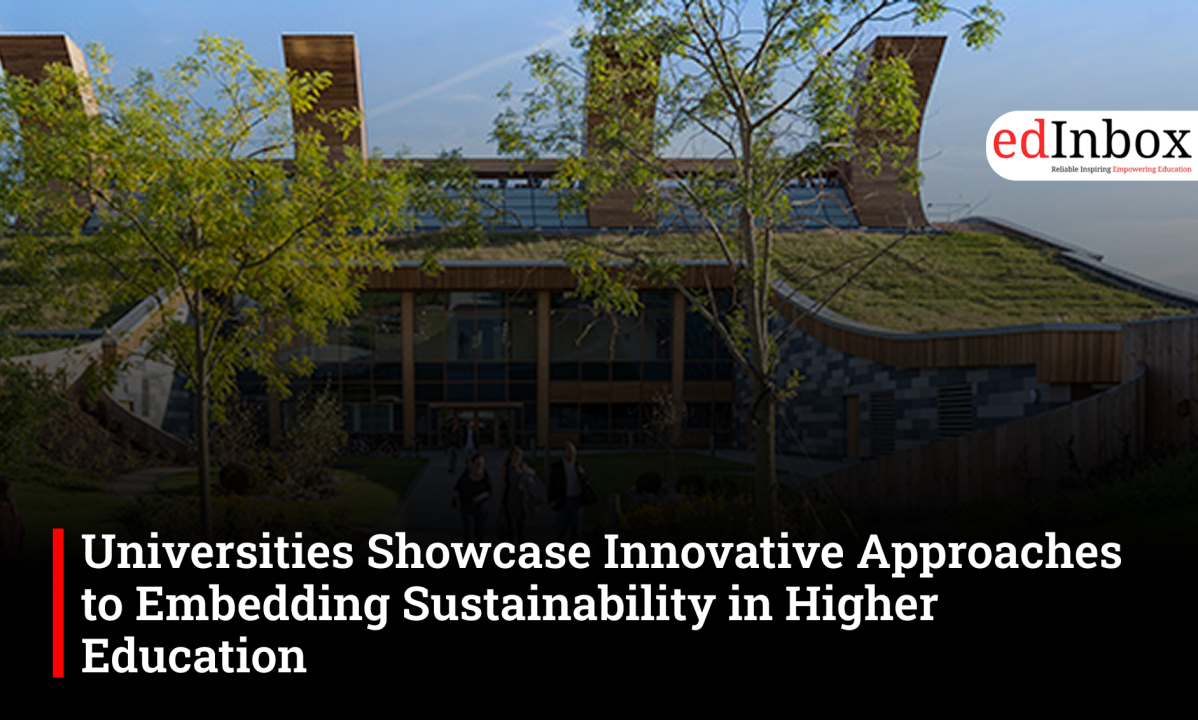
Universities Showcase Innovative Approaches to Embedding Sustainability in Higher Education
Typography
- Smaller Small Medium Big Bigger
- Default Helvetica Segoe Georgia Times
- Reading Mode