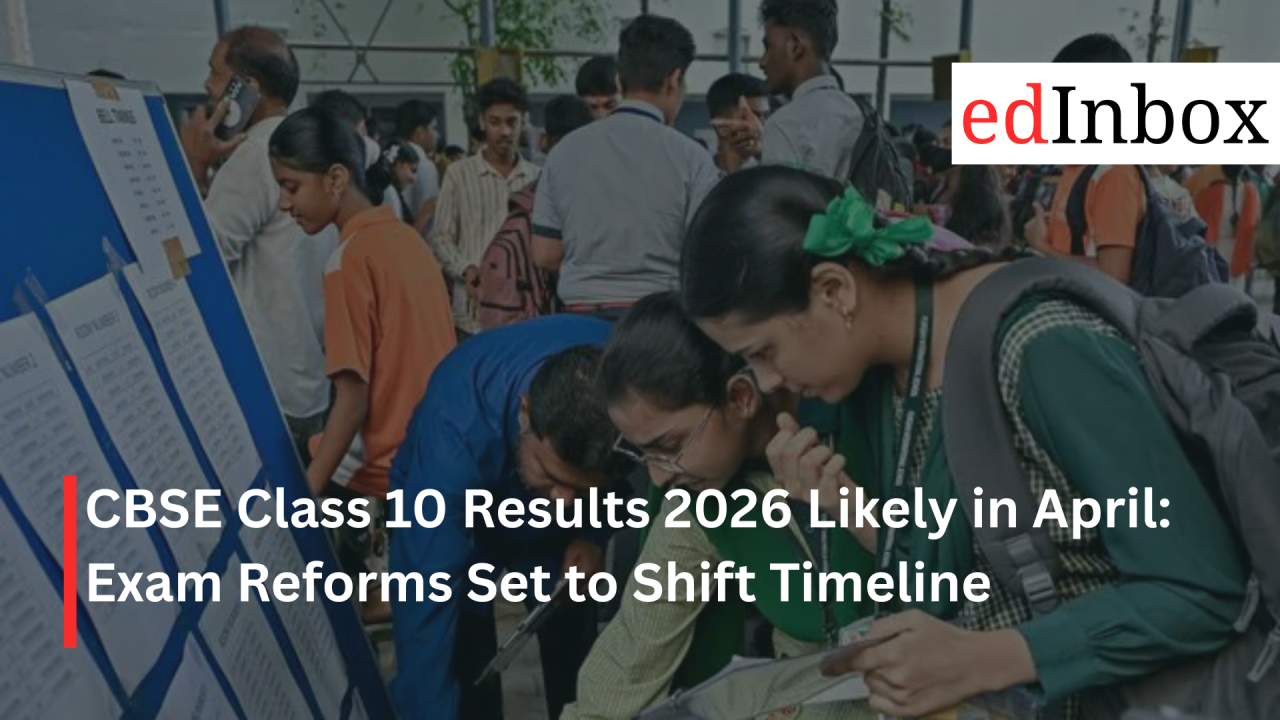
The Central Board of Secondary Education is expected to announce Class 10 results for 2026 earlier than usual, potentially by mid to late April instead of the traditional May schedule. The anticipated shift is driven by major structural changes in the examination system, including a new two-phase format and expanded digital evaluation processes.
This year marks the introduction of a two-exam system for Class 10. The first phase was conducted from February 17 to March 6, while an optional second phase is scheduled between May 5 and May 20. Students are allowed to improve their scores in up to three subjects, with the best marks considered final. However, those absent in three or more subjects in the first phase will not be eligible for the second attempt. The revised format has created the need for quicker result declaration to allow students sufficient time for admissions and preparation.
To support this accelerated timeline, CBSE has significantly scaled up digital evaluation. Answer sheets are now assessed through on-screen marking, reducing errors and speeding up processing. Integration with DigiLocker will enable students to access their marksheets quickly, even during heavy website traffic, using a secure six-digit PIN provided by schools.
The move aligns with the vision of the National Education Policy 2020, which emphasises flexibility and reduced exam stress. Early results will allow students to proceed with Class 11 admissions without waiting for the second phase, while also giving those dissatisfied with their performance an opportunity to improve scores in May.
Looking at past trends, CBSE recorded a 93.60% pass rate in 2025, with girls outperforming boys and southern states leading in performance. The board also continued its no-toppers policy to reduce unhealthy competition.
If successful, this early result model could become a permanent feature. However, any logistical challenges or concerns over increased academic pressure may prompt CBSE to recalibrate the system in future years.