
The geography of Uttar Pradesh's schoolbooks for the upcoming academic year is distinctly local, with familiar names, sounds, symbols, and stories taking the place of far-off allusions. The revamped State Class IV Textbooks are essentially a Cultural Tour Guide for Students, starting from the Streets of Ayodhya and ending up in the Courtyards of a Village’s Home.
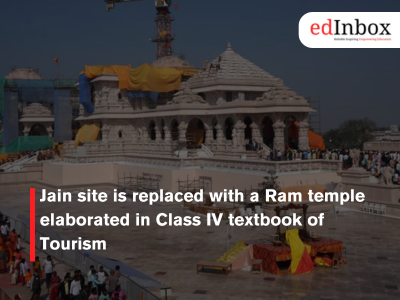
More than one lakh Council Managed Primary Schools in Uttar Pradesh will begin using these modified NCERT Textbooks in the school year 2026-2027. The modifications will appropriate the socio-economic environment and cultural background of the local area into the Treasuries of Students. The math book Ganit Mela contains one of the most notable changes. Ayodhya's Shri Ram Temple, a landmark now essential to the State's modern identity, has replaced an example of a Jain temple in Karnataka in a chapter about numbers all around us. The visible anchor is now closer to home, but the math is still the same.
In other places, the textbooks resemble a leisurely stroll through the towns and farms of Uttar Pradesh. Southern Indian names and settings have been subtly substituted in Hindi environmental studies and art: Gudappa becomes Ganesh, Muniamma becomes Meena, and aonla trees replace coconut palms. Narratives have also been redirected. Tales of resiliency and morality, such as Hausla and Satya Ki Jeet, which are based on the story of Satyavadi Harishchandra, have taken the role of lessons like Aasman Gira and Golgappa.
The art textbook Bansuri has been exalted now as an artwork that embodies the State's creative traditions. The students can visualise Chauk Purana rangolis (from Uttar Pradesh) not just as patterns that are typically found in kolams in other parts of India, but as actual images; and some of the pictures showcase the Banaras gharana through the images of Pandit Chhannulal Mishra and Girija Devi. In addition to being symbols of the region, Kajri, Barahmasa and Ganga Geet serve to replace the more westernised styles of music that students might have otherwise listened to.
Environmental studies take the journey to its final destination with the lessons about the State flower, traditional foods, and ecosystems that are already somewhat familiar. As Rajendra Pratap, the principal of the State Institute of Education, points out, the revisions are meant to provide an embedded learning experience with the local community—transforming textbooks into the windows of the world that children see just outside their classroom door.
Jain site is replaced with a Ram temple elaborated in Class IV textbook of Tourism
Typography
- Smaller Small Medium Big Bigger
- Default Helvetica Segoe Georgia Times
- Reading Mode