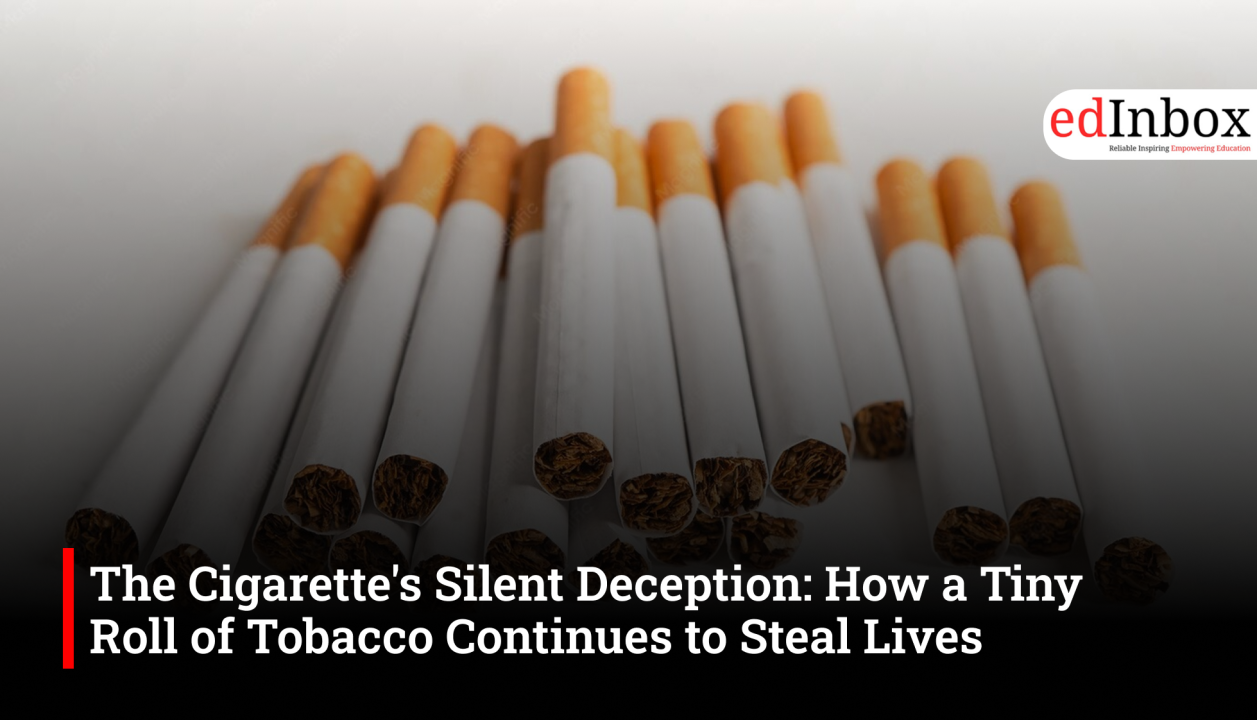
Every year, millions of people light a cigarette believing it offers a moment of relaxation, relief or pleasure. Yet hidden behind that brief ritual is one of the most efficient disease-delivery systems ever created.
A cigarette may appear harmless—a small roll of tobacco wrapped in paper—but science tells a very different story. According to public health experts, each cigarette contains more than 5,000 chemicals, hundreds of which are toxic and at least 70 known carcinogens capable of causing cancer.
The danger begins with the very first puff.
Within seconds, nicotine reaches the brain and triggers the release of dopamine, the chemical associated with pleasure and reward. The smoker experiences a temporary sense of calm or satisfaction. But that feeling is short-lived. As nicotine levels drop, cravings emerge, creating a cycle of dependence that can last for decades.
"Many smokers believe cigarettes help them cope with stress," explains Dr. Amit Dias, Assistant Professor in the Department of Preventive and Social Medicine at GMC. "In reality, smoking often relieves the withdrawal symptoms caused by nicotine addiction itself."
Beyond nicotine lies a cocktail of harmful substances. Tar accumulates in the lungs, carbon monoxide deprives tissues of oxygen, formaldehyde damages cells, while arsenic, benzene, cadmium and hydrogen cyanide silently attack multiple organs. Over time, these chemicals trigger chronic inflammation, DNA damage, impaired immunity and irreversible tissue destruction.
The health consequences are devastating.
Smoking is linked to nearly 90 percent of lung cancer cases and significantly increases the risk of cancers affecting the mouth, throat, pancreas, bladder, kidney, stomach and cervix. It also remains a major contributor to heart attacks, strokes and peripheral arterial disease by damaging blood vessels and accelerating the build-up of arterial plaque.
The respiratory system bears some of the earliest scars. Chronic smokers often develop chronic obstructive pulmonary disease (COPD), emphysema and chronic bronchitis, conditions that gradually rob individuals of their ability to breathe comfortably.
The damage extends beyond smokers themselves.
Second-hand smoke exposes family members, co-workers and children to the same toxic chemicals. Children living in smoking households face higher risks of asthma, respiratory infections and ear diseases, despite never choosing to smoke themselves. Public health experts stress that there is no safe level of exposure to second-hand smoke.
In recent years, electronic cigarettes and vaping devices have emerged as alternatives to conventional smoking. Marketed as cleaner and safer, these products have attracted millions of users, particularly young people. While vaping may expose users to fewer combustion-related toxins than traditional cigarettes, health experts caution against viewing them as harmless.
Most vaping products still contain nicotine, and their aerosols can carry heavy metals, toxic compounds and ultrafine particles. The long-term health consequences remain uncertain. More concerning is the growing popularity of flavoured products among adolescents, raising fears of a new generation becoming addicted to nicotine.
For decades, tobacco companies carefully cultivated the image of smoking as glamorous, sophisticated and rebellious. Films, advertisements and celebrity endorsements transformed cigarettes into symbols of confidence and independence. But behind the marketing lies a stark reality: tobacco addiction kills millions globally every year.
The encouraging news is that the body begins to heal almost immediately after quitting. Within 20 minutes, heart rate and blood pressure start returning to normal. Within weeks and months, circulation and lung function improve. After a year, the risk of heart disease falls significantly, while long-term cancer and stroke risks continue to decline over time.
Public health specialists emphasize that quitting is often a journey rather than a single event. Many smokers require multiple attempts before achieving lasting success, and setbacks should be viewed as part of the recovery process rather than failure.
As the world observes efforts to reduce tobacco use, the message from healthcare professionals remains clear: tobacco is not merely a personal habit—it is a public health challenge that affects families, communities and future generations. Combating it requires awareness, strong public policies, accessible cessation support and a collective commitment to replacing myths with science.
The cigarette's greatest deception is its appearance of harmlessness. In reality, every puff carries a biological cost. Understanding that truth may be the first step toward a healthier future.
Dr. Amit Dias
The Cigarette's Silent Deception: How a Tiny Roll of Tobacco Continues to Steal Lives
Typography
- Smaller Small Medium Big Bigger
- Default Helvetica Segoe Georgia Times
- Reading Mode