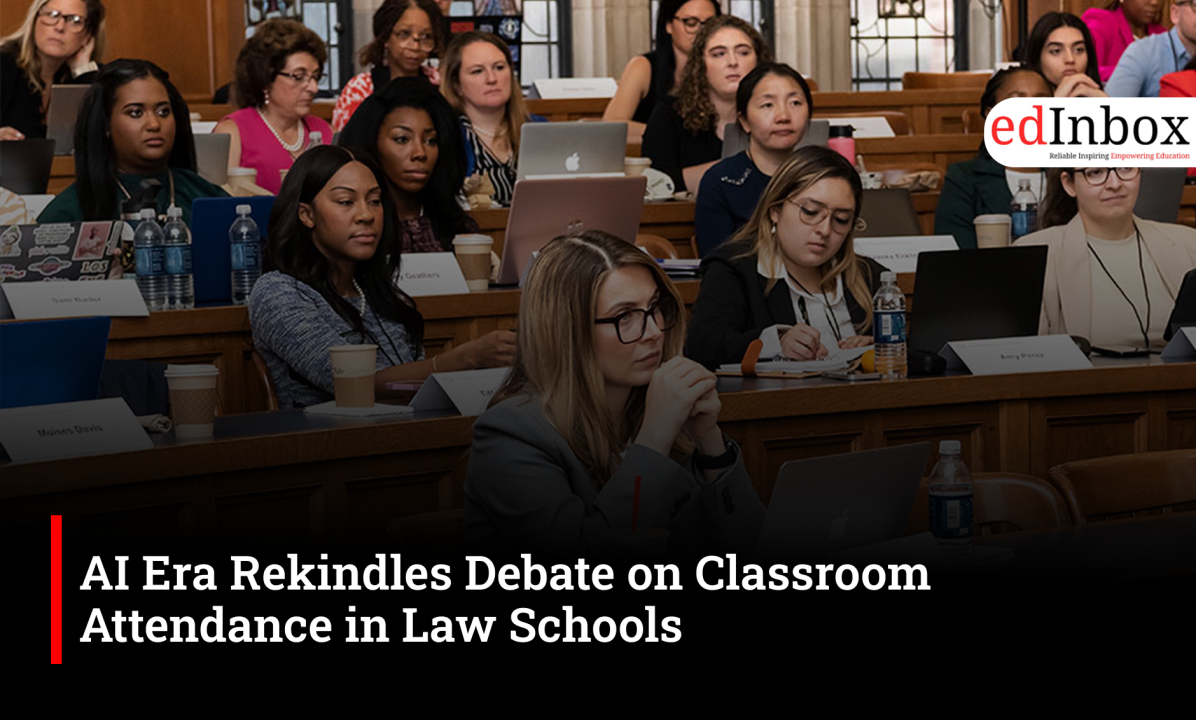
The debate over compulsory classroom attendance in law schools has gained fresh relevance in the age of artificial intelligence, following the Supreme Court's decision to stay a ruling of the Delhi High Court concerning attendance requirements. While the stay does not settle the issue, legal education experts believe it provides an opportunity to re-examine the purpose of classroom learning in professional education.
At the heart of the discussion lies a fundamental question: if students can access lectures, legal databases, case summaries and even AI-powered research tools from anywhere, does physical attendance in a law school still matter?
Supporters of attendance requirements argue that legal education extends beyond acquiring information. Classrooms provide a space for debate, questioning, ethical reflection and the development of professional judgment—skills that cannot be fully replicated through digital tools. Legal training, they contend, involves learning how to think, argue and engage with differing viewpoints, rather than merely consuming knowledge.
The debate has drawn comparisons with the ideas of French philosopher Jean-Paul Sartre, who emphasized human interaction, responsibility and lived experience as essential elements of learning and personal growth. In this context, the classroom is viewed not merely as a venue for lectures but as a space where students encounter diverse perspectives and develop their professional identity.
Advocates of greater flexibility, however, argue that rigid attendance rules may not reflect the realities of modern education. Many law students balance internships, research projects and competitive examinations alongside their academic commitments. They believe learning outcomes, rather than physical presence, should be the primary measure of educational success.
As AI continues to transform higher education, the conversation is increasingly shifting from whether attendance should be mandatory to how law schools can create classroom experiences valuable enough that students choose to attend. The Supreme Court's intervention has reopened a wider debate about the future of legal education and the role of human interaction in an increasingly digital world.
AI Era Rekindles Debate on Classroom Attendance in Law Schools
Typography
- Smaller Small Medium Big Bigger
- Default Helvetica Segoe Georgia Times
- Reading Mode