
Usually chocolate is the first thing we think of when talking about indulgence, comfort and celebrations. But every chocolate bar has a tale that is not often told, the environmental cost of its production. From carbon emissions to deforestation and water use, chocolate production has a bigger environmental impact than most consumers realise. Furthermore, as the effects of climate change continue, the sustainability of the cocoa and chocolate industry is a matter of serious debate worldwide.
The Environmental Impact of Chocolate
There are quite a few reasons for which industrial chocolate production has a high carbon footprint, but the most substantial are agriculture and deforestation. For 1 kg of chocolate, the amount of total greenhouse gas emissions is about 47 kg CO2e. The life cycle analysis of 40g milk chocolate bar reveals that nearly 200g of CO2e is emitted for the production of the bar (mostly caused by land use change, and limited but significant processing and supply chain factors) carbon emissions mostly come from land, use change, along with processing and supply chain factors.
Take a look at nature's carbon cycle, for instance, to grasp the scale of this effect. A fully grown tree captures around 22 kilograms of CO2 per annum. Multiply this by the vast number of chocolate bars eaten worldwide, and the environmental price begins to stand out.
The Environmental Problems Associated with Growing Cocoa
The sustainability discussion regarding chocolate is not just about declarations.
Water footprint, To make a 100, gram chocolate bar, almost 1, 000 litres of water are needed. On the other hand, the same water could yield much bigger amounts of other types of crops.
Deforestation, Most of the world's cocoa production has come at the cost of forest clearance. Soil deterioration and chemical dependency, Mono, cropping and use of chemicals lead to soil pollution and herbicide resistance.
Exploitation of children, There have been cases of child labour in the cocoa plantations of various regions. Packaging pollution, Chocolate bars are often wrapped in single, use plastic which ends up in rubbish dumps.
Considering all these factors, it is no surprise that the chocolate industry has been singled out and called upon to make a switch to more eco-friendly production methods.
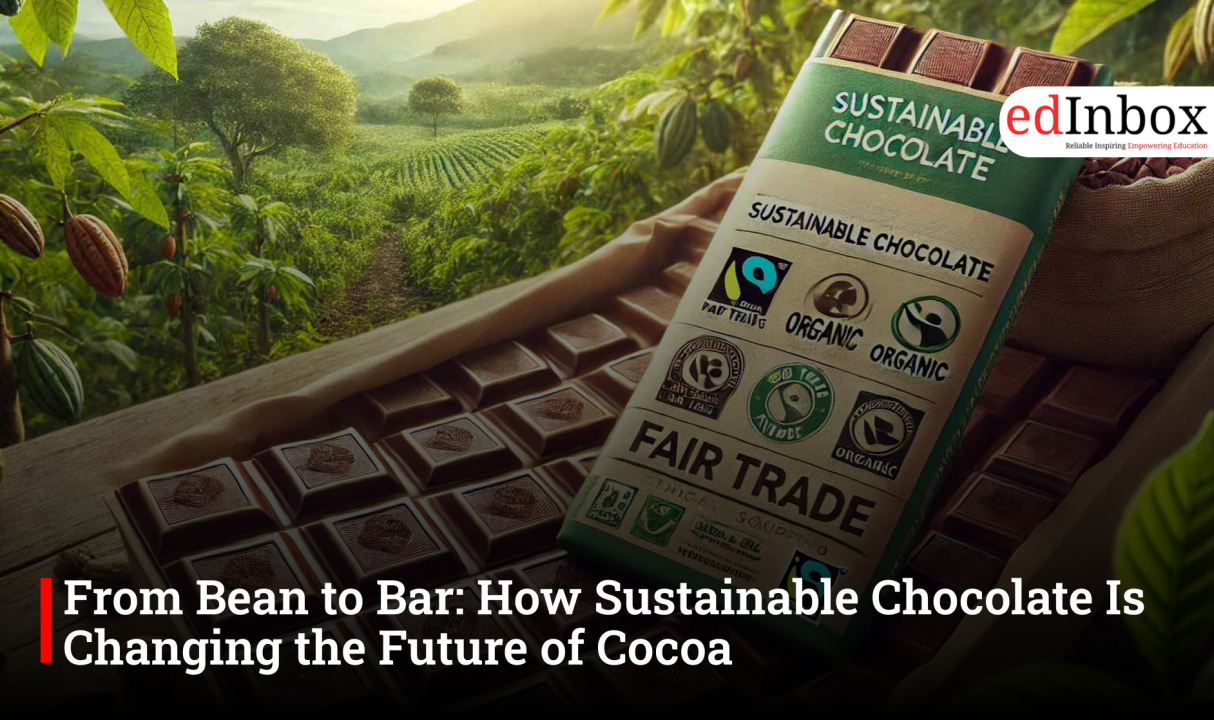
A Shift Toward Sustainable Chocolate
In response, some emerging chocolate brands are trying to reshape how cocoa is produced, processed and packaged. The goal is to move towards zero-waste production, reduced carbon footprints and ethical supply chains.
Sustainable chocolate initiatives focus on several key areas:
- Supporting environmentally responsible cocoa farming
- Reducing plastic packaging and encouraging recycling
- Promoting ethical labour practices
- Minimising waste throughout the production cycle
- Encouraging mindful consumption rather than over-indulgence
This shift aligns closely with the United Nations Sustainable Development Goals (SDGs), which call for responsible consumption, climate action and sustainable industry practices.
Rethinking Chocolate Consumption However, the sustainability advocates are not giving an ultimatum to the chocolate lovers by asking them to stop consuming it. Rather, they are inviting them to be mindful when consuming chocolate i.e., to recognize chocolate as an art product instead of a product for mass consumption.
In essence, it is no different from the culture of fine coffee or artisanal tea i.e., you consume less but with a deeper level of appreciation and are more aware of the origin.
The Future of Climate, Responsible Chocolate In the face of ongoing climate change, the chocolate industry finds itself at a crossroads. Effective implementation of sustainable agricultural practices, responsible sourcing of products and green packaging may be the determining factors not only in sustaining cocoa production but also allowing it to thrive for years to come.
With regard to chocolate consumers, the takeaway is clear: behind every chocolate bar is a journey encompassing the farmer and the environment. Opting for chocolates made from sustainable production and moderating their consumption are two ways that might pave the way for future generations to savor one of the world's most popular indulgences, without damaging our planet's health.
From Bean to Bar: How Sustainable Chocolate Is Changing the Future of Cocoa
Typography
- Smaller Small Medium Big Bigger
- Default Helvetica Segoe Georgia Times
- Reading Mode