Nearly 200 contractual employees at the National Council of Educational Research and Training (NCERT) have allegedly gone without salaries for the past four months, triggering severe financial hardship and raising concerns over delays in the implementation of key government education initiatives. The employees, who work on flagship programmes such as DIKSHA, PM e-VIDYA, Jaadui Pitara and other projects under Samagra Shiksha, say they are struggling to repay loans, pay rent, meet children's school expenses and manage day-to-day household costs as salary disbursements remain stalled.

The affected staff are engaged under Project Approval Board (PAB)-approved programmes funded by the Union Ministry of Education. Spread across various NCERT departments in New Delhi, they contribute to curriculum development, digital education, teacher training and other school education initiatives that support the implementation of the National Education Policy (NEP) 2020.

Employees, speaking on the condition of anonymity, described the prolonged salary delay as financially devastating.

One contractual employee said she is the sole earning member of her family and has been unable to pay her home loan instalments for months. With penalties mounting due to missed EMI payments, she has been forced to borrow money from friends to survive in Delhi while continuing to support her mother financially.

Another employee said the lack of salary had pushed his family into a difficult situation. Living in Delhi with his wife and children in rented accommodation, he said he had taken loans to cover essential expenses, including rent, children's school fees and household necessities, while waiting for pending salary payments.

According to the employees, their contracts expired on March 31 but were subsequently extended first until June and later until September. Despite the extensions, salaries for April, May, June and July have not been released. They claim that repeated inquiries with project coordinators and departmental heads yielded the same response—that funds from the Ministry of Education have not yet been released and certain administrative approvals remain pending.

"The administration keeps informing us that the ministry has not released the required funds and they are unable to indicate when salaries will be credited," one employee said.

Responding to media queries, NCERT Director Dinesh Saklani acknowledged the issue and said he had instructed the concerned departments to examine the matter immediately. However, he did not elaborate on the reasons behind the payment delay or provide a timeline for clearing the pending salaries.

The Union Ministry of Education has not yet issued an official response regarding the delay or clarified when the contractual employees will receive their dues.

The salary crisis comes despite an increase in NCERT's overall allocation in the Union Budget 2026-27, which rose by nearly 15%, from ₹593.71 crore in 2025-26 to ₹681.79 crore in the current financial year. However, the Project Approval Board (PAB) allocation for NCERT's Annual Work Plan, which supports Samagra Shiksha and other centrally funded school education programmes, declined by nearly 22%, falling from ₹677.13 crore to ₹529.71 crore.

Employees believe the delayed approval of the Annual Work Plan and Budget (AWP&B) significantly contributed to the funding bottleneck. The PAB meeting for the 2026-27 financial year was held on June 12, nearly two months later than the previous year's meeting, which took place in April. According to staff members, the delayed approval slowed the release of project funds and disrupted salary payments.

They also pointed to recent ministry directives aimed at rationalising expenditure and optimising human resources. The official PAB meeting minutes recommend engaging external personnel only when necessary and reducing costs across several programmes. Although these recommendations do not directly attribute the salary delays to cost-cutting measures, employees believe they have contributed to the prolonged uncertainty.

The ongoing payment crisis has raised concerns about employee morale and the smooth execution of several nationally important education initiatives. With many contractual professionals continuing to work despite months without pay, stakeholders are urging the Ministry of Education and NCERT to expedite pending approvals and release salaries to prevent further disruption to India's school education programmes.
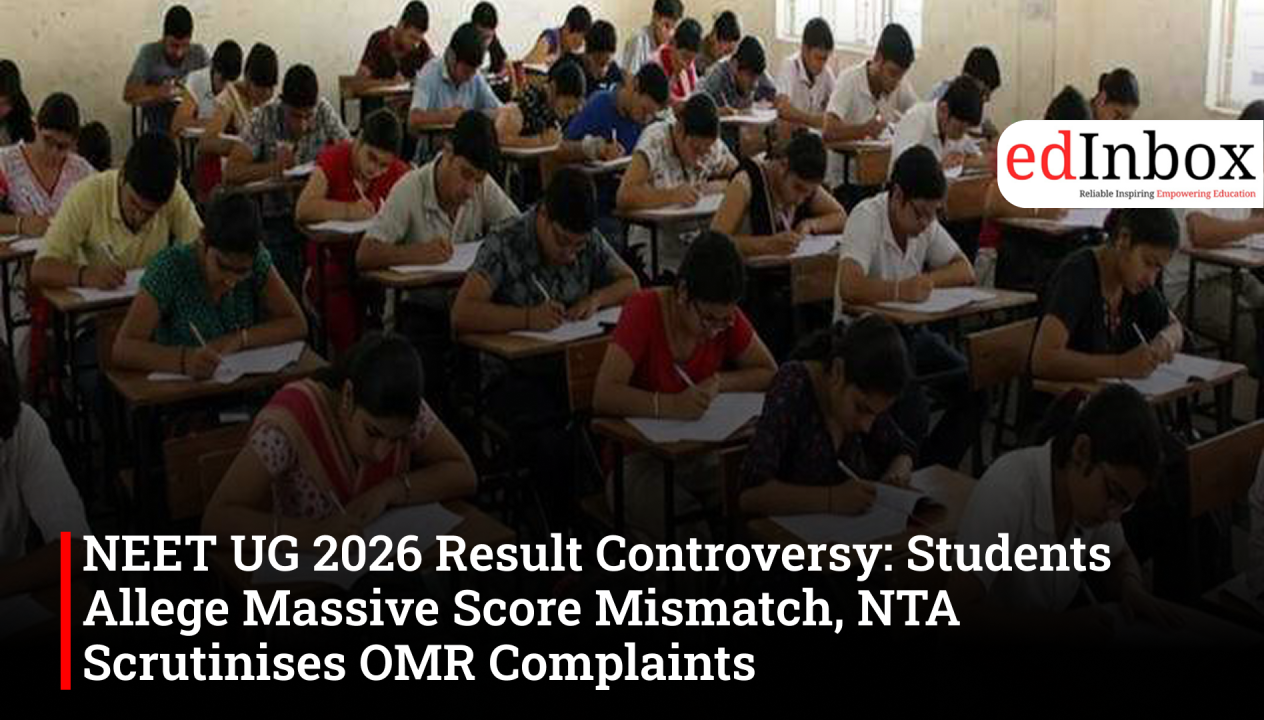


The NEET UG 2026 result controversy has intensified after several candidates claimed that their official scores were drastically lower than what they had calculated using the provisional answer key. From aspirants expecting more than 600 marks receiving scores below 200, to one student claiming she expected 640 marks but was awarded only 38, the allegations have triggered widespread concern over the accuracy of the NEET UG 2026 re-exam results. In response, the National Testing Agency (NTA) has said it is examining every complaint while warning that anyone submitting fake or AI-generated OMR sheets during the verification process could face legal action.

The controversy emerged soon after the NTA announced the NEET UG 2026 re-examination results on July 16. The re-test, conducted on June 21, followed the cancellation of the original May 3 examination after allegations of a question paper leak. Around 11.21 lakh candidates qualified for admission to nearly 1.37 lakh MBBS seats, along with undergraduate dental, AYUSH and allied health programmes across the country.

However, soon after the results were declared, social media platforms were flooded with posts from students alleging significant discrepancies between their expected and official scores.

Among the most widely discussed cases is that of Lucknow-based aspirant Pratibha Trivedi, who claimed she had estimated around 640 marks after matching her responses with the provisional answer key but received only 38 marks in the official result. She said she had emailed the NTA multiple times but had not yet received a response.

Similarly, Arya Singh from Kanpur alleged that while her self-evaluation indicated 609 marks, the result portal initially displayed 540 marks before later dropping to 167 marks. Another candidate, Lakshya Singh from Ranchi, claimed his expected score of around 660 marks was reflected as only 116 marks in the final result. He maintained that the OMR sheet he submitted for verification was genuine and carried the required barcode, thumb impression and signature.

The authenticity of these individual claims has not been independently verified, but they have fuelled demands for greater transparency in the evaluation process.

Addressing the growing concerns, the NTA stated on social media that it is closely scrutinising all complaints related to the NEET UG 2026 results. The agency said it had found several OMR sheets submitted for verification to be manipulated and cautioned students and parents against uploading fake or AI-generated documents. According to the agency, any attempt to submit fabricated evidence may invite legal action.

An official from the Union Education Ministry also confirmed that an inquiry into the complaints is underway. The ministry is expected to release details regarding the number of grievances received and how many involve suspected fraudulent or manipulated OMR sheets in the coming days.

Education experts have urged candidates not to jump to conclusions until the investigation is completed. Keshav Agarwal, Vice-President of the Coaching Federation of India, said discrepancies could arise due to factors such as incorrect mapping of question paper codes, software-related issues or manipulation of OMR images in some cases. He advised students with genuine grievances to use the NTA's official complaint mechanism and await the outcome of the verification process.

The issue has also sparked a political debate. Opposition leaders have criticised the NTA over recurring examination controversies, questioning its ability to conduct high-stakes national entrance examinations transparently. They have demanded greater accountability and reforms in the examination system.

Meanwhile, the Central Bureau of Investigation (CBI) continues to probe the alleged NEET paper leak that led to the cancellation of the original examination. Thirteen people have been arrested so far, and the agency is expected to file its charge sheet later this month.

As thousands of medical aspirants await clarity, the NTA's scrutiny of complaints is expected to determine whether the reported score discrepancies stem from isolated cases, technical errors, or other factors. The findings are likely to play a crucial role in restoring confidence in one of India's largest medical entrance examinations.


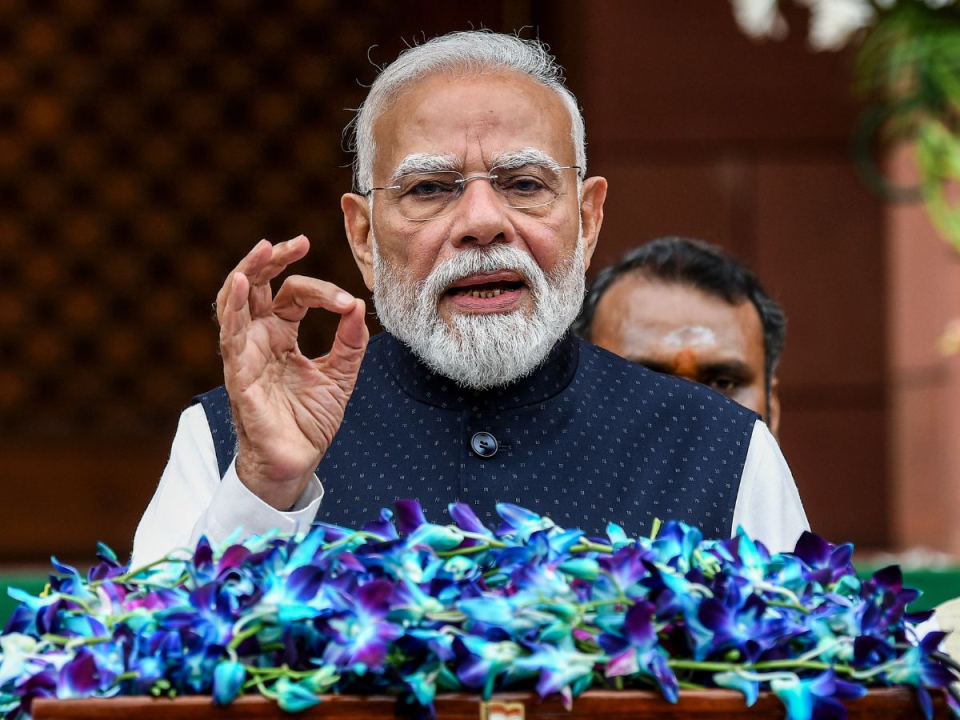
Prime Minister Narendra Modi has said that preventing examination paper leaks is a "national responsibility" and called for the strictest possible punishment for those responsible for the alleged NEET paper leak, according to Union Parliamentary Affairs Minister Kiren Rijiju.

Speaking to reporters after the NDA Parliamentary Party's 'Mangal Milan' meeting on Tuesday, Rijiju said the Prime Minister stressed the need to build a foolproof examination system through collective efforts.

"The Prime Minister said that preventing paper leaks is a national responsibility and those responsible should face the strictest possible punishment," Rijiju said while briefing the media after the meeting.

According to Rijiju, the Prime Minister also urged NDA allies to remain united in supporting legislative business and appealed to opposition parties to cooperate in Parliament. He said the Prime Minister noted that while political differences may exist, all Members of Parliament share the responsibility of working for the country's future and the welfare of young people.

PM Says Government Acted Swiftly After NEET Paper Leak Reports

Rijiju said the Prime Minister highlighted that the government acted immediately after reports of the alleged NEET paper leak surfaced, leading to arrests and action against those involved.

According to the Minister, the Prime Minister also said that a re-examination was conducted without delay to ensure that students' academic futures were not adversely affected.

The Union Education Ministry has also launched a dedicated online platform where members of the public can report suspicious claims, unauthorised content and alleged fraudulent activities related to the NEET examination.

CBI Continues Investigation

The Central Bureau of Investigation (CBI) is investigating the alleged paper leak case. According to the investigation, the agency has arrested the alleged "kingpin" behind the leak, identified as a chemistry lecturer associated with the examination process conducted by the National Testing Agency (NTA).

The investigation is ongoing.

Protests Continue Over Alleged Examination Irregularities

The Prime Minister's remarks came a day after protests over alleged irregularities in competitive examinations, including the NEET paper leak, drew national attention.

Student protesters, led by the Cockroach Janta Party (CJP), have been demanding the resignation of Union Education Minister Dharmendra Pradhan over the alleged examination irregularities.

On Monday, protests near Parliament witnessed clashes with police after demonstrators attempted to march towards Parliament. Protesters alleged that police used force, while authorities intervened to prevent the march.

The protests followed the hospitalisation of activist Sonam Wangchuk, whose 21-day hunger strike ended after he was taken to hospital on Saturday. Wangchuk later said he would continue his fast from the hospital.

Separately, the CJP said two of its representatives met Union Health Minister J.P. Nadda and submitted a memorandum outlining their demands. Nadda confirmed that the meeting took place in what he described as a cordial atmosphere.

Opposition Raises NEET Issue in Parliament

The alleged NEET paper leak also echoed in Parliament on the opening day of the Monsoon Session, with Opposition members raising the issue alongside other matters, leading to disruptions in proceedings in both Houses.

The National Eligibility cum Entrance Test (NEET) is India's largest undergraduate medical entrance examination, taken by more than two million aspirants each year. The examination came under scrutiny after allegations of a paper leak emerged, prompting a re-examination for affected candidates and multiple investigations.


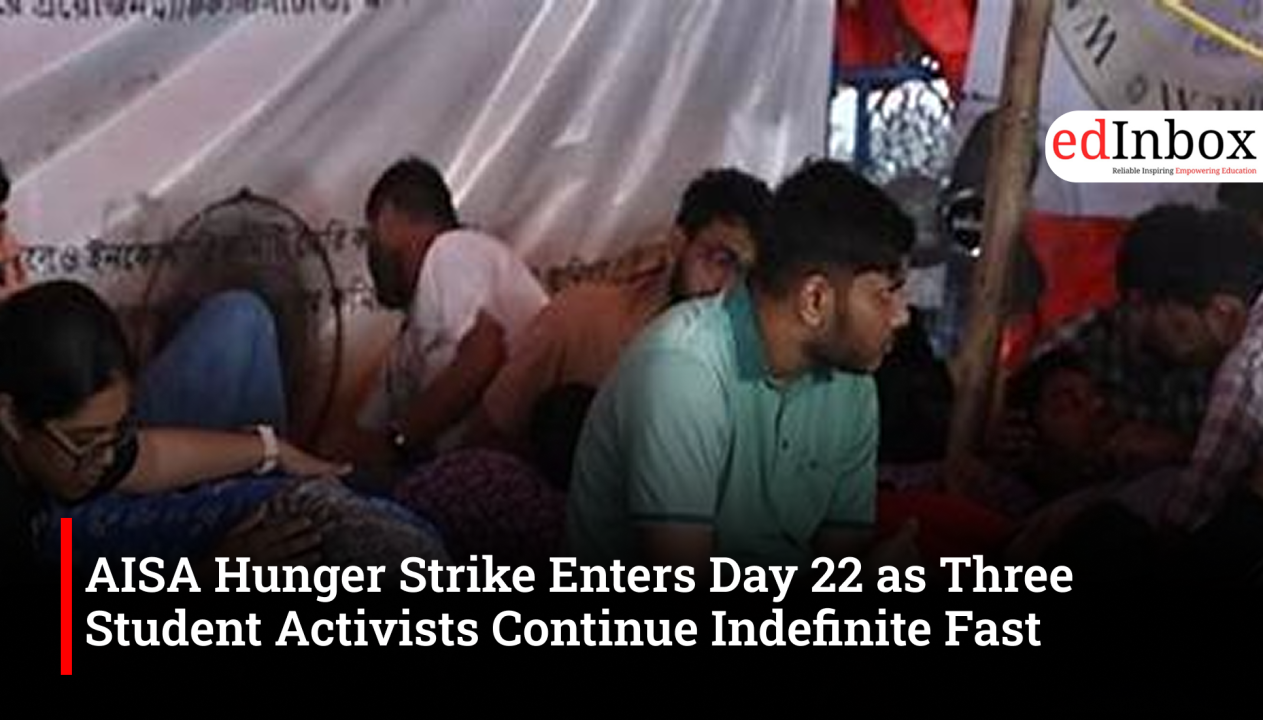
The indefinite hunger strike at Delhi's Jantar Mantar entered its 22nd day on Sunday, with Neha, Ameen Amitoj and Manish Kumar, three leaders associated with the All India Students' Association (AISA), continuing their protest despite growing concerns over their health. The demonstration intensified following the hospitalisation of activist Sonam Wangchuk on the previous day, while organisers confirmed that the planned July 20 Parliament march would proceed as scheduled.

The protest, demanding accountability from the Union Education Ministry, has drawn support from student groups, teachers' organisations and civil society members.

Three Student Activists Continue Fast

The three hunger strikers have remained at the protest site after Sonam Wangchuk was shifted to Delhi's Safdarjung Hospital on medical advice.

According to organisers:

  • Neha, AISA president and a PhD scholar in Theatre and Performance Studies at Jawaharlal Nehru University (JNU), reportedly began the fast at 66 kg and has lost 7.5 kg.
  • Ameen Amitoj, a PhD scholar in Urban Studies at Dr B.R. Ambedkar University Delhi and a participant in the 2020–21 farmers' protest, reportedly started at 69.3 kg and has lost 9.3 kg.
  • Manish Kumar, AISA's Uttar Pradesh president and a PhD scholar in Political Science at Allahabad University, reportedly began the fast at 85.7 kg and has lost 10.4 kg.

Doctors have continued monitoring their health, with fresh medical assessments expected as the fast extends beyond three weeks.

Protest Continues After Sonam Wangchuk's Hospitalisation

The protest gained renewed attention after activist Sonam Wangchuk was shifted from Jantar Mantar to Safdarjung Hospital on Saturday.

Delhi Police stated that the decision was taken following expert medical advice and in compliance with directions of the Delhi High Court because of concerns over his deteriorating health. Police said some protesters attempted to obstruct the transfer but denied allegations of a lathi charge or mass detention.

Wangchuk's wife, Gitanjali J. Angmo, said he continues his hunger strike in hospital, consuming only salt water. She questioned the necessity of shifting him, stating that the High Court had directed regular health monitoring rather than hospitalisation.

AISA Alleges Attempt to End Peaceful Protest

Addressing supporters, Neha alleged that police personnel in plain clothes and uniform attempted to remove the remaining hunger strikers after Wangchuk's transfer.

She claimed that volunteers prevented their detention and accused authorities of attempting to end what she described as a peaceful and democratic protest. Neha also appealed to students and citizens to join the ongoing movement, stating that the agitation would continue until their demands were addressed.

Parliament March Scheduled to Go Ahead

Organisers reiterated that the planned Parliament march on July 20 would proceed despite the developments.

The Cockroach Janta Party (CJP) also extended support to the agitation. Party chief Abhijeet Dipke, who has begun his own hunger strike, alleged that electricity supply at the protest site had been disrupted and claimed authorities were preparing for a crackdown. Delhi Police has not publicly responded to these allegations.

Teachers Extend Support

The Jawaharlal Nehru University Teachers Association (JNUTA) criticised the reported police action and expressed solidarity with the protesting students. The association described the movement as part of a broader struggle over the future of education in India while appealing to teachers nationwide to participate in Monday's Parliament march.

At the same time, JNUTA urged those on an indefinite fast to consider alternative forms of protest that would allow the movement to continue without further risking their health.


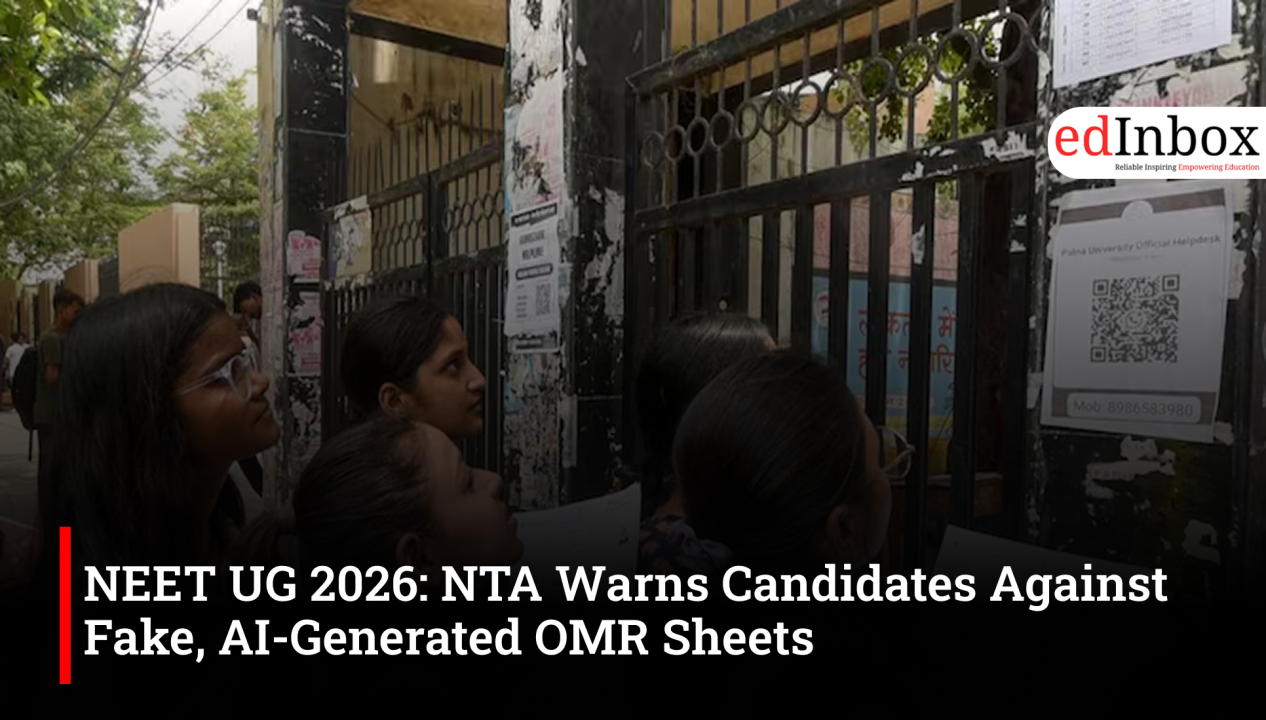
The National Testing Agency (NTA) has issued a strong advisory to NEET UG 2026 candidates and their parents, cautioning them against submitting fake or AI-generated OMR sheets while filing complaints related to score discrepancies. The examination authority warned that the submission of forged documents could invite legal action.

The advisory comes after the NTA examined several representations from candidates who claimed that their declared NEET UG 2026 scores did not match their expected marks.

NTA Detects Fake and AI-Generated OMR Sheets

According to the NTA, many of the OMR sheets attached to complaints during the verification process were found to be fabricated or generated using artificial intelligence (AI) rather than being authentic copies of candidates' answer sheets.

The agency stated that such submissions are misleading and interfere with the grievance redressal process. Candidates have been advised to rely only on official records available through NTA while reporting any discrepancies.

Legal Action May Be Initiated

The NTA has warned that submitting fake documents, manipulated OMR sheets, or AI-generated images to support complaints is a serious matter and may result in appropriate legal action against those responsible.

The agency urged students and parents to avoid misinformation and refrain from sharing or relying on unofficial documents circulating on social media or messaging platforms.

Advisory Issued After Score Discrepancy Complaints

The warning follows a series of complaints from candidates who alleged differences between their expected NEET UG 2026 marks and the scores declared by the NTA.

While examining these representations, officials found that several supporting OMR sheets did not match the official records, prompting the agency to issue a public advisory.

The NTA reiterated that every complaint is verified against the original examination records before any decision is taken.

Candidates Asked to Use Official Channels

The examination authority has advised candidates to:

  • Use only the official NTA OMR sheet and response records while submitting grievances.
  • Avoid uploading edited, fabricated, or AI-generated documents.
  • Report score-related issues only through the prescribed NTA grievance mechanism.
  • Ignore misleading claims or unofficial content circulating online.

The NTA emphasized that genuine concerns will continue to be examined through established verification procedures to ensure fairness and transparency.

NTA Reaffirms Commitment to Examination Integrity

The advisory underscores the NTA's commitment to maintaining the credibility of NEET UG 2026, one of India's largest medical entrance examinations. By cautioning candidates against the use of manipulated documents, the agency aims to protect the integrity of the evaluation process and ensure that grievances are addressed based solely on authentic examination records.


With the NEET UG 2026 Result declared on July 16, aspirants are now awaiting the commencement of the NEET UG 2026 counselling process. The Medical Counselling Committee (MCC) is expected to release the counselling schedule shortly on its official website, mcc.nic.in, for admissions under the 15% All India Quota (AIQ), Deemed Universities, Central Universities, and other participating institutions.

Last year, the first round of NEET UG counselling began on July 21, and a similar timeline is expected this year.

The National Testing Agency (NTA) has stated that the results were announced on schedule to ensure that the medical admission and counselling calendar remains on track.

Over 11.21 Lakh Candidates Qualified

According to the NTA, nearly 20 lakh candidates appeared for NEET UG 2026 at 5,440 examination centres across 551 cities in India and 14 international cities.

Out of them:

  • 11.21 lakh candidates qualified for admission to undergraduate medical, dental, AYUSH, and allied health courses.
  • More than 58% of the qualified candidates are women.
  • Most successful candidates belong to the 17–19 years age group.
  • Aryan Gupta (Punjab) and Panshul Bansal (Haryana) jointly secured the highest score of 715 out of 720.

NEET UG 2026 Counselling Process

The MCC NEET UG 2026 counselling is expected to be conducted in four rounds, following the previous admission pattern:

  1. Round 1
  2. Round 2
  3. Round 3 (Mop-Up Round)
  4. Stray Vacancy Round

Separate counselling will also be conducted by individual states for 85% State Quota seats, while MCC will manage admissions under the 15% All India Quota, Central Universities, Deemed Universities, ESIC, AFMS (where applicable), and other participating institutes.

How to Register for NEET UG 2026 Counselling

Once registration begins, candidates should follow these steps:

  1. Visit the official MCC counselling portal.
  2. Register using the NEET UG 2026 application details.
  3. Fill in the required personal and academic information.
  4. Pay the prescribed counselling registration fee.
  5. Choose and arrange preferred medical and dental colleges and courses.
  6. Lock the choices before the deadline.
  7. Download the confirmation page for future reference.

Candidates are advised to carefully research colleges before locking their preferences, as seat allotment largely depends on these choices.

NEET UG 2026 Seat Allotment Process

After each counselling round, seats will be allotted based on:

  • NEET UG 2026 rank
  • Candidate's category
  • Reservation policy
  • Choice filling and preference order
  • Availability of seats
  • Applicable admission rules

Candidates who are allotted a seat must report to the allotted institute within the specified timeline for document verification and completion of admission formalities.

Documents Required for Counselling

Candidates should keep the following documents ready:

  • NEET UG 2026 Admit Card
  • NEET UG 2026 Scorecard/Rank Letter
  • Class 10 Certificate (Date of Birth proof)
  • Class 12 Mark Sheet and Passing Certificate
  • Valid Photo ID
  • Passport-size photographs
  • Category Certificate (if applicable)
  • PwD Certificate (if applicable)
  • Domicile Certificate (for State Quota admissions, if required)

Additional documents may be requested by the counselling authority or allotted institution.

What Candidates Should Do Now

While waiting for the official counselling notification, candidates should:

  • Regularly check the MCC website for counselling dates.
  • Keep all original documents and photocopies ready.
  • Shortlist preferred colleges and courses based on rank and previous years' cut-offs.
  • Stay informed about both All India Quota and State Quota counselling schedules.

The NEET UG 2026 counselling schedule is expected to be released shortly, marking the next crucial step for lakhs of aspiring medical students seeking admission to MBBS, BDS, AYUSH, and allied health programmes across India.


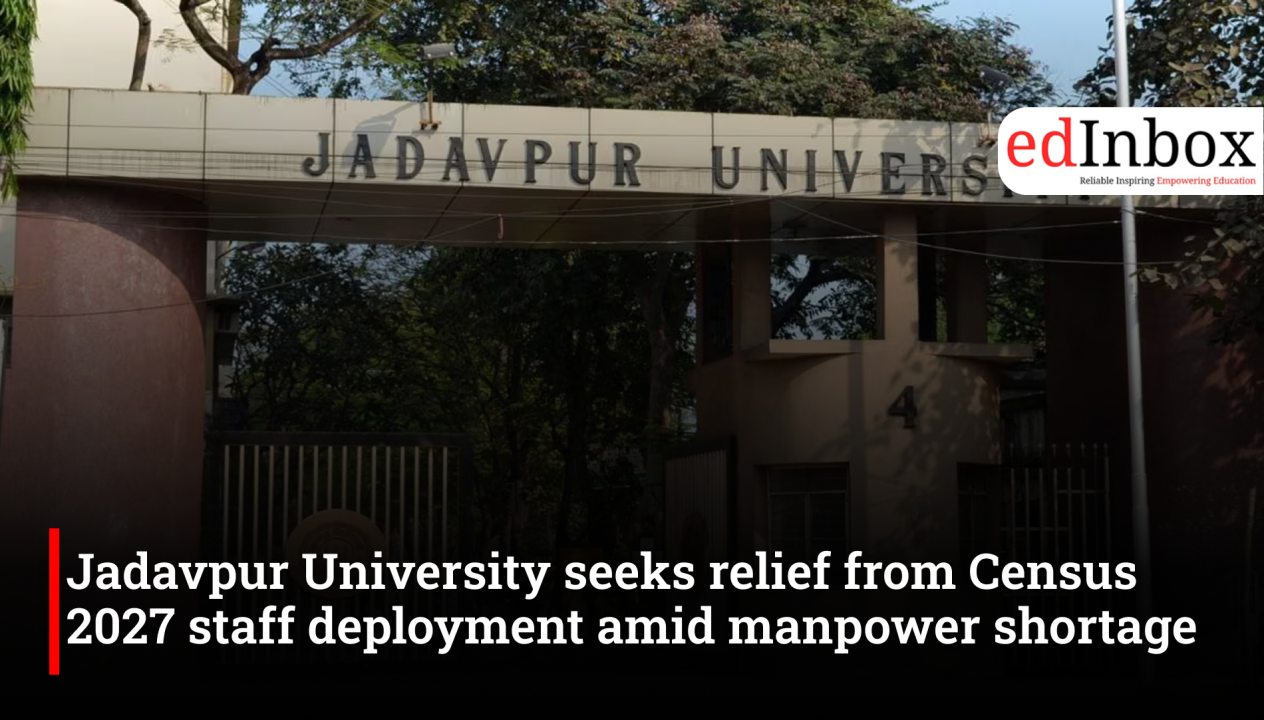
Jadavpur University (JU) has appealed to the Kolkata Municipal Corporation (KMC) to reduce or exempt the deployment of its non-teaching staff for Census 2027, citing severe manpower shortages that could disrupt the institution's academic and administrative functioning.

In a letter addressed to KMC Commissioner Smita Pandey, Vice-Chancellor Prof. Chiranjib Bhattacharjee requested that the number of university employees assigned as census enumerators be reconsidered to ensure the university's smooth operation.

According to the university, more than 200 non-teaching employees have been assigned duties related to Census 2027, raising concerns over the institution's ability to manage its day-to-day activities.

Highlighting the staffing crisis, Bhattacharjee stated that the university is currently operating with 685 vacant non-teaching posts, making it difficult to spare a large number of employees for census work without affecting essential services.

“The university is functioning under severe manpower constraints owing to 685 vacant non-teaching posts. Deployment of a significant number of university employees for census-related duties may considerably impact the smooth and uninterrupted functioning of the university,” the Vice-Chancellor said in the letter.

He acknowledged the national importance of Census 2027 but stressed that balancing census responsibilities with the university's core academic and administrative obligations would be extremely challenging under the current staffing situation.

The Vice-Chancellor also noted that assigning a substantial portion of the existing workforce to census duties could hamper routine university operations, including student services, examinations, administrative processes, and campus management.

This is not the first time the university has raised the issue. Earlier, Bhattacharjee had written to the City Census Officer of the Kolkata Municipal Corporation, making a similar appeal for either exemption or a reduction in the deployment of JU's non-teaching staff.

The university has urged the civic authorities to consider its staffing constraints while finalising personnel deployment for the nationwide population enumeration exercise.

The request comes as educational institutions across the country prepare to support Census 2027, one of India's largest administrative exercises. However, Jadavpur University maintains that any large-scale deployment of its already limited workforce could adversely affect its ability to deliver uninterrupted academic and administrative services.


More Articles ...