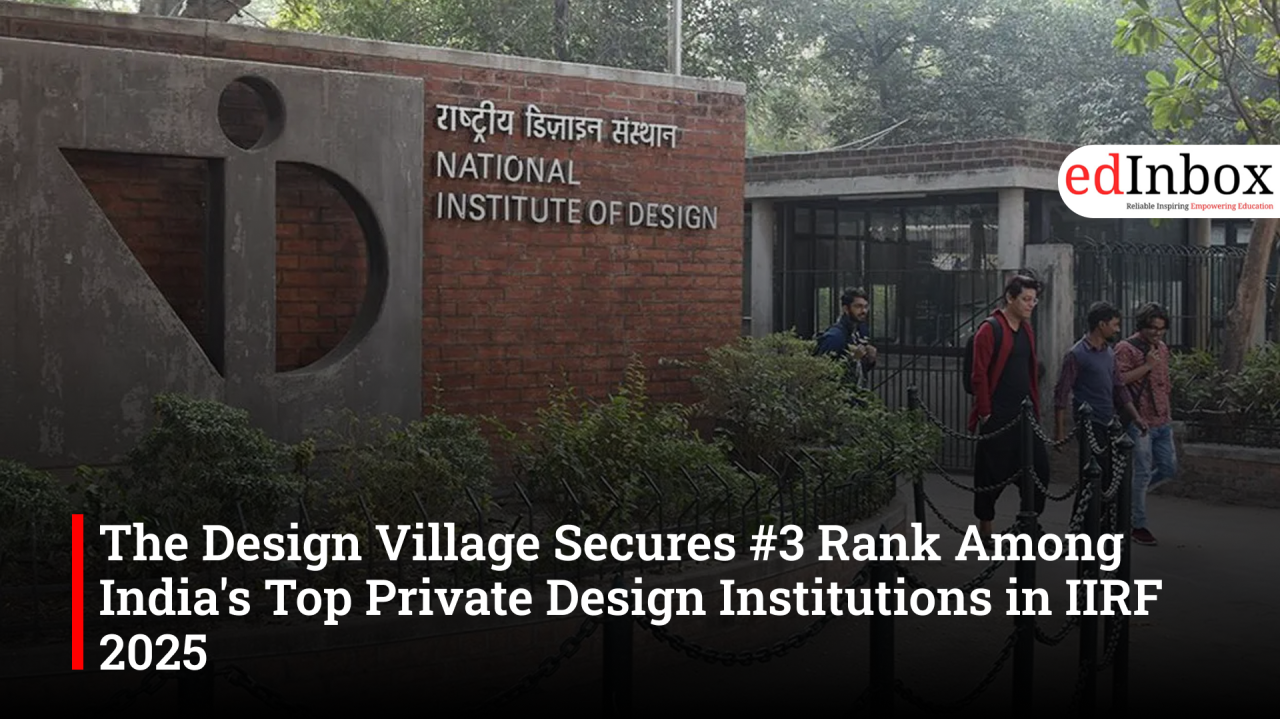
The Design Village (TDV) has earned a stellar #3 position among private design institutions in India, as per the prestigious India Institutional Ranking Framework (IIRF) 2025 rankings. The achievement shows that TDV is emerging as an innovative design education center which students build through their creative work and teachers maintain through their dedicated efforts.

The ranking reflects the collective efforts of TDV's vibrant community.Students who challenge norms, faculty who mentor with passion, and staff who foster collaboration have built an environment where late-night brainstorming and studio debates spark real-world impact. The institution shared the amazing news saying, "This belongs to every member of the TDV family who dared to think differently."

What Makes The Design Village Stand Out 

The Design Village uses a curriculum which requires students to gain practical experience while they develop their creative abilities through product design and communication design and fashion design programs. IIRF 2025 ranks The Design Village at #3 because TDV provides training which matches industry requirements and creates a positive learning environment. The recognition comes at a time when Indian designers have become essential to the expanding creative sector which proves the need for skilled designers.

The success of The Design Village demonstrates to emerging designers that they should expect successful career outcomes. The institution's focus on curiosity-driven innovation enables graduates to secure employment at leading companies. The rankings evaluate factors like teaching quality, research output, and placement records, placing TDV ahead of many peers.

The milestone drives TDV to pursue its highest potential. The Design Village helps provide actual training to future creators while India advances its design development through Design in India initiatives. Visitors can find information about admissions and programs on the official site and Instagram page of TDV.
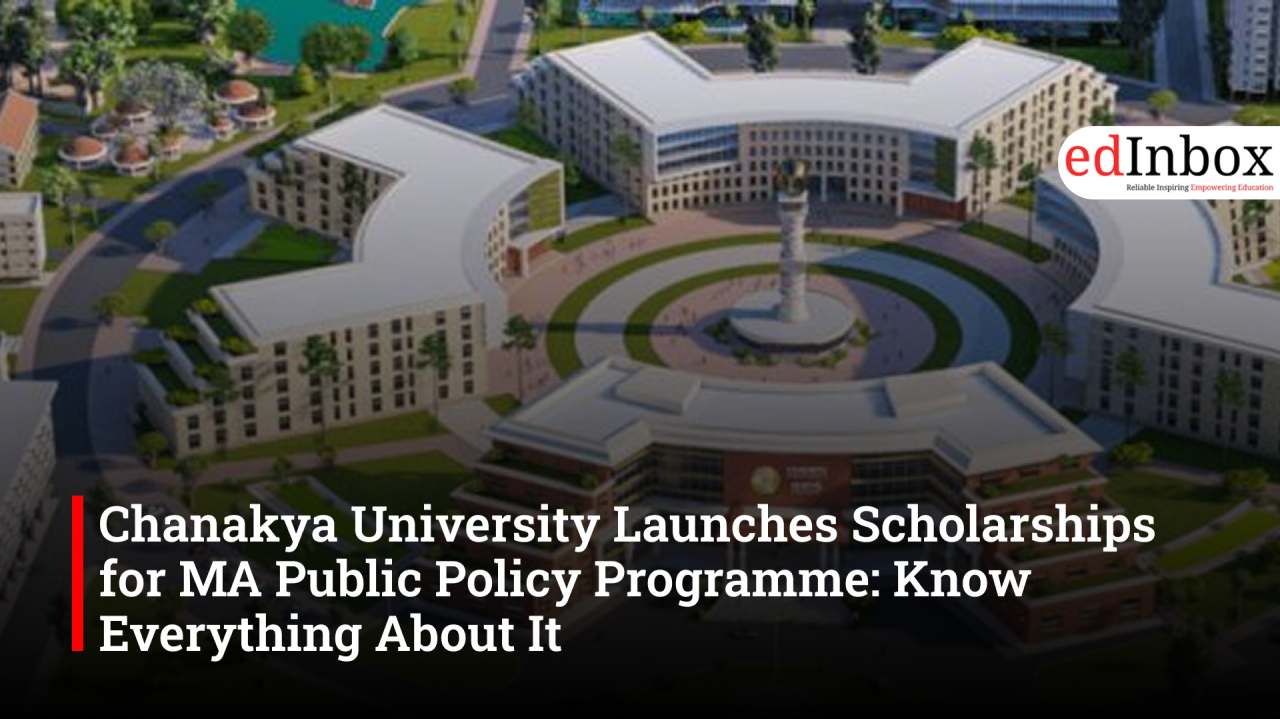
Chanakya University provides financial assistance through its MA Public Policy program scholarships to help students who need financial assistance to study. The awards honor merit and diversity while recognizing potential, which enables students to pursue an interdisciplinary Master's degree that emphasizes practical training.

The university located in Bengaluru offers three scholarship options for the program.

  • Merit-Based Scholarships: For academic excellence and outstanding performance.
  • Need-Based Scholarships: For students requiring financial support to pursue their studies.
  • Diversity Scholarships: To encourage representation from varied social, regional, and educational backgrounds.

The initiative responds to the increasing need for qualified policy experts who can support Atmanirbhar Bharat and Sustainable Development Goals initiatives. The program has demonstrated its ability to develop public policy professionals who secure high-level positions in top organizations according to past Chanakya scholars who achieved this outcome.

Your dreams should remain unfulfilled because of financial difficulties. The application process has opened now, and early applicants will receive the highest probability of success. Students who want to apply for MA Public Policy scholarships at Chanakya University can visit the campus to check their eligibility and access complete program information.

The affordable MA Public Policy program in Bengaluru presents an opportunity that you should not overlook. All talented students from Karnataka, Rajasthan, and other regions should submit their applications now to enter a policy innovation program.

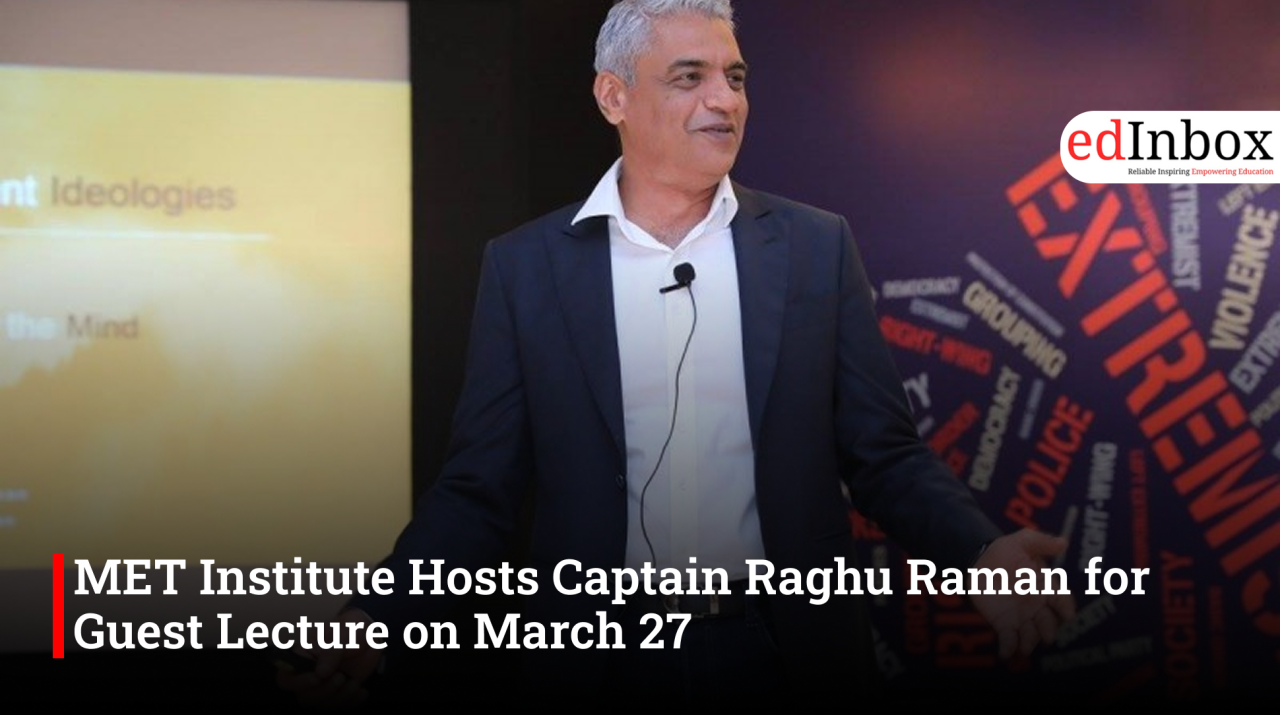
MET Institute of Mass Media welcomed Captain Raghu Raman, Indian Army veteran and corporate leader, for an inspiring session on 27 March 2026. The distinguished speaker shared insights from commanding at Siachen Glacier, UN peacekeeping in Angola, corporate strategy at Mahindra Group, and leading a post-2008 Mumbai attacks national security initiative.

Captain Raman recounted commanding posts at the high-altitude Siachen Glacier and serving as a UN peacekeeper in Angola, before transitioning to corporate leadership with the Mahindra Group. His greatest contribution was made after the 2008 Mumbai attacks where he spearheaded a historic Government of India initiative dedicated to national security innovation. These practical experiences gave mass communication students a different experience of leadership in various high-stakes settings.

The highly interactive session, facilitated by faculty members Simon and Vrinda, featured Captain Raman unveiling an exciting project vision. The  students of MET's in-house agency, MET Media Collective, were invited to provide treatment notes, combining classroom learning with real application in a real-life government-related project.

The best lesson that stood out was the counselling of students by Captain Raman: match personal strengths, interests, and specialisations to meaningful work that is not limited to traditional career paths. His stress on the importance of strategic thinking, flexibility, and making decisions based on the purpose made a permanent impression on the audience.

Hosted by MET Institute of Mass Media, the session was an example of the organisational desire to expose the students to industry leaders who are an epitome of cross-sector excellence. The experience of Captain Raman as a battlefield commander to national policy innovator highlighted the skills that can be transferred to the contemporary media practitioners in the complicated communication environments.

The event solidified the position of MET Media Collective as a place of practical student projects, placing participants at the nexus between media education and practical influence. Students were inspired to think strategically and purposefully in their careers and were willing to use the lessons of one of the most versatile leaders in India. 

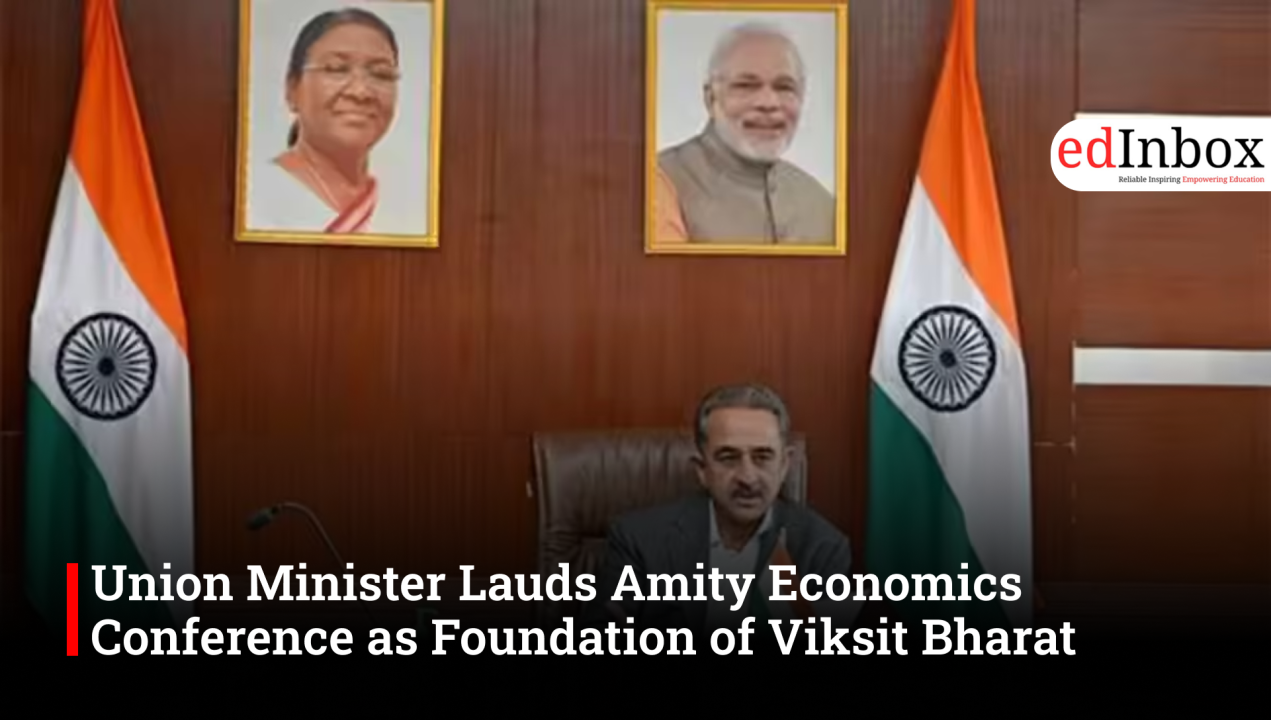
The 9th National Conference held by the Economics department of Amity University was attended by Shri Harsh Malhotra, Minister of State in Road Transport and Corporate Affairs, who called this Economics Conference as one of the pillars to the vision of Viksit Bharat .

The two-day conference invited undergraduate, postgraduate, and PhD students to discuss how the indigenous knowledge systems can be used to promote sustainable development and enhance the economic future of India. In addressing the students, the Minister emphasised the importance of young researchers in ensuring that India, which is now the 4th largest economy in the world, is soon positioned to take the 3rd place in the world.

The conference aimed at fusing the traditional Indian knowledge into modern economic issues, including such aspects as sustainable resource management, rural innovation and culturally-based development models. Research papers were presented and discussions were held between the participants that linked the academic theory to national priorities.

The presence of Shri Malhotra highlighted the role of student-led academic initiatives as important in the growth path of India by the government. The event featured Amity Economics students interacting with policymakers on issues that are directly related to the Viksit Bharat vision that seeks to make India a developed country by 2047.

The conference included academic talks, panel discussions, and networking in more than two days, connecting academia to policy implementation. The involvement of the Minister is an indicator of increased partnership between institutions of higher learning and the leadership of the country in areas of economic and sustainability.

Amity University also makes its Economics programmes a research platform that is in line with the economic aspirations of India and this conference is just one of the examples of how the students can contribute to the national discourse.

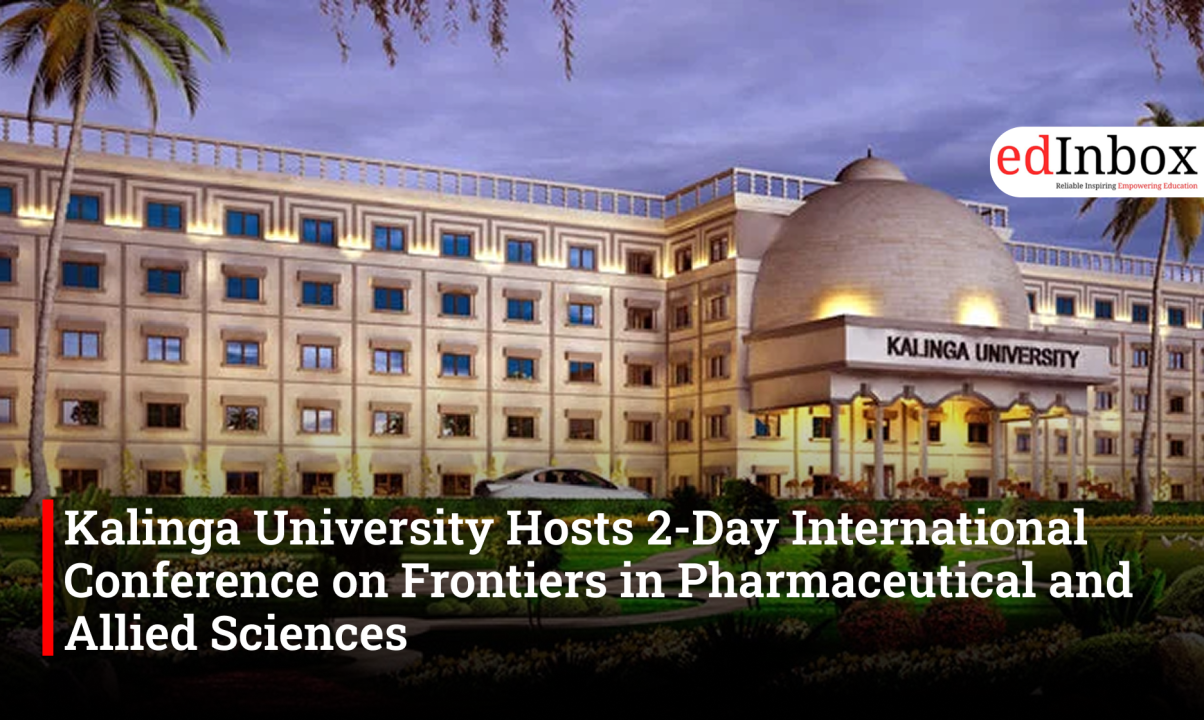
Kalinga University recently hosted a two-day International Conference on the topic of ‘Frontiers in Pharmaceutical and Allied Sciences: Translating Innovation into Impact to Sustainable and Equitable Healthcare’, which saw the presence of both experts and young scholars to discuss the ways in which state of the art research can help shape the future of health care around the world. The event centred on how pharmaceutical sciences can leave the labs to tackle real-life issues of access, sustainability and patient-centric care.

Scholars, researchers, practitioners, healthcare professionals and students were present at the conference, which provided a venue to discuss the latest developments, issues and innovations in pharmaceutical and related sciences across disciplines. During the two-day student talks and discussions, the students were encouraged to think of pharmacy not only as a set of formulas and lab protocols, but as a vital aspect of sustainability and social equality in healthcare provision on a global scale.

The Chief Guest Mr. B. R. Sahu, Additional Drug Controller and Regulatory Officer, State Food and Drug Administration, Naya Raipur provided information about the significance of research, innovation and regulatory excellence in enhancing pharmaceutical sciences and providing safe, effective and quality-assured healthcare. 

Special Guest Prof. (Dr.) Manju Singh Pt. Institute of Pharmacy. Ravishankar Shukla University, Raipur, also emphasised new fields like AI-based precision medicine, gene therapy and intelligent drug delivery systems, and how they can help deliver better patient results.

To the involved students of Kalinga University, the conference was a way of linking theory with practice in the pharmaceutical industry. Through their interaction with professionals and exposure to the trends around the world, students were able to offer insights that transcend textbooks and can equip them to play a role in a changing healthcare ecosystem. 

The university emphasised that these international academic interactions are to prepare its graduates with the knowledge, confidence and perspective that they would make a significant contribution to the future of pharmaceutical and allied sciences.

Dehradun has a new type of post office, and it is not the typical government office with long queues and heaps of paperwork. Uttaranchal University has introduced a Gen Z friendly post office at the very heart of Dehradun campus that provides students with a sleek, user-friendly environment that is more of a coffee shop than a government office.

The new Gen Z Post Office provides nearly all basic postal and banking services under a single roof without students having to move out of campus. Opening bank accounts, updating Aadhaar, ensuring, sending and receiving parcels, dispatching documents, and cash withdrawal, can now be done in one visit.

The space is simple, clean and modern in design and feel, which is how the young students of today prefer to spend their time. Rather than lengthy queues and puzzling documents, speed, clarity and convenience are the words of the day, and that is why students and employees at Uttaranchal University are terming it a total game-changer.

This is good news to students who no longer have to hurry out of campus to get Aadhaar updates, do banking, or submit documents. They can now do everything they require within the university and save time and effort. In the case of the university, it is a move towards becoming a more self-sustaining student friendly campus that can help students in their day to day activities other than education.

This initiative is the first Gen Z friendly post office in Dehradun and is a demonstration of how traditional services could be updated, simplified, and student-focused, particularly in a city with numerous universities and young students.

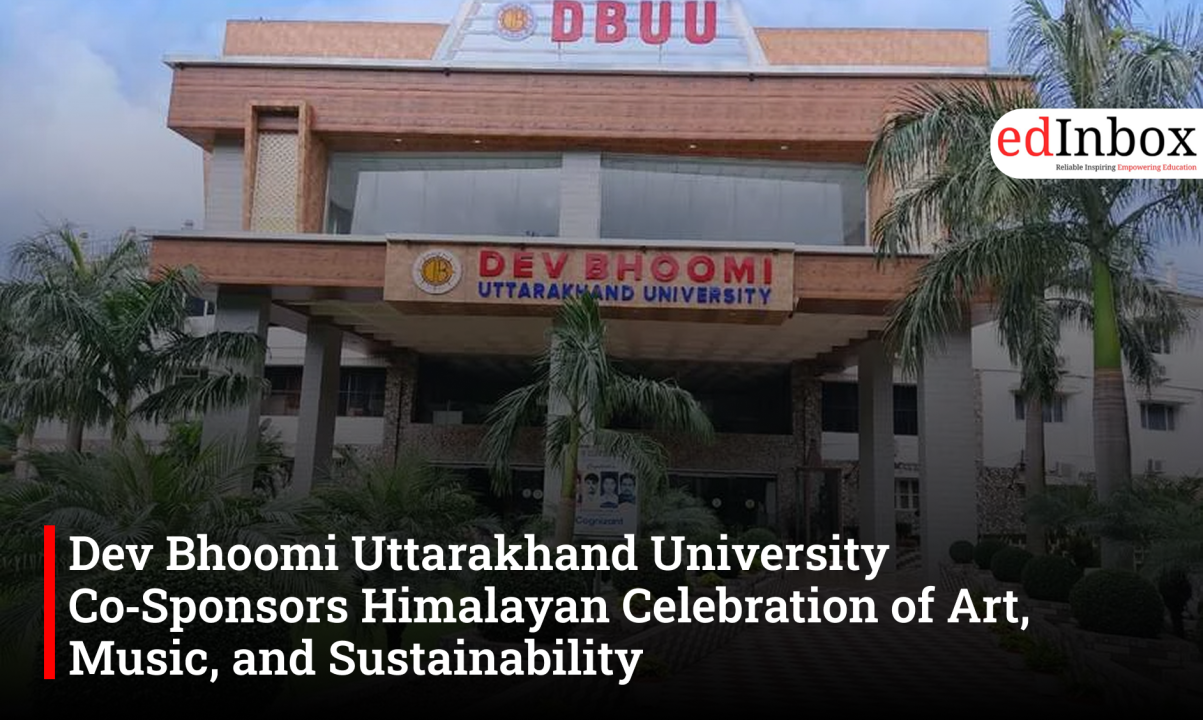
Dev Bhoomi Uttarakhand University (DBUU) participated as a co‑sponsor of the Kaphal Festival 2026, a community‑driven cultural event held in the Himalayan region of Uttarakhand. The festival was held as an event to celebrate local traditions, folk art, music, and the life of the community as a way of linking people to the cultural origins of the region as opposed to commercial tourism.

The Kaphal Festival featured performances by local artists, including traditional folk groups such as Pandavaas, who are known for their storytelling‑based music and devotional performances. The programme also featured regional dances, local songs and handcrafted art displays and gave the visitors a glimpse of the daily culture of people in rural Uttarakhand. The event was organised in an open and outdoor environment, as the organisers described the festival as being simple, low-impact and community-oriented.

The university has shared a warm post of pride telling that DBUU was a co-sponsor which results its efforts to promote local culture, community involvement, and region-based programmes. The university emphasised that its involvement was to facilitate the involvement of youths, support local talent and enhance the connection between formal education and on-ground cultural experiences. According to DBUU officials, such events align with the institution’s focus on social responsibility and community based development.

The Kaphal Festival organisers claimed that the event was not meant to be a large-scale commercial tourism venture, but instead a place where the local residents, artists and students could gather and enjoy and experience culture in a low-profile, casual atmosphere. The focus was on the utilisation of local resources, the invitation of local participants, and location of the event near village and community life.

DBUU concluded that its association with the Kaphal Festival 2026 is one of several steps the university is taking to support local communities, cultural preservation, and region‑based learning experiences. The festival is packaged as a cultural programme as opposed to a media-focused or commercial event, and the aim is to maintain traditional practices and involvement of the community over the long run. 

More Articles ...