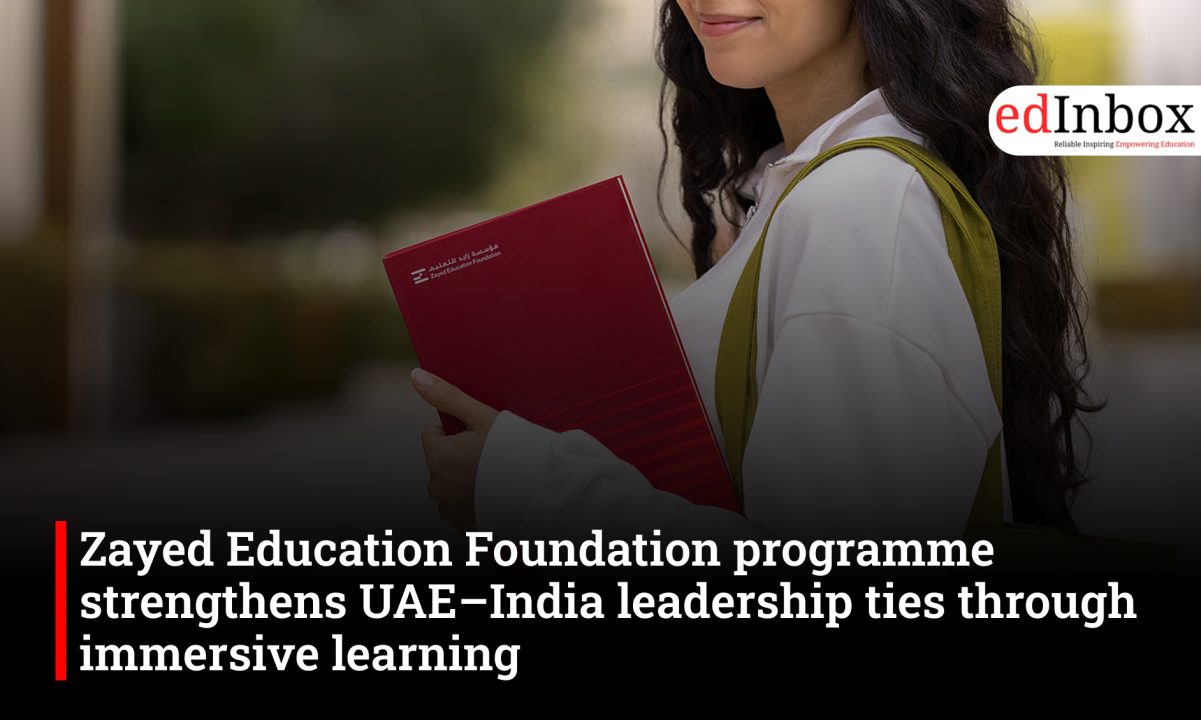
The Zayed Education Foundation has concluded a major international leadership initiative aimed at strengthening long-term collaboration between the United Arab Emirates and India, with 60 Emirati professionals and university students returning from immersive learning journeys across India to develop policy and innovation-focused capstone projects.

The UAE–India Leaders Program, designed to nurture globally minded and purpose-driven leaders, seeks to deepen understanding between the two nations through experiential learning, cross-cultural engagement, and strategic collaboration across sectors shaping the future of both countries.

Participants were divided into three cohorts of 20, each focusing on a specific theme — international relations; science, technology and sustainability; and arts, culture and architecture. The programme combined field visits, academic interaction, policy discussions, and dialogue with experts from government, industry, civil society, and cultural institutions.

During the initiative, participants travelled to major Indian cities including New Delhi, Mumbai, Jaipur, and Bangalore. The group engaged with leading institutions such as Indian Institute of Technology, Indian Institute of Management Bangalore, and the Bombay Stock Exchange.

The participants also explored India’s cultural and historical landscape through visits to the Jaipur Literature Festival, Taj Mahal, and local marketplaces, gaining broader exposure to India’s social and cultural diversity.

As part of the diplomatic engagement component, the Emirati delegation met representatives from the UAE Embassy in New Delhi and the UAE Consulate General in Mumbai, reinforcing the programme’s emphasis on international dialogue and people-to-people connections.

According to the foundation, participants developed a deeper understanding of India’s political, economic, and cultural landscape while also building professional networks and long-term collaborative relationships.

A spokesperson from the Zayed Education Foundation said the initiative combines immersive learning with practical outcomes through strategic capstone projects designed to address real-world challenges and strengthen bilateral cooperation.

The projects, currently being developed by participants after returning to the UAE, are expected to focus on areas such as innovation, public policy, cultural exchange, sustainability, and economic collaboration, aligned with the UAE’s broader international partnership goals.

Abdulnasser Jamal Alshaali described the programme as a reflection of the “depth and ambition” of the growing UAE–India partnership. He noted that the participants’ engagement across diplomacy, science, technology, and culture positioned them to contribute meaningfully to future collaboration between the two nations.

Education and diplomacy experts say programmes based on immersive international exposure are increasingly becoming important tools for leadership development, particularly as countries seek stronger educational, cultural, and innovation partnerships in an interconnected global environment.
A new global report on higher education has highlighted how technological disruption, demographic shifts, geopolitical tensions, and the long-term effects of the COVID-19 pandemic are rapidly reshaping universities and tertiary education systems worldwide. Titled Higher Education Global Trends Report: Towards Inclusive, Equitable and Quality Higher Education in an Internationally Mobile Landscape, the study calls for stronger international cooperation and policy reforms to build more inclusive, resilient, and future-ready higher education systems.

The report, developed by UNESCO International Institute for Higher Education in Latin America and the Caribbean (UNESCO-IESALC), examines major global trends affecting higher education across 146 countries. Drawing data from UNESCO-IESALC’s Higher Education Policy Observatory along with extensive policy research, the report aims to support governments, institutions, and policymakers in understanding the evolving challenges shaping tertiary education worldwide.

According to the report, higher education has reached a critical turning point as institutions struggle to adapt to rapid digital transformation, artificial intelligence, shifting labour market demands, and growing inequalities in educational access. The study notes that while enrolment in higher education has expanded globally, disparities linked to geography, income, gender, migration status, and digital access continue to affect millions of learners.

The report is divided into two major sections. The first explores the structural dimensions of higher education, including participation and completion rates, governance systems, financing models, quality assurance mechanisms, legislative frameworks, digital transformation, AI integration, and the role of academic staff.

A major focus is placed on the increasing digitalisation of higher education. Researchers argue that while digital technologies and AI are transforming teaching, assessment, and research, they also risk deepening inequality if access to technology and digital literacy remains uneven across countries and communities.

The second part of the report focuses on international student mobility and cross-border education. It examines global inbound and outbound mobility patterns, challenges surrounding the recognition of foreign qualifications, and the educational inclusion of refugees and displaced populations.

The report stresses that internationally mobile students, refugees, and displaced learners often face administrative, financial, linguistic, and legal barriers that restrict access to higher education opportunities. Experts argue that recognition of qualifications and more flexible education systems are becoming increasingly important in a world marked by migration and displacement crises.

Researchers also warn that higher education systems must become more adaptive and collaborative to respond to future global disruptions. The report calls for stronger public investment, equitable digital infrastructure, inclusive policymaking, and improved international cooperation to ensure that universities remain accessible and socially relevant.

By identifying long-term systemic trends rather than isolated statistics, the report aims to encourage dialogue among governments, universities, and global education stakeholders on how to make higher education more equitable, internationally connected, and resilient in the years ahead.

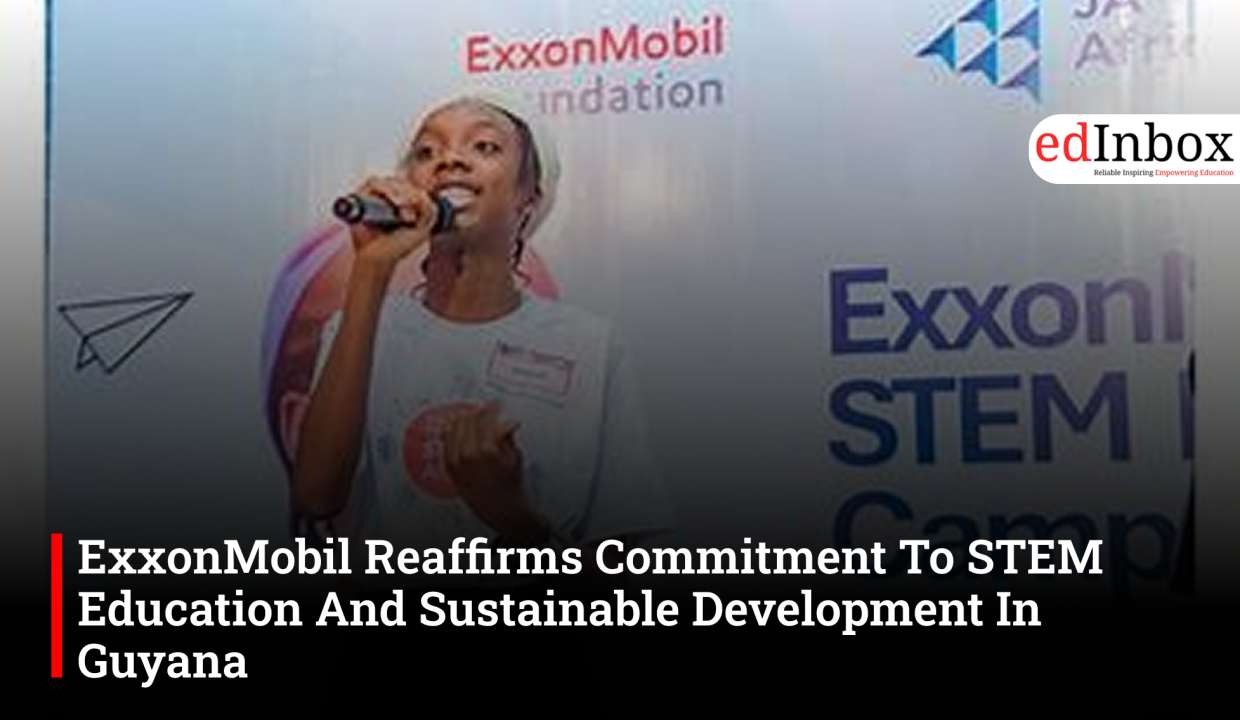
ExxonMobil has reiterated its commitment to supporting sustainable development and strengthening STEM education in Guyana through a series of partnerships and long-term initiatives.

Speaking at Tuschen Secondary School on Friday, Alistair Routledge said the company, together with co-venturers Hess Corporation and CNOOC Guyana, continues to invest in programmes aimed at creating sustainable and lasting developmental impact across the country.

Routledge explained that ExxonMobil Guyana has been collaborating with organizations such as Recover Guyana and the Ministry of Education through initiatives including Project FLOW, which focuses on improving access to clean drinking water in schools while reducing plastic waste.

According to Routledge, the company is also working closely with the education ministry to expand science, technology, engineering, and mathematics (STEM) learning opportunities nationwide. This includes teacher training programmes designed to help educators deliver more practical and engaging STEM instruction in classrooms.

Earlier this year, ExxonMobil launched the Guyana STEM initiative, described as a major investment aimed at strengthening STEM education from the primary school level through tertiary education.

Routledge noted that the initiative will support the establishment of a dedicated STEM centre at University of Guyana, envisioned as a hub for STEM development, educator support, and ongoing scientific learning across the country.

“We’re super excited to advance that project in parallel with the Greater Guyana Initiative to bring enhancements to the education system for science, technology, engineering and math,” Routledge said during his address.

As part of the programme, STEM kits are already being distributed to schools throughout Guyana to encourage hands-on learning and improve student engagement in science and technology subjects.

The remarks came during the commissioning ceremony of the FLOW water purification system at Tuschen Secondary School, a project aimed at promoting clean water access and environmental sustainability within schools.

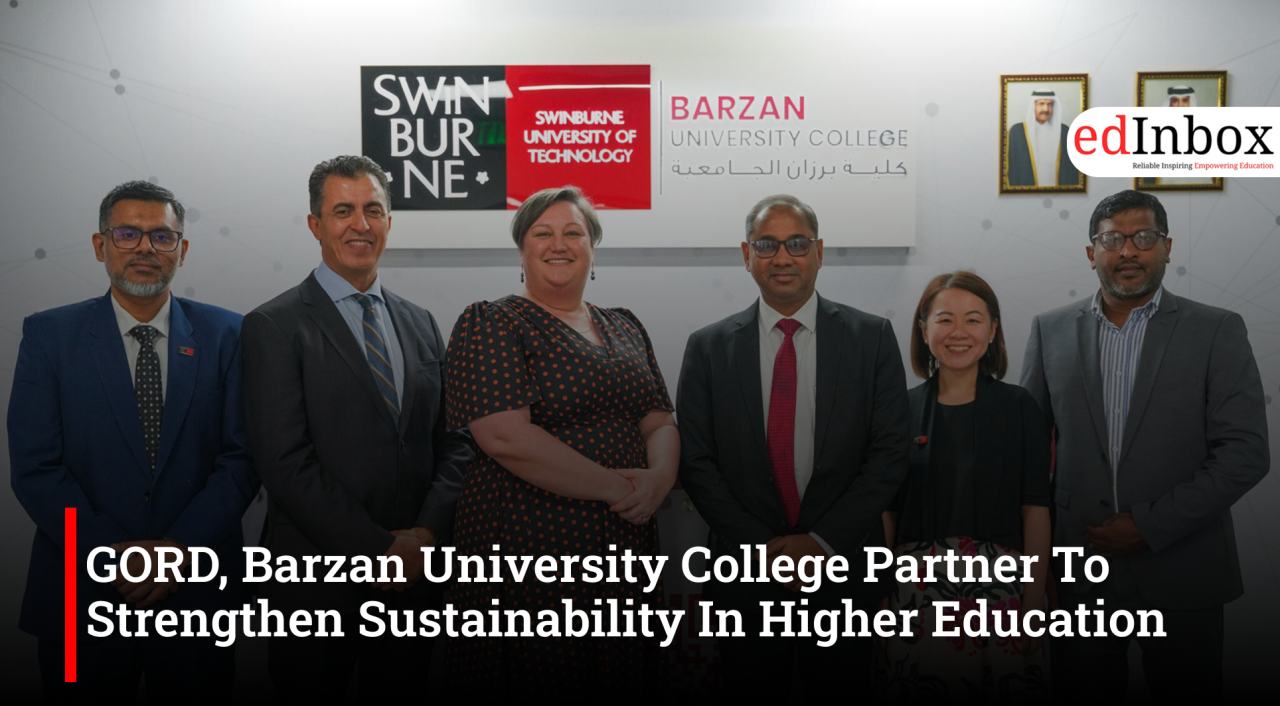
Gulf Organisation for Research and Development (GORD) has signed a Memorandum of Understanding (MoU) with Barzan University College (BUC), a leading higher education institution in Qatar affiliated with Swinburne University of Technology, to advance sustainability practices, research, and capacity building within the academic sector.

The agreement was signed during a ceremony held at the BUC campus in Doha by GORD Founding Chairman Yousef Alhorr and BUC Vice Chairman Hassan Rashid Al Derham.

The partnership reflects a shared commitment to the goals of the Qatar National Vision 2030 and the United Nations Sustainable Development Goals (SDGs) by embedding sustainability into Qatar’s higher education ecosystem and preparing future leaders to address global environmental challenges.

Speaking about the collaboration, Dr. Yousef Alhorr emphasized the important role universities play in building sustainable societies through education, operational leadership, and community engagement.

“Universities and higher education institutions play a vital role in shaping sustainable societies, not only through academic excellence but also through operational leadership and community engagement. By collaborating with Barzan University College, GORD aims to cultivate a culture of environmental responsibility that starts within the learning environment,” he said.

He added that the partnership is intended to enhance BUC’s sustainability performance, strengthen environmental, social, and governance (ESG) awareness, and encourage innovation aligned with Qatar National Vision 2030.

Dr. Hassan Rashid Al Derham stated that the collaboration with GORD would help Barzan University College further integrate sustainability into its academic environment and institutional practices.

“Sustainability is not only a core value that shapes our vision and academic environment at Barzan University College, but also a lens for innovation and a pathway to flourishing that we embed in all our teaching and training for our students,” he said.

He further noted that GORD’s international expertise would enable the institution to adopt globally recognized sustainability standards and accelerate its long-term sustainability mission.

Under the terms of the MoU, GORD will work closely with BUC to explore the implementation of the Global Sustainability Assessment System (GSAS) standards across the college’s facilities. The collaboration is also expected to support sustainability-focused research initiatives, knowledge-sharing activities, and educational programs aimed at promoting environmentally responsible practices within the academic sector.

The partnership highlights the growing emphasis on sustainability-driven higher education in the Gulf region, where universities are increasingly aligning academic development with climate action and sustainable growth objectives.

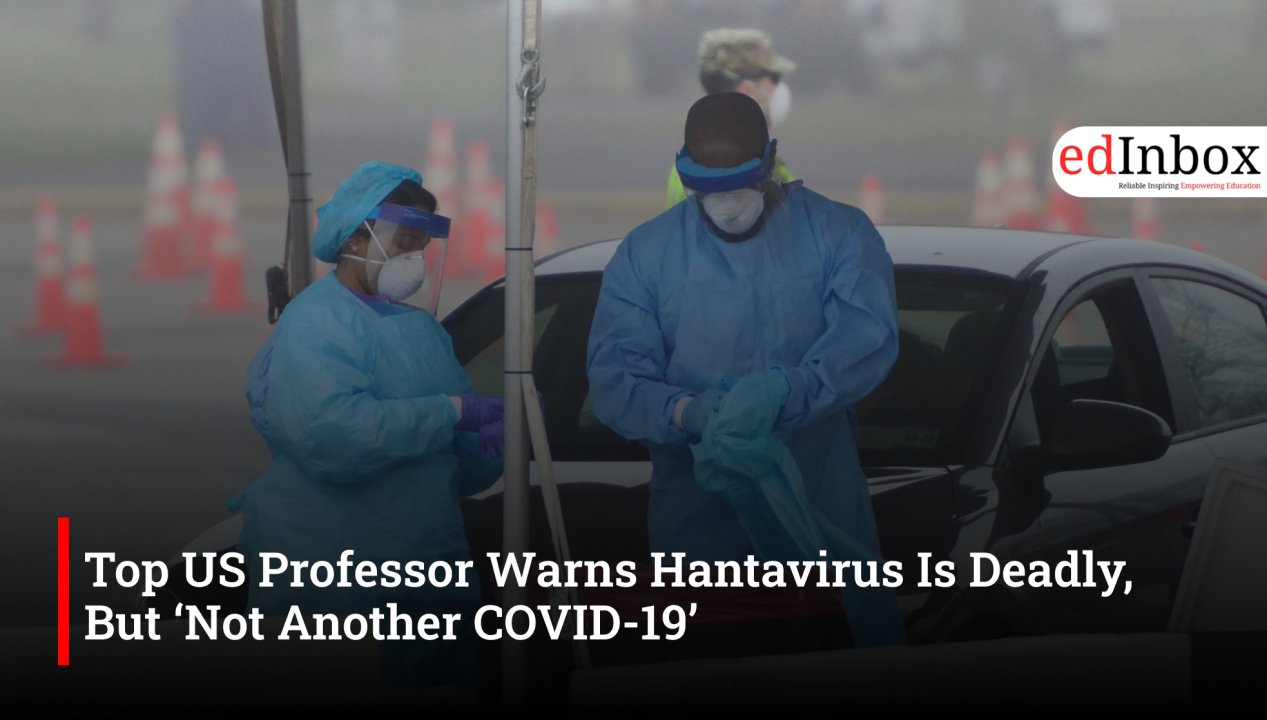
As global discussions around hantavirus continue to grow online, health experts are urging people to understand the science behind the virus without triggering unnecessary panic. One of the latest voices joining the conversation is Sagan Friant, an assistant professor of anthropology at Pennsylvania State University, who described hantavirus as “a very deadly disease” but stressed that it is not comparable to COVID-19 in the way it spreads.

Friant explained that some hantavirus strains found in the Americas can have fatality rates reaching up to 50 per cent. “About half of the people who get infected could potentially die,” she noted, while clarifying that this represents the higher end of the mortality range. Even so, the fatality risk remains significantly higher than that associated with many common respiratory infections.

What Is Hantavirus?

Hantaviruses are a group of rodent-borne viruses found across different regions of the world. Humans are typically infected through exposure to infected rodent urine, droppings, or saliva.

According to Friant, different strains affect the body differently depending on geography. Hantaviruses found in parts of Europe and Asia generally affect the kidneys, while strains detected in the Americas — including the Andes virus and Sin Nombre virus — primarily attack the lungs and can lead to severe respiratory illness.

The respiratory form of the disease, known as Hantavirus Pulmonary Syndrome (HPS), can rapidly become life-threatening if not treated early.

Why Scientists Are Watching The Andes Virus Closely

What has drawn particular scientific attention is the behaviour of one strain known as the Andes virus. Unlike most hantaviruses, which generally spread only from rodents to humans, the Andes strain has shown rare evidence of human-to-human transmission.

Friant explained that humans are usually considered a “dead-end host,” meaning the virus typically does not continue spreading once a person is infected. However, the Andes virus is considered a rare exception.

“That is what makes this different from what we have seen before,” she said while discussing recent concerns surrounding possible transmission in close-contact settings.

According to Friant, a reported outbreak linked to a cruise ship raised concerns because passengers were living in prolonged close proximity — an environment that may have allowed sustained transmission.

“We never expected for a hantavirus to get on a cruise ship,” she said, adding that the virus is not believed to spread casually through brief interactions like COVID-19 or influenza.

Long Incubation Period Increasing Anxiety

Another factor contributing to public concern is the virus’s unusually long incubation period.

Friant explained that while many respiratory infections show symptoms within a few days, hantavirus symptoms can take anywhere from one to eight weeks to appear after exposure.

“That means these people need to be monitored for about two months,” she said.

The extended waiting period can create emotional stress for individuals who fear exposure, while also making it more difficult for public health officials to track and contain potential outbreaks.

However, Friant emphasised that infected individuals are generally not believed to transmit the virus unless they are actively symptomatic.

Why Experts Say This Is Not Another Pandemic

As comparisons with the early days of COVID-19 spread across social media, experts are cautioning against drawing direct parallels.

Friant stressed that hantavirus behaves very differently from highly contagious respiratory viruses such as SARS-CoV-2. The virus typically requires prolonged and close exposure for transmission, particularly in the rare cases involving the Andes strain.

Scientists continue to monitor outbreaks carefully, especially in regions where rodent exposure is common. However, experts say the current evidence does not suggest a rapidly spreading global pandemic scenario similar to COVID-19.

Instead, public health messaging remains focused on awareness, rodent control, early diagnosis, and reducing unnecessary fear while continuing scientific monitoring of rare transmission events.

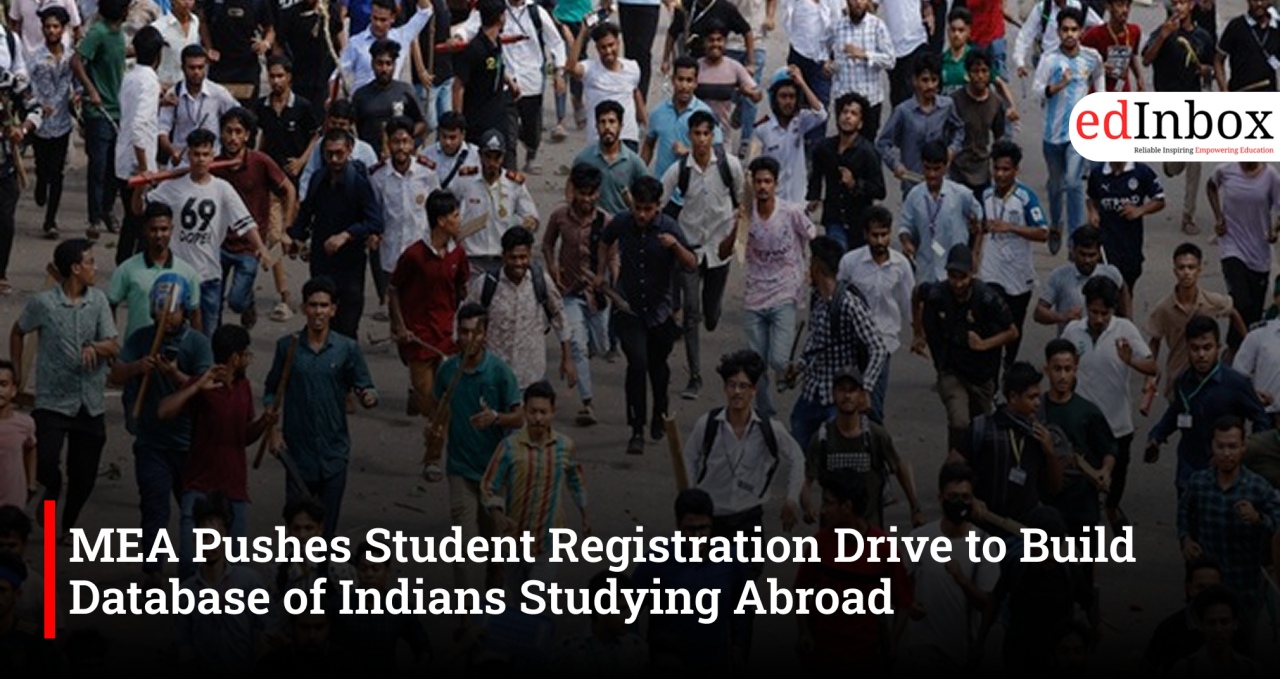
In a bid to strengthen emergency response mechanisms for Indians overseas, the Ministry of External Affairs (MEA) has launched a fresh awareness campaign urging students studying abroad to register with Indian embassies and high commissions.

The move follows recent global conflicts, including the Russia-Ukraine war and tensions in West Asia, during which Indian missions faced difficulties tracking and assisting large numbers of students during evacuation operations. Officials said the absence of a centralised database has emerged as a major challenge as more Indians pursue higher education overseas.

India is estimated to have over one million students studying abroad, but the government currently relies largely on visa statistics released by foreign countries and estimates compiled by missions abroad. Sources said the MEA is now planning to either overhaul the existing MADAD consular portal or launch a dedicated platform for Indians travelling overseas for education and employment.

The registration drive is focused on countries hosting large Indian student populations, including the United States, Canada, Germany, China and Malaysia, along with emerging destinations for affordable medical education such as Georgia, Kyrgyzstan and Uzbekistan.

Officials said a detailed database would help Indian missions coordinate rescue and evacuation efforts more effectively during conflicts or emergencies. It would also assist embassies in addressing issues commonly faced by students abroad, including visa documentation, local laws, cultural adaptation and legal troubles.

In Georgia, where nearly 23,000 Indians — mostly medical students — are estimated to reside, the Indian embassy has intensified outreach efforts. India’s Ambassador to Georgia, Amit Mishra, said the mission has been conducting meetings with universities and student groups to encourage registrations and spread awareness.

According to official sources, voluntary registration numbers remain low despite repeated advisories from Indian missions. During recent crises in Iran, Israel and Canada, embassies had specifically urged Indian nationals, including students, to register so authorities could maintain contact and provide support during emergencies.

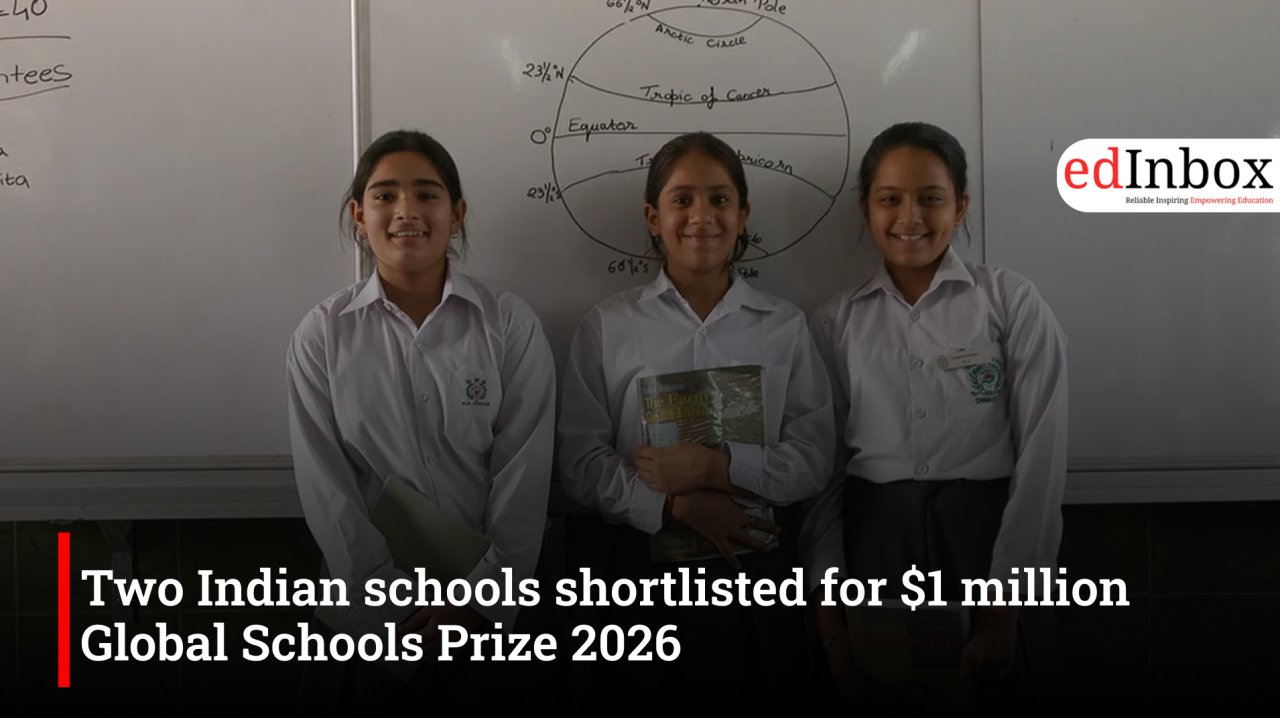
Two Indian schools have secured places among the world’s top 50 shortlisted institutions for the 2026 Global Schools Prize 2026, an international award programme recognising innovative and impactful educational models.

Katha Lab School and Delhi Public School Bangalore North were selected from nearly 3,000 nominations submitted across 113 countries.

The awards are organised by the Varkey Foundation and carry a total prize pool of USD 1 million across multiple categories focused on innovation and educational transformation.

Indian schools are recognised in separate categories

Katha Lab School was shortlisted in the Arts, Culture and Creativity category, while Delhi Public School Bangalore North was selected in the SEND/Inclusive Education category.

According to the organisers, the schools were recognised for developing educational models that address learning access, inclusion, creativity, and student development in distinct ways.

Sunny Varkey congratulated the shortlisted schools and said their work demonstrated how educational institutions can equip students with the skills and values needed in a rapidly changing world.

He added that the initiative aims not only to recognise successful schools but also to encourage global conversations around scalable educational innovation.

Katha Lab School recognised for StoryPedagogy model

Located in the Govindpuri slum cluster in Delhi, Katha Lab School serves children primarily from low-income communities.

The school was founded by Geeta Dharmarajan and is known for developing “StoryPedagogy,” a teaching model that replaces conventional textbooks with story-based learning.

The approach integrates language, mathematics, science, and arts into a unified learning framework designed to make education more engaging and accessible for children.

The Global Schools Prize organisers noted that the school has delivered strong educational outcomes despite operating in economically challenging conditions.

DPS Bangalore North shortlisted for inclusive education

Delhi Public School Bangalore North was shortlisted for its inclusive education practices and student support systems.

The school educates more than 7,000 students and follows the guiding principle of “Service Before Self.” Organisers said the institution demonstrated that academic excellence and inclusive learning environments can coexist effectively.

Its recognition falls under the SEND (Special Educational Needs and Disabilities)/Inclusive Education category.

What happens next

The shortlisted institutions will now compete for category-level awards under 10 themes, including:

  • AI Transformation
  • Arts, Culture and Creativity
  • Character and Values-Driven Education
  • Global Citizenship and Peacebuilding
  • Health and Wellbeing
  • Overcoming Adversity
  • SEND/Inclusive Education
  • STEM Education
  • Sustainability
  • Teacher Development

Ten category winners will each receive USD 50,000, while one overall winner of the Global Schools Prize 2026 will receive USD 500,000 to expand the impact of its educational model.

The winners are expected to be announced later this month during the Education World Forum in London.

More Articles ...